 English
 French
 German
 Russian
 中文
中文

The Terrifying Brilliance of Frankenstein by Mary Shelley
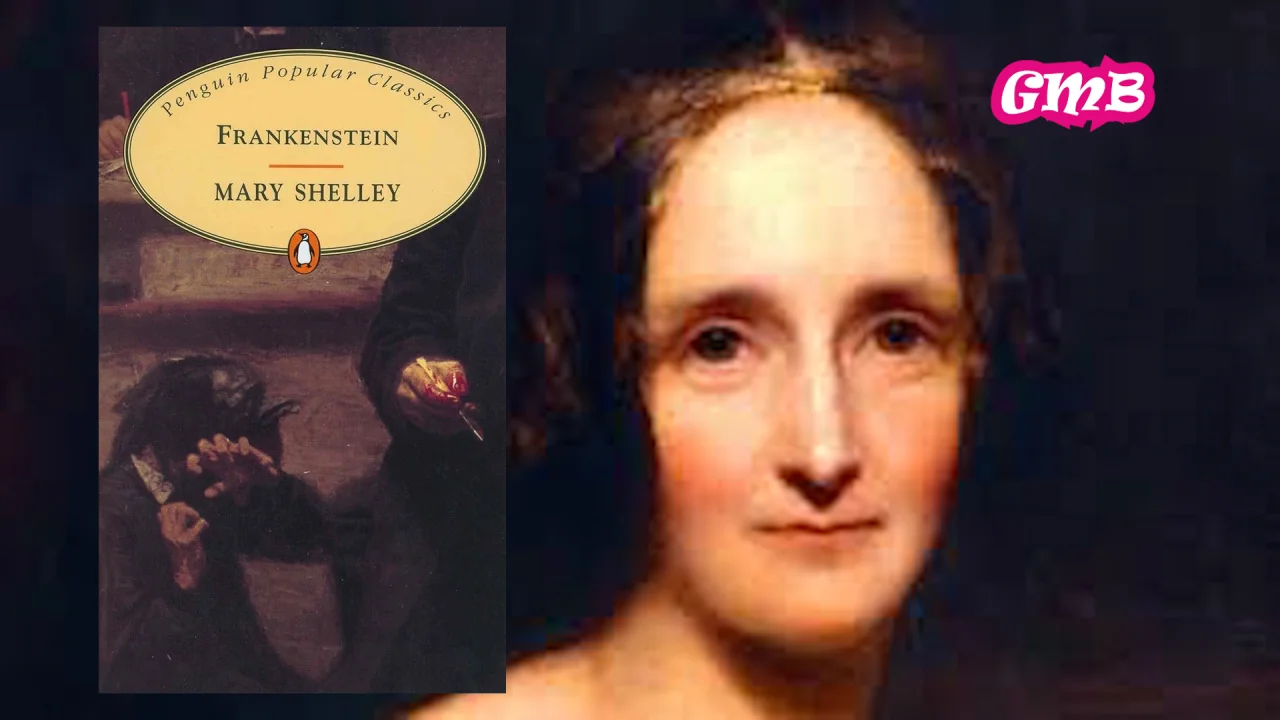
Imagine being in college, far from home, and instead of binge-watching Netflix or posting motivational quotes on Instagram, you decide to create life itself. You skip all the “ordinary” joys—friends, family dinners, sleep—because you’re obsessed with one goal: to become the ultimate creator. Sounds inspiring, right? Well… not exactly. That’s the nightmare that Mary Shelley’s Frankenstein plunges us into.
Written when Shelley was just 18, this dark, haunting story continues to captivate readers over two centuries later. But it’s not just a tale of science gone wrong—it’s a meditation on ambition, responsibility, and the human need for connection.
👉 You can grab your copy here: Frankenstein on Amazon
A Tale of Ambition and Consequences
At its core, Frankenstein tells the story of Victor Frankenstein, a young man who rejects the ordinary pleasures of life for the pursuit of knowledge. Obsessed with the mysteries of science, he studies chemistry, biology, and anatomy with relentless intensity. Victor’s dream? To unlock the ultimate secret of life—and create a human being.
Victor’s obsession consumes him. He isolates himself from family, friends, and society, pouring every waking hour into his secret experiments. And then, finally, his creation comes to life. But the result is terrifying. Instead of a perfect human, Victor brings forth a creature that is grotesque, powerful, and rejected by the very man who gave it life.
Abandoned and alone, the creature evolves from innocence to bitterness. Hurt and angry, he sets off a chain of tragedies that leads to murder, injustice, and despair. Secondary characters, like the innocent Justine Moritz, fall victim to society’s cruelty, highlighting human wickedness and the dangers of mob mentality.
By the end, both creator and creation are left isolated and broken, wandering the world in grief and fury—a chilling reminder that ambition without compassion can have catastrophic consequences.
Why Frankenstein Still Matters
What makes Frankenstein so enduring isn’t just its horror or Gothic atmosphere—it’s the ethical and emotional questions it raises. Mary Shelley warns of the dangers of unchecked ambition and the pursuit of knowledge at the expense of love, family, and morality.
Consider this line from Victor himself:
“Learn from me…how dangerous is the acquirement of knowledge and how much happier that man is who believes his native town to be the world, than he who aspires to become greater than his nature will allow.”
Shelley’s insights feel eerily modern. In an age of CRISPR, cloning, AI, and genetic engineering, we are grappling with the same questions she posed over 200 years ago: How far should humanity go in “playing God”? What are the consequences of creating without responsibility or compassion?
Themes and Analysis
Several key themes run through Frankenstein, making it more than just a Gothic horror story:
-
Unchecked Ambition: Victor’s obsessive pursuit of knowledge shows how passion, when divorced from responsibility, becomes destructive.
-
Creation and Responsibility: The creature embodies what happens when creation is abandoned. Power without empathy leads to disaster.
-
Isolation and Rejection: Both Victor and his creature suffer profoundly due to emotional and social isolation, demonstrating the human need for connection.
-
Moderation vs. Excess: Shelley critiques overindulgence in ambition, contrasting the wisdom of restraint with the danger of obsession.
These themes remain relevant today, reminding us that innovation and progress are only as ethical as the humans behind them.
About the Author
Mary Shelley wrote Frankenstein at the age of 18 during a summer in Switzerland with her future husband, poet Percy Bysshe Shelley, and Lord Byron. Inspired by a ghost story challenge, she crafted a story that would go on to define Gothic literature and the science fiction genre. The genius lies not just in the plot, but in the philosophical depth she packed into a tale of horror and suspense.
👉 Find Mary Shelley’s complete works here: Mary Shelley on Amazon
My Take on Frankenstein
Reading Frankenstein is like staring into a mirror of human ambition. It’s a story that questions whether the pursuit of knowledge is noble or dangerous when it isolates us from love and morality. For me, the book was haunting because it’s not just a story—it’s a warning.
Shelley’s novel resonates today more than ever. Science has brought incredible advances, yet it has also unleashed unprecedented ethical dilemmas. Frankenstein challenges readers to ask: Should we always push boundaries, or is there wisdom in restraint?
Who Should Read This Book
You’ll enjoy Frankenstein if you:
-
Love Gothic literature and classic horror
-
Are fascinated by ethical dilemmas in science and human ambition
-
Enjoy stories that explore emotional and philosophical depth
You might struggle with this book if you:
-
Prefer fast-paced plots over reflective storytelling
-
Need clear-cut heroes and villains
-
Dislike morally complex or tragic endings
👉 Start reading Frankenstein today: Amazon link
Final Thoughts
Frankenstein isn’t just a story about a monster—it’s a story about humanity, ambition, and the consequences of creating without love. Mary Shelley’s warnings echo across centuries, reminding us that knowledge alone is not enough; compassion, responsibility, and connection must guide our pursuits.
If you’ve ever wondered about the cost of ambition or the moral implications of science, this novel is essential reading. It will haunt you, make you think, and perhaps make you pause before taking your own ambitions to the extreme.