 English
 French
 German
 Russian
 中文
中文

My Name Is Red by Orhan Pamuk: A Murder Mystery, a Masterpiece, and a Talking Tree
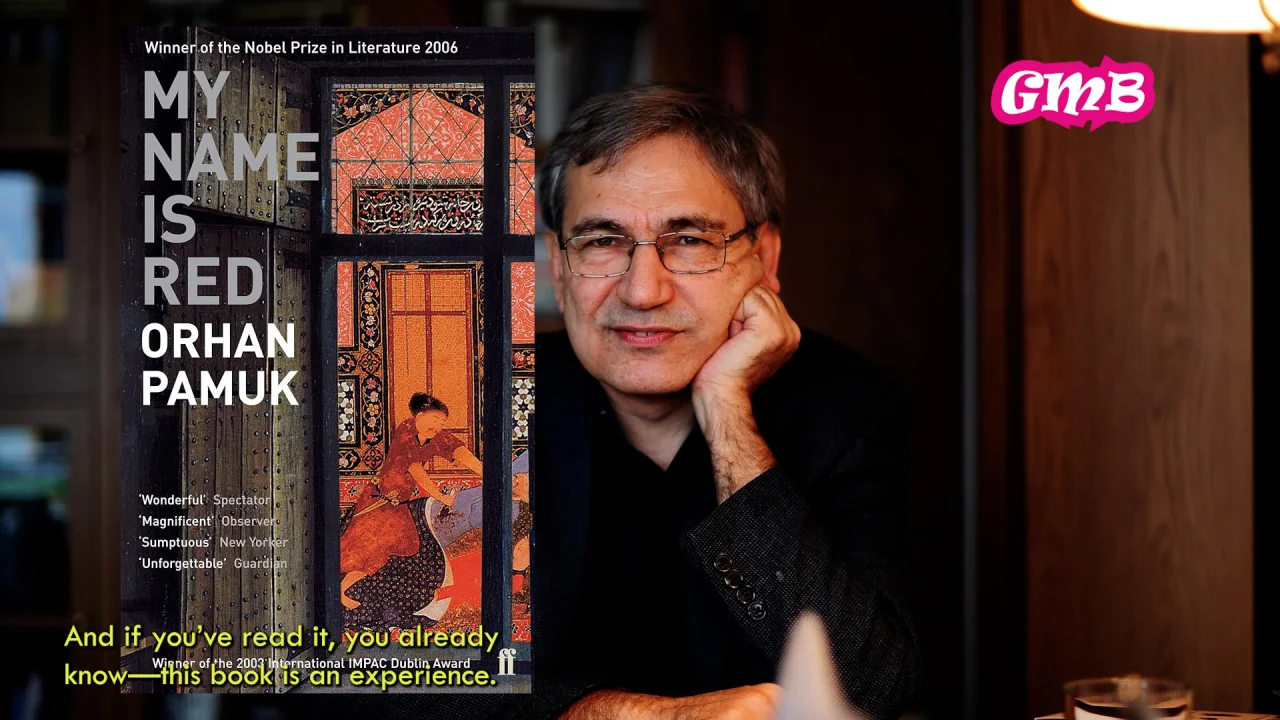
Have you ever imagined dying and then narrating your own murder story? What if the killer, a dog, a tree, and even Death itself got a say in the tale? Sounds wild, right? That’s exactly the journey you embark on with My Name Is Red by Nobel laureate Orhan Pamuk—a novel that doesn’t just break the fourth wall; it obliterates it, hands you a cup of tea, and asks, “So… what do you think?”
I remember the moment I first read it. I paused, blinked, and thought: Is this really happening? The book starts with a murder—but not the ordinary, dark alley kind. The victim himself introduces us to his demise. And as the chapters unfold, nearly every character, object, and concept takes a turn telling their side of the story. Yes, even the coins in someone’s pocket—and a tree with a flair for drama.
What Kind of Novel Is This?
My Name Is Red is a historical fiction novel, infused with philosophical reflection, mystery, and metafictional wit.
-
Tone: Reflective, playful, occasionally dark
-
Pace: Moderate; the story encourages lingering and observation
-
Themes: Art, identity, faith, tradition vs. modernity, love, mortality
This book is perfect for readers who:
-
Love historical fiction with rich cultural depth
-
Enjoy philosophical musings embedded in narrative
-
Appreciate innovative storytelling
It’s NOT ideal for readers who:
-
Prefer fast-paced, plot-driven thrillers
-
Need clearly defined heroes and villains
-
Don’t enjoy open-ended philosophical questions
👉 Check the edition I read here on Amazon.
A Story About Art, Murder, and Meaning
The novel is set during the height of the Ottoman Empire, a period of opulent robes, delicate manuscripts, and heated debates about art. Miniaturists—artists who painted intricate illustrations for manuscripts—are at the center of the story. These artists see their craft as sacred, a reflection of God’s vision, not individual expression.
Enter Europe’s new obsession: realism. Suddenly, art begins mimicking life with startling accuracy. For Ottoman miniaturists, this is almost blasphemy. And while cultural tensions brew, a murder shakes their world.
But this isn’t a simple whodunit. The murder mystery intersects with debates about:
-
East vs. West
-
Tradition vs. innovation
-
Community vs. individuality
Love, jealousy, greed, and pride fuel the human side of the story, while even the non-human narrators—the tree, the dog, Death—provide commentary on life, mortality, and the meaning of art.
One tree even declares:
“I thank Allah that I, the humble tree before you, have not been drawn with such intent. And not because I fear that if I'd been thus depicted all the dogs in Istanbul would assume I was a real tree and piss on me: I don't want to be a tree, I want to be its meaning.”
This line alone captures the essence of Pamuk’s novel: it’s about meaning—not merely identity, not just life, and certainly not just a painting.
Why This Story Matters
Reading My Name Is Red isn’t effortless. It asks you to slow down, observe, and think. The multiple first-person perspectives—from humans, animals, objects, even Death—challenge conventional storytelling. The book encourages reflection on:
-
The tension between preserving tradition and embracing change
-
The intersection of faith, culture, and individuality
-
The nature of art itself
For anyone interested in how narrative can be an art form itself, this novel is a masterclass. It’s dense, layered, and at times frustrating—but the intellectual and emotional payoff is enormous. The story doesn’t just end; it lingers in your mind, leaving you with questions about meaning, perspective, and the very act of storytelling.
About the Author: Orhan Pamuk
Orhan Pamuk is a Turkish novelist and Nobel Prize winner in Literature (2006). His works consistently explore identity, memory, and the clash of cultures, often blurring the line between history and philosophy. My Name Is Red is widely regarded as one of his finest works, celebrated for its ambition, depth, and narrative innovation.
If you want a historical fiction novel that forces you to think, not just read, Pamuk is the author to follow.
Who Should Read This Book
You’ll enjoy My Name Is Red if you:
-
Love historical fiction rich in culture and philosophy
-
Appreciate narrative experimentation and multiple perspectives
-
Want a murder mystery that challenges your ideas of storytelling
You might struggle with it if:
-
You prefer fast-paced, action-driven plots
-
You need clearly defined heroes and villains
-
You dislike books that leave philosophical questions unanswered
👉 Get your copy of My Name Is Red here on Amazon and immerse yourself in a novel that’s as much about art and life as it is about murder.
My Honest Verdict
This isn’t a light read. It’s a feast for the mind and the senses. Pamuk’s bold narrative choices—giving voice to everything from people to trees—make you reconsider what a story can be. The themes of East vs. West, tradition vs. modernity, and individuality vs. community remain strikingly relevant today.
Yes, it can be challenging, but the reward is enormous: a profound, reflective, and unforgettable literary experience.
So, should you read it? If you love historical fiction, philosophy, and a murder mystery with depth, the answer is yes. Just brace yourself—it’s not a snack. It’s a feast.
And if you do read it… keep an ear out for the tree. It might just speak to you too.