 English
 French
 German
 Russian
 中文
中文

The Day Privilege Expired — And No One Knew Who They Were Anymore
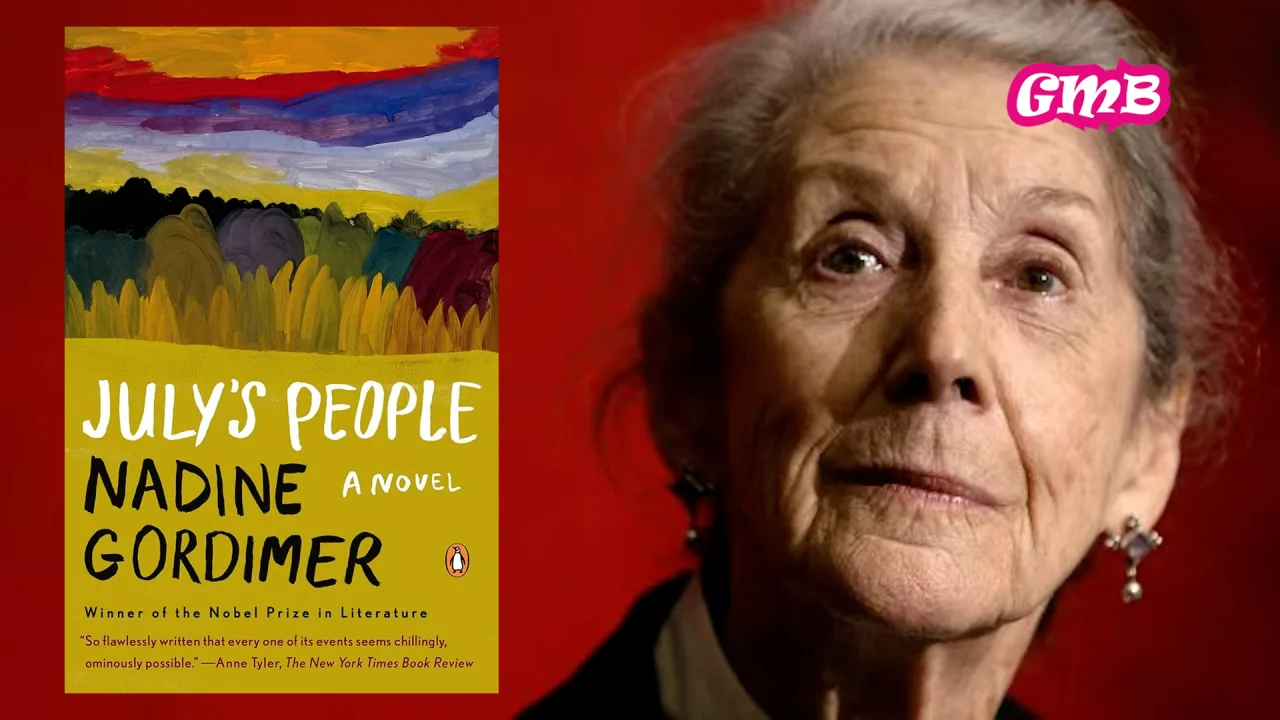
There’s a moment in this novel that quietly unsettled me.
Not a gunshot. Not the chaos. Not even the revolution.
It’s the realization that you can live with someone for years—depend on them, speak to them every day—and still not know their real name.
That moment stayed with me longer than anything else.
Because it forces a question that’s hard to shake: what kind of relationship is built on convenience, hierarchy, and silence—and what happens when that structure disappears overnight?
What Kind of Novel Is This?
This is a political literary novel about power—how it shapes identity, relationships, and the illusion of morality.
Tone: Quiet, tense, deeply unsettling
Pace: Slow, deliberate, reflective
Themes: Power, race, identity, privilege, dependency, moral ambiguity
This book is for readers who:
-
Like fiction that challenges their worldview
-
Enjoy stories that explore uncomfortable social truths
This book is NOT for readers who:
-
Want fast-paced, plot-driven storytelling
-
Prefer clear heroes and villains
👉 The edition I read is available here:
https://amzn.to/4pUjG7V
A World Turned Inside Out (Summary — No Spoilers)
Set in a near-future South Africa, July’s People imagines a violent revolution where Black South Africans rise up against apartheid.
Amid the chaos, a liberal white family—the Smales—escape the collapsing city with the help of their longtime servant, July.
He takes them to his rural village.
And that’s where everything changes.
In the city, the Smales had control, comfort, and certainty. In the village, they have none of that. Their education, their politics, their “good intentions”—none of it matters anymore.
They must now rely entirely on July.
And July… is no longer just “July.”
Why This Story Matters (The Emotional Core)
This isn’t a story about revolution.
Not really.
It’s a story about what remains when power disappears.
What struck me most is how the novel dismantles the idea of being “a good person.” The Smales are not cruel. They are not overtly racist. In fact, they believe themselves to be progressive, fair, even kind.
But Gordimer asks something deeper: Is kindness meaningful when it exists within an unequal system that benefits you?
That question lingers.
The relationship between Maureen and July becomes the emotional center of that tension. It’s not dramatic in a loud way—but in a quiet, shifting, almost invisible way. A hesitation in speech. A change in tone. A refusal to obey instantly.
Small things.
But they feel explosive.
And then there’s the discomfort the book refuses to resolve. It never tells you who is right. It never gives you the comfort of a moral conclusion. It simply exposes the fragile architecture of identity—how quickly it collapses when roles are reversed.
It reminded me, in a strange way, of Blindness—that same sense of society unraveling, of dignity becoming optional.
You finish this book not with answers, but with unease.
A Glimpse of the Story (No Spoilers)
A family escapes a violent uprising.
They find refuge in the home of the man who once served them.
But survival comes with a quiet cost:
They must learn how to exist in a world where they are no longer in control.
And where the person they depended on… may no longer be the same.
Who This Book Is Perfect For
You’ll enjoy this novel if:
-
You like books that leave you thinking long after the last page
-
You enjoy subtle, character-driven tension
-
You read fiction to confront ideas, not escape them
You might struggle with this book if:
-
You prefer fast-moving plots
-
You want clear moral answers
-
You dislike ambiguity and open endings
👉 If this sounds like your kind of book, you can get it here:
https://amzn.to/4pUjG7V
My Honest Verdict
This isn’t an easy novel.
And it’s not trying to be.
What worked for me was the precision. Gordimer’s writing is stripped down, almost surgical. No wasted words. Even the dialogue—often without quotation marks—forces you to slow down and sit with the discomfort.
The psychological tension is where the book truly lives. Not in the revolution, but in the quiet shifts between people.
What didn’t work? At times, that same stylistic choice can feel disorienting. You might find yourself rereading passages just to understand who is speaking. And if you’re looking for emotional release or narrative closure—you won’t find it here.
But maybe that’s the point.
This isn’t a perfect novel—but it’s an honest one.
And those are rare.
About the Author
Nadine Gordimer was a Nobel Prize-winning South African author whose work consistently challenged the realities of apartheid.
She didn’t write from a distance—she lived within the system she critiqued. Her books were banned, debated, and often controversial.
And July’s People might be her most uncomfortable work.
Because it doesn’t just criticize a system.
It questions the people who believed they were separate from it.
Final Thoughts & Recommendation
I keep going back to that first realization—the one about names.
How easy it is to live beside someone without ever truly seeing them.
This book doesn’t let you ignore that.
If you’re the kind of reader who doesn’t mind sitting in discomfort—who actually seeks it out because you know that’s where the real questions are—then this novel will stay with you.
Not because it entertains you.
But because it unsettles you.
👉 If you’d like to read the same edition I did, here’s the link:
https://amzn.to/4pUjG7V
Similar Books You Might Like
-
Blindness — for its exploration of societal collapse and human behavior
Best Format to Read This Book
Paperback.
This is the kind of book you’ll want to pause, reread, and sit with. A slower, more deliberate format suits it best.