 English
 French
 German
 Russian
 中文
中文

When Coming Home Feels Like Failure: Fragments by Ayi Kwei Armah
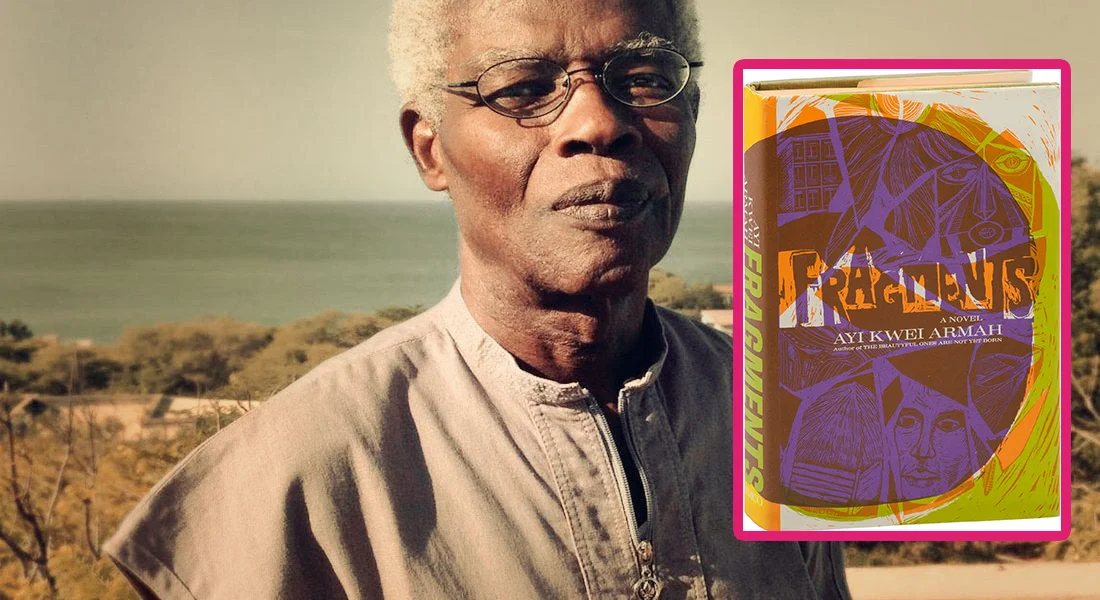
There’s a particular kind of silence that follows you when you return home from abroad without the riches people expected. It’s not loud. No one insults you directly. They just look at you differently. As if you’ve misplaced something important—like money, dignity, or purpose.
That silence hangs over Fragments.
I felt it the moment Baako stepped off the plane.
Everyone around him expects celebration. A hero’s welcome. A walking ATM. After all, he’s a been-to—someone who has been abroad and returned. In post-independence Ghana, that label comes with a clear promise: wealth, gifts, status.
But Baako returns with nothing flashy. No car. No boxes of imported goods. Just ideas, principles, and an almost naïve belief that efficiency and honesty still matter.
That belief doesn’t survive long.
What Kind of Novel Is This?
Fragments is a postcolonial literary novel about the psychological cost of returning home to a society that no longer recognizes your values.
-
Tone: Dark, reflective, unsettling
-
Pace: Slow, deliberate
-
Themes:
-
Materialism vs integrity
-
Family pressure
-
Post-independence disillusionment
-
Mental breakdown
-
Society’s quiet violence against nonconformists
-
This book is for readers who:
-
Enjoy morally uncomfortable African literature
-
Like novels that critique society without offering easy solutions
This book is not for readers who:
-
Want fast plots or tidy endings
-
Prefer heroes who “win” in obvious ways
👉 The edition I read is available here:
Fragments by Ayi Kwei Armah – Amazon
Expectations, Cars, and the Economics of Shame
Baako doesn’t even get twenty-four hours of peace.
A fellow passenger casually tells him he doesn’t look like a been-to. His mother, Efua, asks when his car is arriving—not if, but when. A family friend does the same. Everyone is counting his invisible money.
And when it becomes clear that Baako has returned without material proof of success, disappointment curdles into hostility.
In Fragments, wealth is not just money—it’s moral validation. Without it, Baako is treated as incomplete. Suspicious. Almost offensive.
His refusal to play the expected role isn’t seen as principled. It’s seen as betrayal.
Why This Story Matters (Emotional Core)
This is not really a story about a man without a car.
It’s about what happens when a society replaces values with appearances, and then punishes anyone who refuses to participate.
Baako wants to work. To contribute meaningfully. To create. But everywhere he turns—family, civil service, social life—he’s met with corruption, inefficiency, and quiet cruelty. His job in the civil service is a dead end. His artistic ambitions are mocked. His moral restraint is misunderstood as weakness.
One of the novel’s sharpest voices, Ocran, puts it plainly:
“Nothing works in this country. The place is run by this so-called elite of pompous asses trained to do nothing.”
That line stayed with me long after I closed the book.
Because Fragments refuses to answer the hardest question it raises:
What happens to people who see clearly in broken systems?
Baako’s eventual mental collapse isn’t treated as personal failure. It feels inevitable. Almost logical.
Tradition, Materialism, and the Two Women Who Shape Baako
Armah structures the novel around two opposing forces.
On one side is Naana, Baako’s grandmother—quiet, spiritual, rooted in ancestral wisdom. She understands Baako instinctively, even when she speaks in riddles.
On the other side are Efua and Araba, his mother and sister, who fully embrace material success as survival strategy. They don’t see themselves as greedy. They see themselves as realistic.
Neither side truly wins.
That tension—between ancestral values and modern desperation—forms the emotional backbone of the novel. It’s not resolved. It just tightens.
A Glimpse of the Story (No Spoilers)
This is the setup:
A young Ghanaian man returns home after studying abroad.
His society expects wealth.
He returns with principles instead.
The conflict is not external action—it’s slow social suffocation.
That’s all you need to know.
Who This Book Is Perfect For
You’ll enjoy Fragments if:
-
You like novels that question success itself
-
You enjoy psychologically intense African literature
-
You read fiction to understand society, not escape it
You might struggle with this book if:
-
You prefer fast-moving plots
-
You need clear heroes and villains
-
You dislike ambiguous or painful endings
👉 If this sounds like your kind of book, you can find it here:
Fragments by Ayi Kwei Armah – Amazon
Ayi Kwei Armah: Writing Without Mercy
Ayi Kwei Armah is not interested in comforting readers.
If you’ve read Two Thousand Seasons, you already know this. There, he confronts African complicity in slavery and historical amnesia. In Fragments, he turns the knife inward—toward post-independence society and its worship of material success.
What makes Armah powerful is his refusal to soften the blow. He doesn’t rescue Baako. He doesn’t offer redemption arcs. He simply shows what happens.
And then he stops.
My Honest Verdict
This isn’t a pleasant novel.
It’s slow. Heavy. Emotionally draining at times.
But it’s also honest.
What works:
-
Sharp social critique
-
Psychological depth
-
Unflinching portrayal of postcolonial disillusionment
What doesn’t:
-
The pacing may frustrate some readers
-
The emotional weight never really lifts
Still, I recommend it—especially if you care about African literature that tells uncomfortable truths.
Final Thoughts & Recommendation
Fragments is the kind of book that sits with you quietly after you finish it. It doesn’t demand your attention. It lingers.
Baako’s story isn’t rare. It’s just rarely written about with this much clarity and restraint. In a world that rewards performance over integrity, Fragments asks a dangerous question:
What if success, as defined by society, is the problem?
If you’re ready for a novel that challenges, unsettles, and refuses easy answers, this one is worth your time.
👉 If you’d like to read the same edition I did, here’s the link:
Fragments by Ayi Kwei Armah – Amazon
Optional Add-Ons
Similar Books You Might Like
-
The Beautyful Ones Are Not Yet Born – Ayi Kwei Armah
-
Petals of Blood – Ngũgĩ wa Thiong’o
Best Format
-
Paperback – best for slow, reflective reading and annotation