 English
 French
 German
 Russian
 中文
中文
Not All African Fathers Are Villains — And This Book Proves It
There was a moment while reading this book where I had to pause… not because something shocking happened, but because something felt wrong. Or rather—something I had always assumed to be true suddenly wasn’t.
For years, African literature had quietly trained me to expect one kind of father: distant, harsh, sometimes outright cruel. It became so normal that I never questioned it. I just accepted it as part of the emotional landscape.
But then this book came along and asked a simple, uncomfortable question: What if that’s not the whole story?
And suddenly, everything I thought I knew about fathers in African narratives started to feel… incomplete.
What Kind of Book Is This?
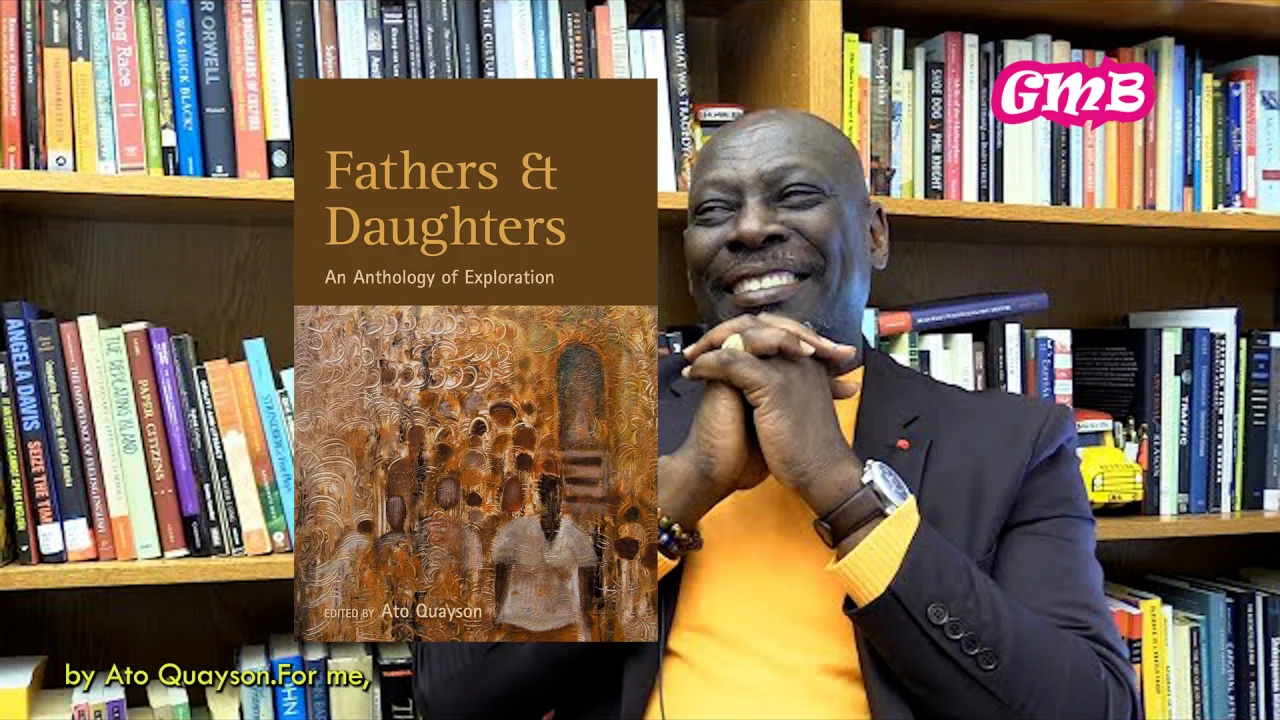
Fathers & Daughters: An Anthology of Exploration edited by Ato Quayson is a reflective, emotionally layered collection of essays, short stories, and poems centered on one core idea: the relationship between African fathers and their daughters.
Tone: Reflective, intimate, sometimes bittersweet
Pace: Moderate (each piece invites you to pause and think)
Themes: Fatherhood, memory, cultural expectations, love, silence, generational change
This is a book for readers who:
-
Are tired of one-dimensional portrayals of African men
-
Enjoy literature that explores relationships with nuance and honesty
This book is NOT for readers who:
-
Want a fast-paced, plot-driven story
-
Prefer clear-cut heroes and villains
👉 The edition I read is available here:
https://amzn.to/3YbOpRR
A Brief Look Inside (No Spoilers)
This anthology brings together different voices across Africa and the diaspora, each offering a unique lens on father-daughter relationships.
Some stories are tender. Others are painful. Many sit somewhere in between.
You’ll meet:
-
A daughter seeking justice for her father’s death
-
A father who sacrifices everything for his daughter’s education, only to lose her emotionally
-
A man reflecting on raising his daughter and discovering joy in fatherhood
-
A surreal story where a father returns—not as a man, but as a child
At its core, the book isn’t about perfect fathers. It’s about real ones—complicated, flawed, and deeply human.
Why This Book Matters
This is where the book truly earns its place.
For the longest time, African literature has leaned heavily on a particular narrative: the father as the source of conflict. Think of many well-known novels—fathers are often authoritarian, abusive, or emotionally unavailable.
And yes, those stories are valid.
But when that becomes the only story, it starts to shape perception—not just of literature, but of real people.
This anthology quietly pushes back against that.
It doesn’t try to paint fathers as saints. Instead, it expands the picture. It shows:
-
Fathers who love quietly, without the language to express it
-
Fathers who sacrifice everything but are misunderstood
-
Fathers who fail—and live with the consequences
What stayed with me most was the idea that sometimes, what daughters interpret as coldness is actually love filtered through culture, expectation, and emotional restraint.
In many African contexts, men are not taught to express affection openly. No hugs. No emotional conversations. Just responsibility, provision, and discipline.
So daughters grow up seeing distance…
Only to realize later that behind that distance was effort, sacrifice, and care.
That realization? It hits hard.
Analysis & Honest Review
What works beautifully in this anthology is its range.
You’re not given a single narrative—you’re given a spectrum.
Some standout moments include:
-
Stories where daughters only understand their fathers years later
-
Pieces where fathers themselves speak, offering a rare perspective
-
Cultural reflections that connect personal experiences to larger societal shifts
The inclusion of male voices is especially powerful. In African literature, fatherhood is often observed—but rarely expressed from within. Here, fathers get to tell their own stories.
And that changes everything.
That said, the book isn’t perfect.
Because it’s an anthology, the quality and impact vary from piece to piece. Some stories hit deeply, while others feel less memorable. There’s also a certain emotional heaviness that might not appeal to readers looking for lighter material.
But honestly, that’s part of its nature. This isn’t a book you rush through—it’s one you sit with.
Who This Book Is Perfect For
You’ll enjoy this book if:
-
You like literature that challenges assumptions
-
You’re interested in African family dynamics and cultural nuance
-
You read to reflect, not just to escape
You might struggle with this book if:
-
You prefer fast-moving plots
-
You want a single, continuous narrative
-
You dislike introspective or reflective writing
👉 If this sounds like your kind of book, you can get it here:
https://amzn.to/3YbOpRR
My Honest Verdict
This isn’t a perfect book—but it’s an important one.
What worked:
-
Its emotional honesty
-
The diversity of perspectives
-
The way it challenges a deeply ingrained literary stereotype
What didn’t:
-
Some unevenness across contributions
-
A few pieces that don’t leave a lasting impression
Still, I’d recommend it.
Because books that expand how we see people—especially people we think we already understand—are rare.
Final Thoughts
If you’ve spent years reading African literature and quietly building an image of the “African father,” this book will gently—but firmly—ask you to reconsider.
It doesn’t erase the harsh realities some stories depict. Instead, it adds what was missing: complexity.
And maybe that’s what makes it powerful.
Because in the end, this anthology reminds us of something simple but often forgotten:
There is never just one version of a story.
👉 If you’d like to read the same edition I did, here’s the link:
https://amzn.to/3YbOpRR