 English
 French
 German
 Russian
 中文
中文

Fourteen Years Old and Married to a Stranger
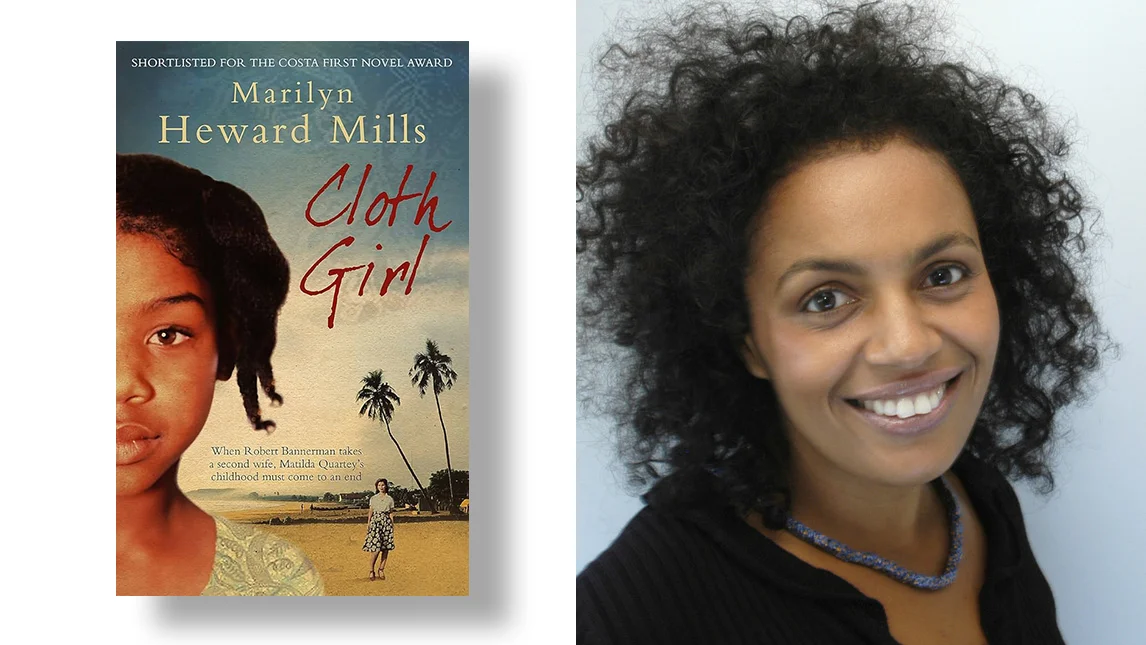
A quiet heartbreak wrapped in tradition
There’s a moment in Cloth Girl that made me stop reading and just sit there for a while. Not because something shocking happened—but because of how normal it all felt to the people inside the story. A fourteen-year-old girl is told she’s getting married, and the adults around her behave as though this is simply the next logical step in life. No panic. No outrage. Just tradition, dressed up as destiny.
That girl is Matilda Lamptey.
And once you step into her world, it’s very hard to step back out unchanged.
What Kind of Novel Is Cloth Girl?
This is a historical literary novel about girlhood, power, and quiet endurance.
-
Setting: Colonial Gold Coast (modern-day Ghana), 1937–1952
-
Tone: Reflective, unsettling, emotionally restrained
-
Pace: Slow-burning, character-driven
-
Themes:
-
Child marriage
-
Polygamy
-
Colonial influence
-
Gender roles
-
Emotional survival
-
This book is for readers who:
-
Love stories rooted in African history and culture
-
Appreciate emotionally complex female characters
-
Enjoy novels that sit with you rather than rush you
This book is not for readers who:
-
Prefer fast-paced plots
-
Need clear heroes and villains
-
Read mainly for escapism
👉 The edition I read is available here:
Cloth Girl by Marilyn Heward Mills on Amazon
Why This Story Matters (And Why It Still Hurts)
At its core, Cloth Girl is not really about marriage.
It’s about what happens when a young girl’s inner life is considered irrelevant.
Matilda is married off to Lawyer Bannerman, a wealthy, Cambridge-educated man who already has a wife. On paper, this is a “good match.” In reality, it’s a quiet erasure. She is expected to obey, to bear children, and to remain grateful—love is not part of the contract.
What stayed with me long after finishing the book is how calmly this injustice unfolds. There’s no melodrama. No dramatic rebellion. Just a young girl slowly realizing that her feelings do not carry weight in the world she inhabits.
And then there’s Audrey.
Audrey is messy, bitter, deeply unhappy—and painfully human. As the British wife of a colonial officer, she despises the Gold Coast with an intensity that borders on self-destruction. She drinks too much, smokes too much, and resents almost everyone around her. Yet somehow, the novel refuses to let you dismiss her entirely.
That’s what Marilyn Heward Mills does so well: she denies you easy moral comfort.
This story exists to ask uncomfortable questions:
-
Who gets to choose?
-
Who gets to be heard?
-
And who pays the price for “tradition”?
A Glimpse of the Story (No Spoilers)
A young Ghanaian girl is married into a polygamous household for social advantage.
A first wife struggles with displacement and resentment.
A colonial marriage slowly rots under the weight of bitterness and isolation.
And when these lives intersect, the consequences are subtle—but devastating.
That’s all you need to know.
The Writing & Characters
One of the strongest elements of Cloth Girl is how real the characters feel.
Matilda is young and naïve, yes—but never stupid. Her inner reflections often surprised me with their depth, and while I occasionally questioned whether a fourteen-year-old would articulate herself this way, I reminded myself of the era. Girls like Matilda were forced to grow up fast.
Audrey, on the other hand, is deeply uncomfortable to read—and that’s intentional. You may dislike her, sympathize with her, then dislike her all over again. She’s written with sharp honesty.
The cultural setting is equally vivid. You can almost feel the heat, hear the streets of Jamestown, and sense the tension between tradition and colonial modernity pressing down on every decision.
👉 You can find the book here if you’re curious:
Check out Cloth Girl on Amazon
What Worked (And What Didn’t)
What worked:
-
Emotionally complex characters
-
Honest portrayal of gender and power
-
Rich cultural and historical backdrop
What didn’t quite work:
-
A few editing issues and typos that momentarily pulled me out of the story
-
Occasional moments where Matilda’s voice felt older than her age
Still, none of this diminishes the emotional weight of the novel.
This isn’t a perfect book — but it’s an honest one.
And those are rare.
Who This Book Is Perfect For
You’ll enjoy Cloth Girl if:
-
You like novels that explore culture without romanticizing it
-
You enjoyed The Joys of Motherhood by Buchi Emecheta
-
You read fiction to understand, not just to escape
You might struggle with this book if:
-
You need fast-moving plots
-
You prefer tidy resolutions
-
You’re uncomfortable with morally complex characters
👉 If this sounds like your kind of read, here’s the link:
Cloth Girl by Marilyn Heward Mills – Amazon
Final Thoughts
Cloth Girl is a quiet novel—but its silence is deliberate. It reflects the silence imposed on girls like Matilda, whose lives are decided for them long before they understand what’s been taken.
By the time I closed the book, I wasn’t thinking about plot. I was thinking about how many stories like Matilda’s were lived, forgotten, and normalized.
This is the kind of book you don’t rush through. You sit with it. You let it unsettle you. And if you’re anything like me, you’ll carry it with you long after the final page.
👉 If you’d like to read the same edition I did, you can find it here:
Get Cloth Girl on Amazon
Similar Books You Might Like
-
The Joys of Motherhood — Buchi Emecheta
-
Changes — Ama Ata Aidoo
Best Format to Read This Book
Paperback.
It suits the slow, reflective nature of the story—and feels right for a novel this intimate.