 English
 French
 German
 Russian
 中文
中文

The Dangerous Thought That Turns a Man Into a Murderer
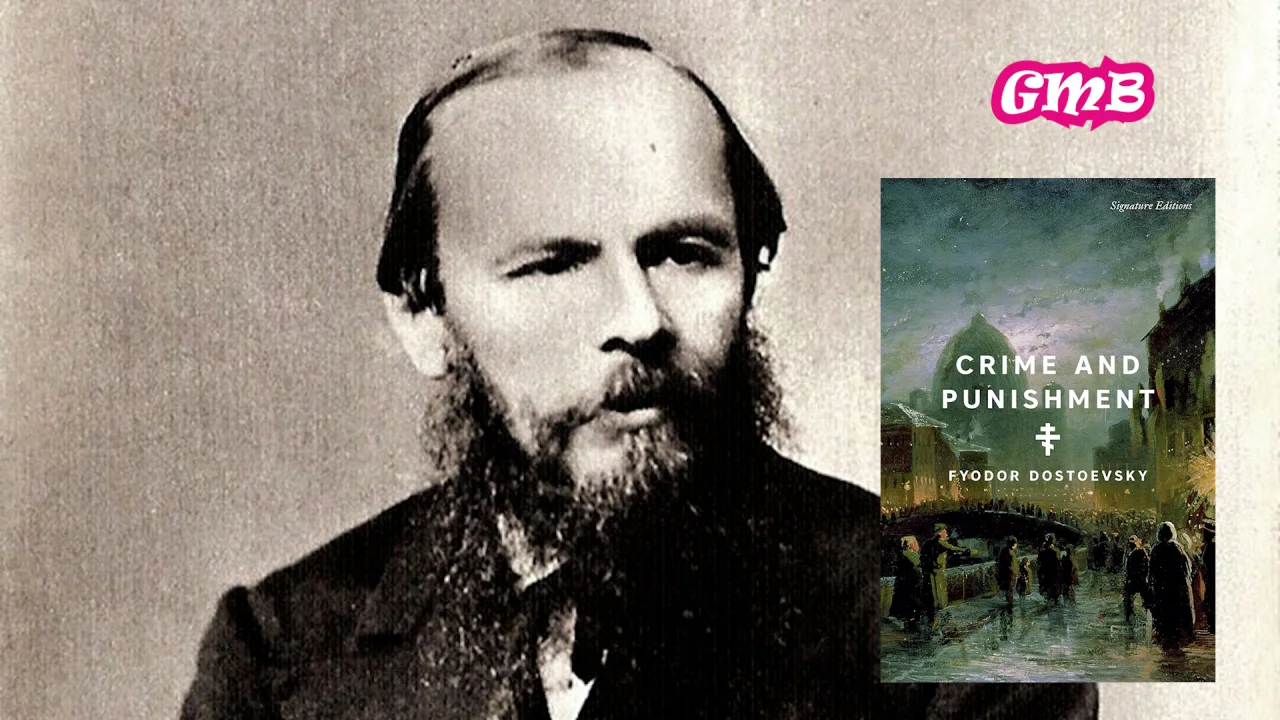
There’s a moment while reading Crime and Punishment when I had to stop and just sit there.
Not because something shocking happened—but because I caught myself understanding the logic.
That’s the unsettling part. Not the axe. Not the crime. But the quiet, creeping realization that under the right pressure—poverty, pride, desperation—your mind can start making arguments you never thought possible.
And suddenly, this isn’t just a story about a man in 19th-century Russia.
It feels uncomfortably close.
What Kind of Novel Is This?
This is a psychological, philosophical, and deeply disturbing novel about the limits of human morality.
Tone: Dark, intense, reflective
Pace: Slow but mentally gripping
Themes: Guilt, power, morality, justice, identity, redemption
This book is for readers who:
-
Enjoy novels that explore the human mind rather than just events
-
Like being challenged by big moral questions
This book is NOT for readers who:
-
Want fast-paced, plot-driven stories
-
Prefer clear heroes and villains
👉 The edition I read is available here:
https://amzn.to/4rJ63Kp
Summary (No Spoilers)
At the center of the novel is Rodion Raskolnikov, a struggling former student living in poverty in St. Petersburg.
He’s intelligent, proud, and quietly unraveling.
When he convinces himself that certain “extraordinary” people have the right to break moral laws for a greater purpose, he decides to test that theory in the most extreme way possible—by committing murder.
But the story isn’t really about the crime.
It’s about what happens after.
As guilt, paranoia, and internal conflict begin to consume him, Raskolnikov is forced into a psychological battle with himself—one that becomes more punishing than any legal sentence.
Analysis & Review
1. The Psychology of Crime — And Why It Feels Too Real
What makes Crime and Punishment so powerful is that the real story happens inside Raskolnikov’s head.
Dostoevsky doesn’t just show us a man committing a crime—he dissects the aftershock.
The anxiety. The fever. The irrational thoughts. The desperate attempts to justify the unjustifiable.
You don’t just read about guilt—you experience it.
And that’s what makes this novel exhausting in the best way possible.
2. The “Extraordinary Man” Theory — A Dangerous Idea
Raskolnikov’s belief that some people have the right to transcend morality is one of the most fascinating (and terrifying) ideas in literature.
It raises uncomfortable questions:
-
Do “great” individuals have different moral rules?
-
Can evil be justified if it leads to progress?
-
Where do we draw the line?
The brilliance of Fyodor Dostoevsky is that he never gives a clean answer.
Instead, he lets the idea collapse under its own weight.
3. Guilt as Punishment
One of the most striking takeaways from this novel is simple:
The punishment is not prison. It’s the mind.
Raskolnikov spends much of the novel trying to convince himself he did nothing wrong.
But his body, his thoughts, his subconscious—they all betray him.
This is where Dostoevsky’s genius shines.
He shows that justice isn’t just something society enforces—it’s something the human conscience demands.
4. Sonia — The Quiet Force of Redemption
Amid all the darkness, there’s Sonia.
She doesn’t argue philosophy. She doesn’t debate morality.
She simply stays.
Her presence introduces something the novel desperately needs: compassion.
And through her, Dostoevsky suggests something radical:
Not logic. Not power. Not intellect.
But love is what ultimately saves us.
5. What Didn’t Work (Yes, There Are Flaws)
Let’s be honest—this isn’t an easy read.
-
The pacing can feel painfully slow
-
The long internal monologues can be overwhelming
-
The Russian names can get confusing
There were moments I felt mentally drained.
But strangely, that discomfort feels intentional—as if the book wants you to sit in that unease.
Why This Story Still Matters
This novel exists because human beings are still asking the same questions today.
-
Can desperation justify wrongdoing?
-
Is morality absolute, or flexible?
-
What happens when intellect overrides empathy?
What stayed with me wasn’t the crime.
It was the realization that people don’t just wake up and become monsters.
They reason their way into it.
And that’s what makes this story timeless—and dangerous.
Conclusion & Recommendation
Crime and Punishment is not an easy novel. It’s not even always an enjoyable one.
But it’s an important one.
If you read fiction to be challenged, to think deeply, and to confront uncomfortable truths about human nature—this book will stay with you long after the final page.
If you’re just looking for entertainment, this might feel like too much work.
👉 If this sounds like your kind of book, you can get it here:
https://amzn.to/4rJ63Kp
My Final Thoughts
This isn’t a perfect novel—but it’s an honest one.
And those are rare.
It forces you into a space where you have to confront not just the character’s morality—but your own. It doesn’t offer comfort. It doesn’t give easy answers.
It lingers.
And maybe that’s the point.
👉 If you’d like to read the same edition I did, here’s the link:
https://amzn.to/4rJ63Kp