 English
 French
 German
 Russian
 中文
中文

“Dreams in a Time of War” by Ngugi wa Thiong’o: A Memoir That Redefines Colonial History
When Reality Feels Stranger Than Fiction
What if I told you that the most horrifying stories you’ve ever heard about colonialism—the ones that sound too brutal to be true—are actually watered-down versions of reality? That the truth is far worse than anything a novelist could invent?
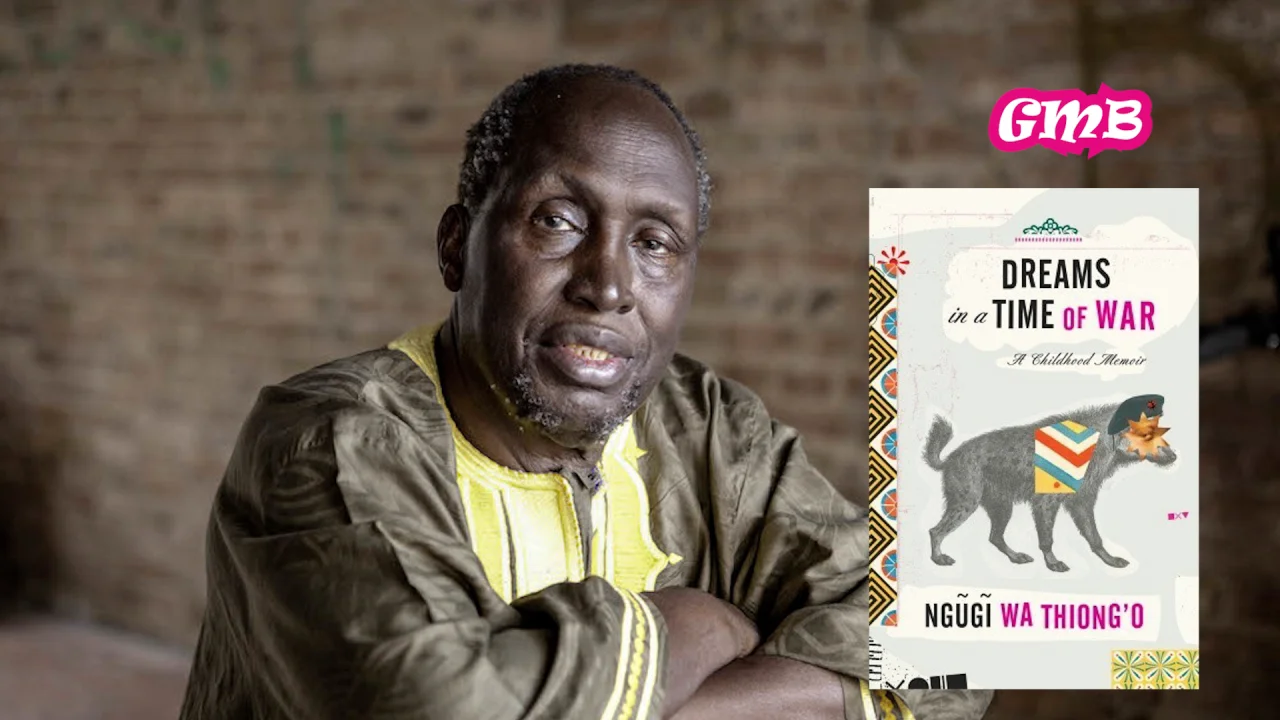
This is exactly the world that Ngugi wa Thiong’o takes us into in his memoir, Dreams in a Time of War. But before we dive into history and politics, let me introduce you to the boy at the center of this story: a young child in colonial Kenya, navigating a world where colonial forces, family dynamics, and the pursuit of education collide in ways both tragic and absurd.
From near-death experiences to impossible moral choices, Ngugi’s memoir is not just about surviving—it’s about understanding, questioning, and ultimately resisting a system built to suppress both culture and identity.
A Glimpse Into the Story
Set in colonial Kenya, the memoir follows Ngugi’s childhood from his father’s compound to his mother’s and grandfather’s homes. Life is far from simple. The boy faces daily struggles: from nearly suffocating in a childhood mishap to navigating an education system run by missionaries whose lessons are designed to make him despise his own culture.
Education, as Ngugi shows, is both a path to liberation and a tool of colonization. Native people who tried to teach their children their own culture were swiftly shut down by the colonial government, while those who embraced European ways were deemed “advanced.” Alongside these personal struggles, Kenya is being reshaped by war and resistance. African soldiers fight abroad during World War II, only to return home and find their families displaced, their lands seized, and society upended.
The memoir also provides a window into the Mau Mau uprising, a resistance movement that tore communities apart. The conflict is not black-and-white: sometimes the fiercest enforcers of colonial rule were local collaborators, making the story a complex web of loyalty, betrayal, and survival.
Through all of this, young Ngugi must make heartbreaking choices, like deciding between a childhood dream of riding a train and staying in school to honor his mother’s sacrifices.
Themes, Analysis, and Personal Insights
Reading Dreams in a Time of War is an emotional and intellectual journey. Here’s what makes this memoir so compelling:
The Human Face of Oppression
Ngugi shows us that oppression doesn’t create heroes or villains—it magnifies the character already present in people. Characters like Reverend Stanley Kahahu and his wife are not cartoonish villains; they are humans whose flaws and ambitions are revealed under the pressures of colonial power.
Education as Liberation and Colonization
One of the book’s most striking themes is the dual nature of education. Ngugi’s mother sees it as the only path to a better future, yet the colonial system weaponizes it to strip children of their cultural identity. It’s a stark reminder of the impossible choices forced upon colonized peoples.
History Through a Child’s Eyes
Ngugi’s perspective as a child makes the historical narrative both intimate and visceral. From being beaten for language mistakes to navigating traditional rites of passage under colonial oversight, we experience the human cost of history firsthand.
Relevance Today
Ngugi also connects colonial oppression to modern neo-colonialism, warning against those who exploit their own continent for personal gain. His reflections feel eerily contemporary, showing that while the tools of exploitation may have changed, the patterns often remain.
Masterful Writing
Ngugi’s memoir reads like historical fiction, yet it’s all true. His alternating use of past and present tense immerses readers in the immediacy of events, making moments of humiliation, danger, and small victories feel deeply personal.
For fans of his novels—like Weep Not, Child or A Grain of Wheat—this memoir provides invaluable insight into the real-life experiences that shaped his fiction.
About the Author
Ngugi wa Thiong’o, born in 1938 in colonial Kenya, is one of Africa’s most celebrated literary figures. His commitment to writing in Gikuyu rather than English reflects a lifelong dedication to preserving African language and culture. Over his career, Ngugi has been a novelist, playwright, and critic, with works translated worldwide.
He has also faced political persecution, including imprisonment and exile, for his outspoken views. Despite these challenges, his work remains deeply connected to Africa’s struggles for justice, identity, and dignity.
Conclusion & Recommendation
Dreams in a Time of War is more than a memoir—it’s a powerful window into colonial Africa, told with honesty, nuance, and profound insight. Ngugi’s story is a testament to resilience, education, and the human spirit.
If you’re interested in:
-
African history and colonial studies
-
Memoirs that blend personal narrative with historical insight
-
Stories that challenge your understanding of oppression and resistance
…then this book is essential reading.
You can find Dreams in a Time of War in most bookstores, and I highly recommend adding it to your collection.
Have you read Ngugi’s memoir or any of his novels? Share your thoughts and reflections in the comments below—there’s so much to unpack in this extraordinary life story.