 English
 French
 German
 Russian
 中文
中文

The Lie We Tell About “Fixing” People
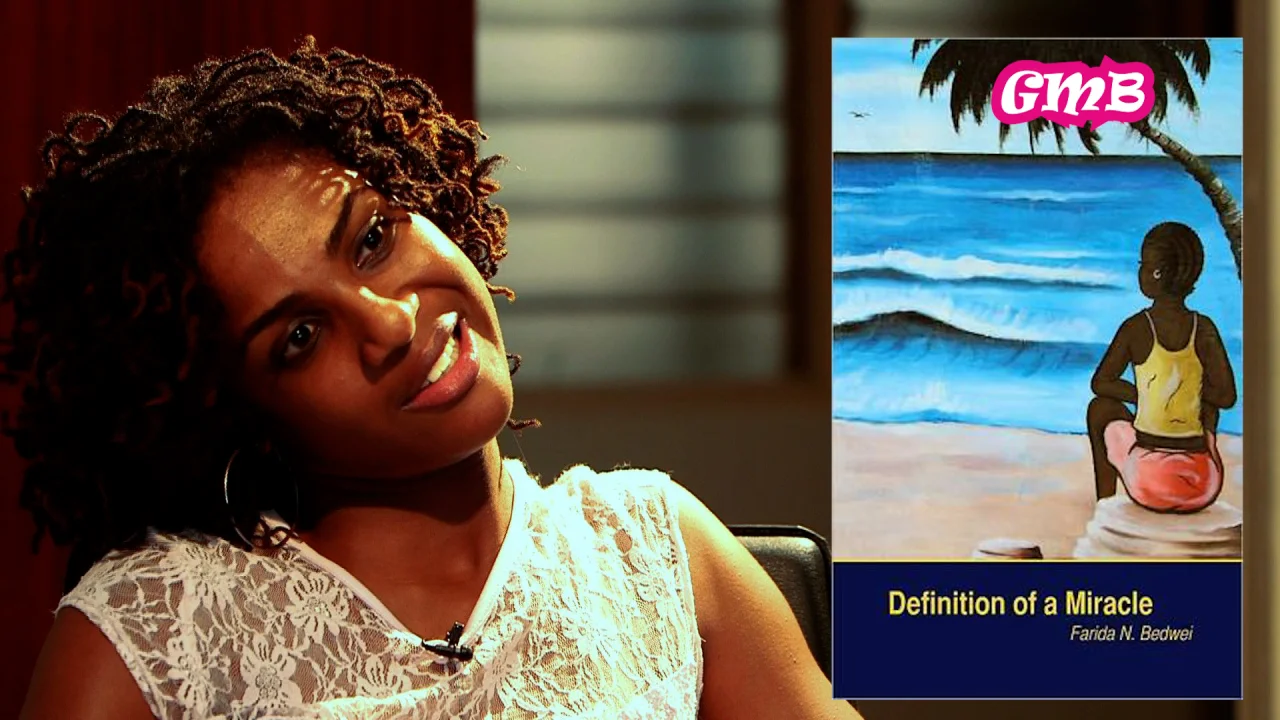
There’s a moment that stayed with me long after I closed Definition of a Miracle.
Not a dramatic one. Not a big scene.
Just the quiet, uncomfortable realization that sometimes the people trying hardest to “help” you… are the ones slowly teaching you that something is wrong with you.
And that idea? It lingers.
Because this book doesn’t shout. It doesn’t try to impress you. It just sits with you—and then quietly rearranges how you see things you thought you already understood.
What Kind of Novel Is This?
This is a reflective, humorous, and deeply human novel about disability, belief, and the dangerous obsession with “normal.”
Tone: Warm, witty, quietly painful
Pace: Moderate
Themes: Faith vs. science, identity, family tension, social perception, dignity
This book is for readers who:
-
Like character-driven stories that make you think
-
Enjoy honest, culturally grounded narratives
-
Want to explore disability from the inside, not the outside
This book is NOT for readers who:
-
Want fast-paced, plot-heavy storytelling
-
Prefer clear-cut answers and simple resolutions
👉 The edition I read is available here:
https://amzn.to/44zmjnx
A Story That Starts Before You Can Even Speak
Imagine your life being defined before you can even form your first memory.
That’s how Definition of a Miracle begins.
Written by Farida Nana Efua Bedwei, the novel introduces us to Zaara—a girl who develops cerebral palsy at just two weeks old. From that moment on, her life becomes less about who she is… and more about what everyone else believes is wrong with her.
And in a world where nothing is ever just “medical,” the question quickly shifts from what happened to who caused it.
That’s where things begin to unravel.
Summary: A Life Caught Between Belief and Reality
Zaara grows up bright, observant, and painfully aware of how people see her.
Instead of being recognized for her intelligence, she’s taken from one prayer camp to another in search of healing. Each visit comes with hope, noise, and promises—but always ends the same way: nothing changes.
Her condition is blamed on supernatural forces. An aunt is accused. Faith becomes a battleground.
At home, tensions rise. Her mother leans deeper into spiritual solutions, while her father—Muslim—watches the family slowly fracture under pressure. Their interfaith marriage, once stable, begins to strain under the weight of belief, fear, and desperation.
Outside the home, things aren’t much easier. Society treats Zaara as if her disability defines her entire being. People assume she’s less intelligent. The world around her isn’t built to accommodate her.
And yet—there’s a turning point.
School.
For the first time, Zaara experiences something close to normalcy. Friendship. Recognition. A space where she isn’t just “the disabled girl,” but simply… a person.
And that, the book suggests, might be the closest thing to a miracle.
Analysis & Review: What This Book Gets Right (And Where It Stumbles)
What makes Definition of a Miracle powerful is its perspective.
Most stories about disability—especially in African contexts—are told from the outside. Caregivers. Families. Observers.
Here, we are placed directly inside Zaara’s mind.
And that changes everything.
You feel the quiet frustration of being misunderstood. The emotional weight of constantly being “fixed.” The subtle, creeping doubt that maybe—just maybe—you are the problem.
The humor helps. A lot.
Zaara’s voice is sharp, observant, and sometimes brutally honest. She sees through the adults around her—the pastors, the well-meaning relatives, even her own parents—and her commentary adds both lightness and depth to heavy situations.
But the book isn’t perfect.
There are moments where the narration feels a bit too all-knowing. Zaara occasionally describes events or insights she realistically shouldn’t have access to, and the story doesn’t always explain how she knows them.
The editing, too, could have been tighter in places.
Still, these issues don’t take away from the core of the story.
Because emotionally, it lands.
And it lands hard.
Why This Story Matters (Emotional Core)
This isn’t really a story about disability.
It’s a story about what happens when people refuse to accept reality—and instead try to reshape a person to fit their expectations.
The most uncomfortable truth in this book is this:
Zaara doesn’t suffer only because of cerebral palsy.
She suffers because of how people respond to it.
The endless healing attempts.
The whispered accusations.
The quiet assumption that she is incomplete.
Over time, these things start to sink in.
And that’s the real damage.
What stayed with me is how the book redefines the idea of a miracle.
Not as a sudden cure.
Not as a dramatic transformation.
But as something quieter:
Being accepted.
Being included.
Being allowed to exist—fully and unapologetically—as you are.
That’s a powerful shift.
And honestly, it feels more relevant now than ever.
A Glimpse of the Story (No Spoilers)
A young girl develops a lifelong condition.
Her family, driven by love and belief, embarks on a mission to heal her—at any cost.
But as faith, science, and social pressure collide, the real question becomes:
Is the problem her condition… or the world trying to change her?
Who This Book Is Perfect For
You’ll enjoy this novel if:
-
You like stories that challenge how you think about “normal”
-
You enjoy introspective, character-driven writing
-
You read fiction to understand people, not just escape
You might struggle with this book if:
-
You prefer fast-moving plots
-
You want clear heroes and villains
-
You dislike open-ended, reflective storytelling
👉 If this sounds like your kind of book, you can get it here:
https://amzn.to/44zmjnx
Conclusion & Recommendation
Definition of a Miracle isn’t loud. It doesn’t try to overwhelm you with drama or spectacle.
Instead, it does something much harder.
It tells the truth—gently, honestly, and without apology.
This is a book for readers willing to sit with discomfort. For those open to questioning deeply held beliefs about disability, faith, and what it means to live a “complete” life.
It’s not a perfect novel.
But it’s an honest one.
And those are rare.
Final Thoughts
I keep coming back to that quiet idea:
What if the miracle isn’t changing the person… but changing how we see them?
That’s what Definition of a Miracle leaves you with.
Not answers.
Not solutions.
Just a different way of looking at things you thought you already understood.
👉 If you’d like to read the same edition I did, here’s the link:
https://amzn.to/44zmjnx