 English
 French
 German
 Russian
 中文
中文

This Love Story Was Doomed Before It Even Began
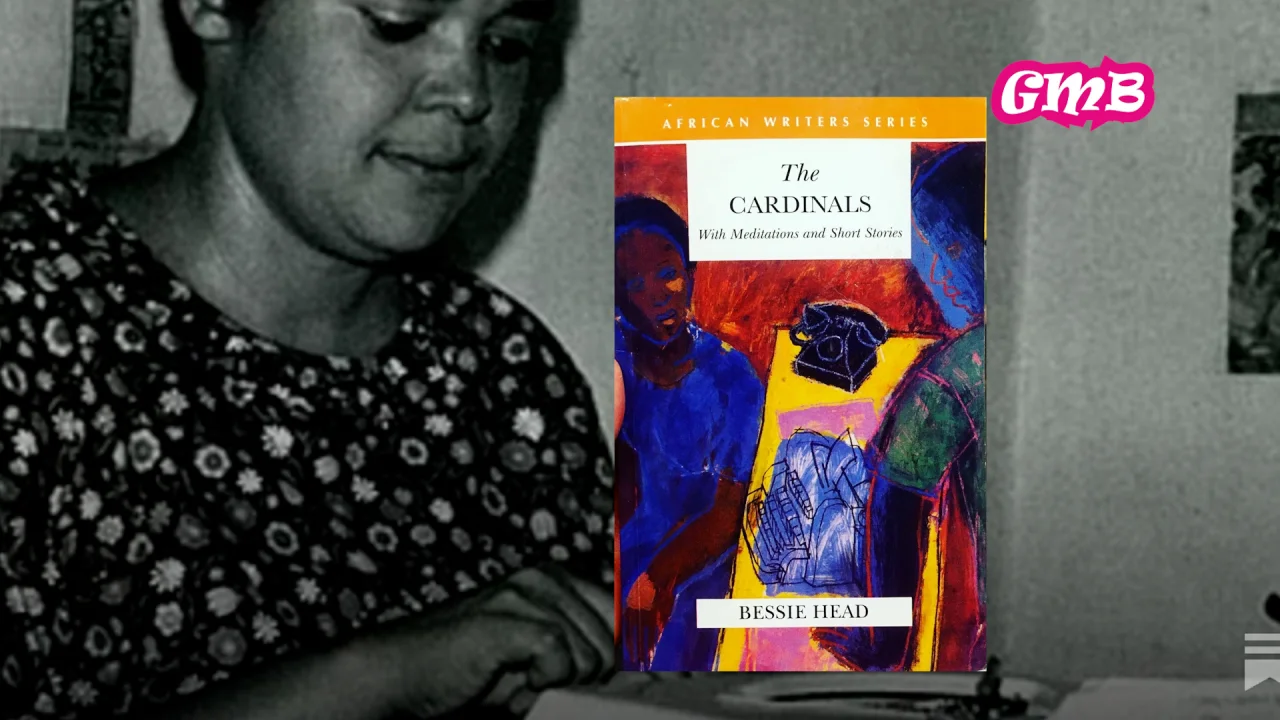
There’s a moment early on where you realize this isn’t going to be a simple love story.
It starts softly—almost innocently. Two people meet, feelings grow, and for a second, you think maybe this will be one of those rare stories where love survives everything. But then reality steps in. Not gently. Not kindly. And suddenly, you’re watching something fragile being pulled apart by forces that don’t care how anyone feels.
I remember pausing at that point, just sitting with the discomfort of it.
Because The Cardinals doesn’t just tell a story about love—it quietly asks whether love ever stood a chance in the first place.
And that question lingers long after you’ve turned the last page.
What Kind of Novel Is This?
This is a literary, introspective, and quietly devastating novel about identity, belonging, and the invisible walls society builds between people.
Tone: reflective, melancholic, quietly intense
Pace: slow to moderate
Themes: identity, class division, love, loneliness, freedom, self-discovery
This book is for readers who:
-
enjoy character-driven, thoughtful fiction
-
like stories that feel personal and philosophical at the same time
This book is NOT for readers who:
-
want fast-paced plots or clear resolutions
-
prefer simple, feel-good love stories
👉 The edition I read is available here:
https://amzn.to/4j1N5uN
Why This Story Matters (Emotional Core)
What stayed with me isn’t the romance—it’s the distance.
The emotional distance between people who should have understood each other. The distance created by class, by upbringing, by silence. The kind of distance that doesn’t shout—it just quietly exists, shaping everything.
Through Mouse, you feel what it means to grow up without a stable sense of self. To be moved around, reshaped by circumstances, and left to figure out who you are without guidance. Her question—“Who am I?”—isn’t poetic. It’s urgent. It’s survival.
And then there’s the deeper layer: this isn’t just her story.
You can feel Bessie Head herself in these pages. Especially in the meditations that follow the novella. They don’t read like fiction—they feel like fragments of a mind trying to stay free in a world determined to define it.
There’s anger here. But it’s controlled. Precise.
Her rejection of labels, her resistance to control—whether political, religious, or social—feels incredibly relevant now. Maybe even more than when she wrote it.
And then there’s the loneliness.
Not dramatic loneliness. Not loud heartbreak. But that quiet, persistent ache of wanting connection and not quite finding it. That part feels almost too honest at times.
This book exists because some experiences can’t be simplified. Because identity isn’t neat. Because love, on its own, isn’t always enough.
A Glimpse of the Story (Minimal, No Spoilers)
A young man escapes the limitations of his upbringing and tries to build a better life for himself.
He falls in love with a woman from a more “privileged” background within his own community—already a complicated situation in apartheid-era South Africa.
Then something happens that separates them completely.
Years later, they meet again.
But they’re no longer the same people—and whatever existed between them now has to survive not just time, but everything life has done to them in between.
Who This Book Is Perfect For
You’ll enjoy this novel if:
-
you like books that explore identity and inner conflict
-
you enjoy reflective, almost philosophical storytelling
-
you read fiction to understand people, not just follow a plot
You might struggle with this book if:
-
you prefer fast-moving, event-driven stories
-
you need clear emotional closure
-
you dislike introspective or fragmented narratives
👉 If this sounds like your kind of book, you can get it here:
https://amzn.to/4j1N5uN
My Honest Verdict
This isn’t a perfect novel—but it’s an honest one.
What worked for me was the emotional depth. The way the story refuses to simplify anything. The characters feel shaped by life in a way that’s believable, even when it’s uncomfortable.
And the writing? Sharp. Observant. Almost surgical in how it cuts into human behavior.
The meditations, though—that’s where the book really stayed with me. They feel raw, unfiltered, and deeply personal. At times, it almost feels like you’re reading something you weren’t meant to see.
What didn’t fully work is the structure. The shift between the novella and the meditations can feel a bit disjointed if you’re expecting a single, cohesive narrative. It asks more from the reader—patience, attention, willingness to sit with ambiguity.
But maybe that’s the point.
Final Thoughts & Recommendation
I keep thinking about that question: Who am I?
Not in a dramatic way. Just quietly. The way it lingers after you’ve closed the book and gone back to your life.
The Cardinals isn’t trying to entertain you. It’s trying to unsettle you—just enough to make you think differently about identity, love, and the forces that shape both.
It’s not for everyone. But if you’re the kind of reader who doesn’t mind sitting with difficult questions… this book will stay with you.
👉 If you’d like to read the same edition I did, here’s the link:
https://amzn.to/4j1N5uN
Similar Books You Might Like
-
A Question of Power by Bessie Head
-
Maru by Bessie Head
Best Format to Read This Book
Paperback.
This is the kind of book you’ll want to underline, pause, and come back to. The meditations especially feel like they deserve slow reading.