 English
 French
 German
 Russian
 中文
中文

Anna Karenina by Leo Tolstoy: A Tale of Love, Betrayal, and Society’s Hypocrisy
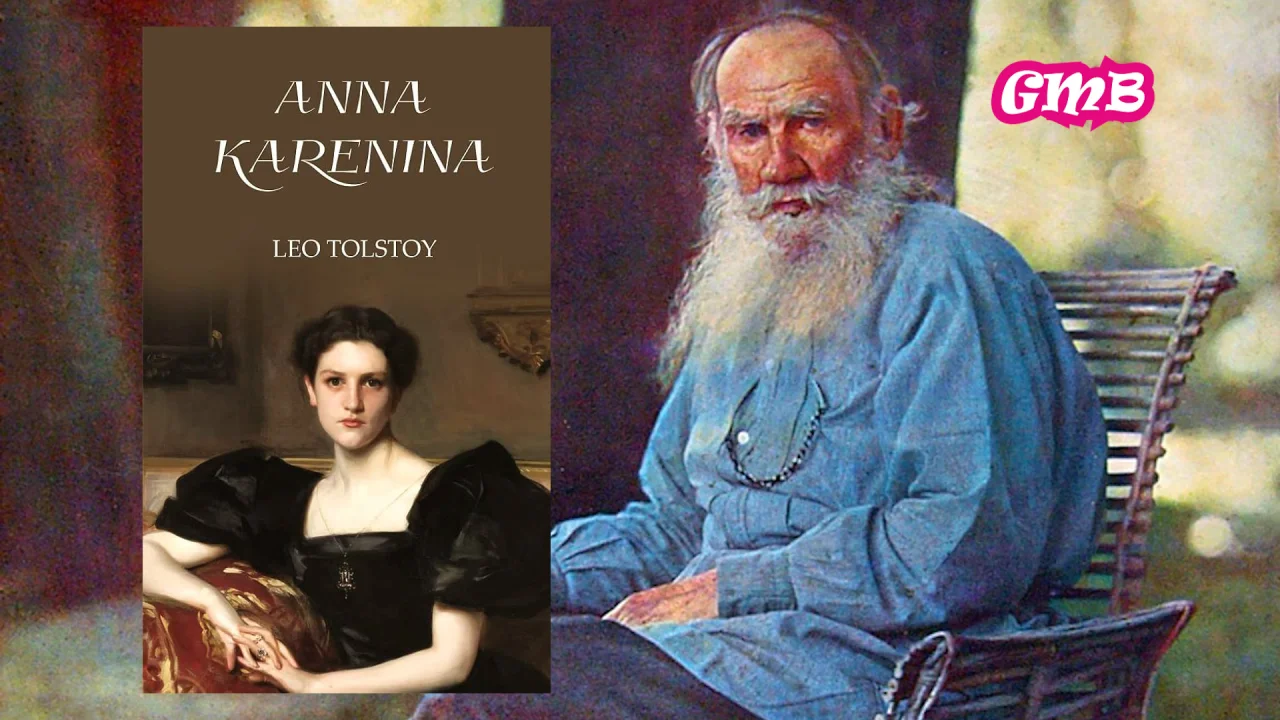
A Story That Starts With Family Drama—and Ends in Tragedy
Have you ever picked up a book thinking you’re in for a simple love story, only to find yourself knee-deep in aristocratic scandals, philosophical debates, and social intrigue? That’s exactly what Leo Tolstoy delivers in Anna Karenina. This isn’t just a romance—it’s a sweeping exploration of love, betrayal, society, and the impossible standards placed on women. If you’ve ever been curious about Russian high society, the nature of passion, or the cost of defying societal norms, this novel is a must-read.
Grab your copy of Anna Karenina on Amazon here.
Summary: Unhappy Families and Scandalous Love
Tolstoy opens with one of the most famous lines in literature:
"All happy families resemble one another, but each unhappy family is unhappy in its own way."
That line perfectly sets the stage. The story begins in Moscow with the Oblonsky family—an aristocratic household already in turmoil because of a husband’s infidelity. Oblonsky’s betrayal of his wife Dolly sparks family tension that draws in his sister, the sophisticated and charming Anna.
But Anna’s arrival in Moscow sets off a chain of events that none of them could predict. Dolly’s younger sister, Kitty, is enamored with the dashing cavalry officer Vronsky—until Anna walks into the room and captures his attention instead. What begins as flirtation between Anna and Vronsky quickly escalates into a passionate affair, creating a scandal that society cannot ignore.
Meanwhile, Anna’s own marriage is a façade: a union arranged more for social convenience than love. Her husband is concerned with appearances, not honesty, which only deepens Anna’s dissatisfaction and drives her toward Vronsky. From secret rendezvous to public gossip, Tolstoy masterfully paints a picture of a world where societal norms crush genuine emotion.
Anna and Vronsky attempt to escape this scrutiny by traveling to Europe, but freedom comes at a steep cost. The affair, the impossibility of divorce, the societal double standards, and Anna’s own insecurities all collide, leading to a tragic, unforgettable conclusion—at the very train station where their story began.
Check out this beautiful illustrated edition of Anna Karenina on Amazon.
Analysis & Review: Hypocrisy, Passion, and the Price of Defiance
Anna Karenina is more than a love story—it’s a profound critique of 19th-century Russian society. Tolstoy exposes the hypocrisy of the aristocracy, the suffocating rules surrounding marriage, and the harsh double standards for men and women. Anna is punished for pursuing real love, while men like Oblonsky continue with their lives with little consequence.
The novel also explores deeper themes: faith, morality, and even early economic debates. Tolstoy’s commentary on landowners and peasants foreshadows the social upheavals that would later shape Russian history.
What makes this book unforgettable is Anna herself. She is complex, both a victim and an agent of destruction. Her passion is raw, her desires relatable, yet her story is inevitably tragic. In contrast, subplots like Levin and Kitty’s more conventional romance offer hope and balance, highlighting different ways to navigate love and societal expectations.
Tolstoy’s writing is rich, layered, and surprisingly modern for a book written in the 1870s. His characters feel real, their emotions palpable, and his insight into human nature is timeless.
Discover Tolstoy’s world with this annotated edition of Anna Karenina.
Strengths
-
Complex Characters: Anna, Vronsky, Levin, and Kitty feel incredibly real, with strengths, flaws, and contradictions.
-
Social Critique: The book is a sharp examination of aristocratic life, gender roles, and societal pressures.
-
Emotional Depth: Tolstoy captures love, jealousy, and despair with unmatched insight.
-
Subplots: Levin and Kitty’s story balances Anna’s tragedy and adds nuance to the narrative.
Weaknesses
-
Length: At over 800 pages, it can feel daunting.
-
Philosophical Digressions: Sections on farming, religion, and economics may slow the pace for some readers.
About the Author: Leo Tolstoy
Leo Tolstoy (1828–1910) was born into Russian nobility, giving him an insider’s perspective on the aristocratic society he critiques so vividly. Beyond Anna Karenina, he wrote works like War and Peace and essays on philosophy and religion. Tolstoy’s genius lies in his ability to combine sweeping social commentary with intimate human stories—making his work timeless.
Explore more of Tolstoy’s works on Amazon.
Conclusion & Recommendation: Who Should Read Anna Karenina
If you’re a fan of character-driven stories, social commentary, or historical fiction, Anna Karenina is essential reading. Yes, it’s long, and yes, it occasionally detours into philosophy and economics—but the emotional payoff is extraordinary. Tolstoy’s exploration of love, freedom, and societal hypocrisy remains as relevant today as it was over a century ago.
Prepare to be captivated, challenged, and ultimately moved by a story that proves that the heart’s desires often clash violently with the rules of society.
Buy Anna Karenina now and experience the timeless tragedy yourself.