 English
 French
 German
 Russian
 中文
中文

Wandering Deserts and Quiet Courage: A Review of Death Comes for the Archbishop by Willa Cather
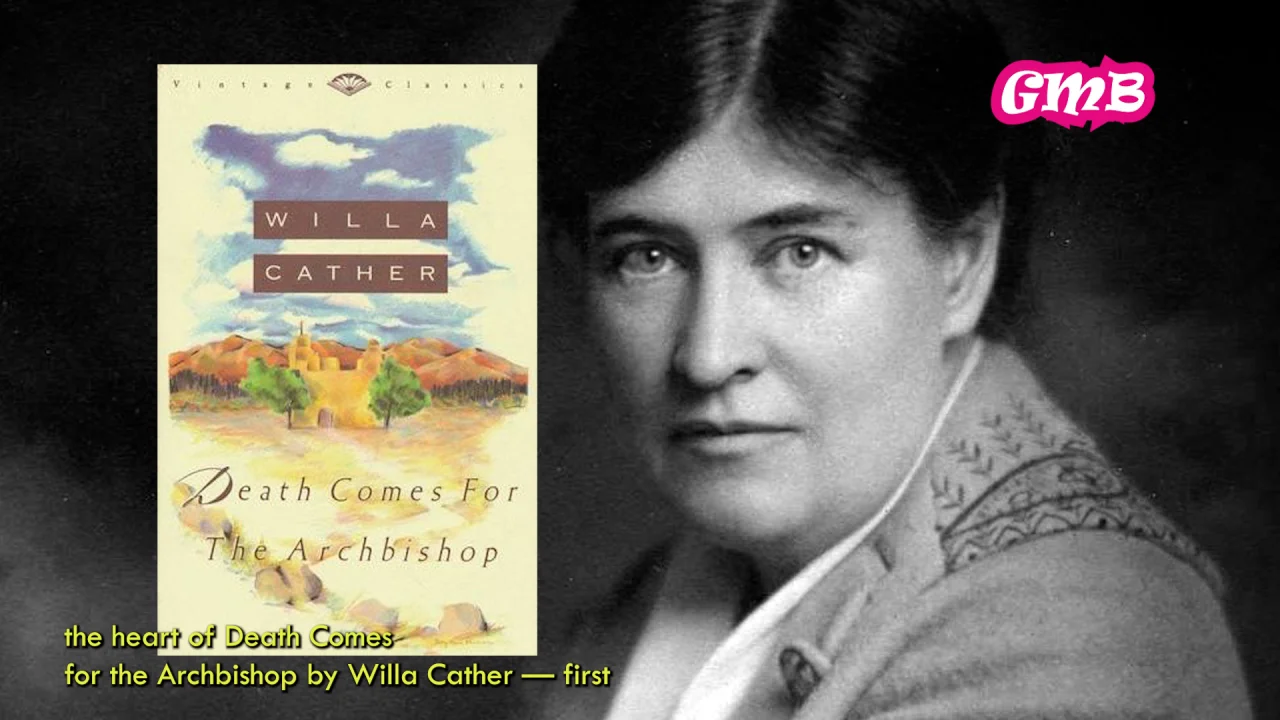
Packing Bags for the Unknown
Imagine this: you and your closest friend leave everything familiar behind in France, set off for a scorching, cactus-filled land thousands of miles away, and your mission is… to convert people to a religion you barely understand. You don’t speak the language, the culture is foreign, and the colleagues who are supposed to help? Let’s just say they make you question every life choice that led you here. It sounds like the opening scene of a buddy-comedy road trip, right? Only in Death Comes for the Archbishop, this adventure takes place in the mid-1800s, amid deserts, rattlesnakes, and moral dilemmas, with stakes far deeper than a laugh track can capture.
A Journey Through Harsh Lands and Human Complexity
Death Comes for the Archbishop follows two French clergymen: Bishop Jean Latour and Vicar Joseph Vaillant. They leave Sandusky, France, and head for New Mexico, a region newly annexed by the United States, with the Church’s hope that they’ll bring spiritual guidance to Latinos and Native Americans.
From the moment they step off the wagon, the land itself challenges them. Endless deserts, rocky terrain, and sweltering heat seem intent on testing every ounce of their endurance. But the true obstacles are not the unforgiving land or even the local communities—they are the priests they find already stationed there. These men, meant to be shepherds, are often swindlers, hoarders, and philanderers. Latour and Vaillant’s task is monumental: reform a corrupt clergy and bring genuine faith to the people, all while navigating a culture, landscape, and society completely alien to them.
Their approach isn’t flashy or heroic in the traditional sense. They live simply, act kindly, and embody the values they preach. Slowly, hearts are won—among locals, and even some of the more wayward clergy. The duo’s complementary strengths—Latour’s intellect and Vaillant’s boldness—make them a formidable team, building churches, establishing cathedrals, and quietly leaving a lasting impact.
Life, Landscape, and Quiet Heroism
One of Cather’s greatest triumphs is her portrayal of New Mexico as a living character. The desert stretches like a silent, watchful presence. Mountains loom as quiet sentinels, and the land’s loneliness is almost tangible, but so is its serene beauty. People live in rhythm with this environment, and the narrative captures that lifestyle with an almost meditative respect.
Unlike novels that hinge on dramatic conflicts or grand historical events, the story here is subtle. It’s about daily life, small victories, and the resilience required to live and serve in such a demanding place. Latour and Vaillant touch countless lives—sometimes spiritually, sometimes literally saving people from danger—but the book never relies on adrenaline or plot twists to hold your attention.
What Makes This Novel Stand Out
This is not a book for readers seeking fast-paced drama. It’s for those who can appreciate the quiet beauty of daily life, the endurance of human spirit, and a landscape that shapes its inhabitants as much as they shape it.
Willa Cather’s prose is deceptively simple. Beneath her clean, precise writing is a profound sensitivity to character, setting, and the small acts of courage that define real heroism. The friendship between Latour and Vaillant is another highlight: two very different men whose strengths balance each other, showing that effective partnerships often thrive on complementary differences rather than similarity.
Some readers might find the lack of a central climax or high-stakes plot challenging. If you crave tension or dramatic twists, this novel may feel slow. But if you savor evocative descriptions of sunsets over rocky plains, quiet conversations under vast skies, and lives lived with purpose and dignity, Death Comes for the Archbishop is deeply rewarding.
Key Themes
-
Faith as Action, Not Ritual – True belief is reflected in daily life and deeds, not ceremonies alone.
-
Isolation and Resilience – The novel explores how physical and emotional isolation shapes people and strengthens resolve.
-
The Land as Character – Cather’s New Mexico challenges and nurtures, influencing every life it touches.
-
Friendship in Service – Latour and Vaillant’s enduring partnership shows that shared purpose can forge unbreakable bonds.
About the Author
Willa Cather (1873–1947) was an American novelist renowned for capturing the spirit of the frontier. Born in Virginia and raised in Nebraska, she chronicled pioneer life with empathy and precision, emphasizing endurance, community, and the quiet dignity of ordinary people. Published in 1927, Death Comes for the Archbishop remains one of her most celebrated works, celebrated for its historical detail, evocative landscapes, and enduring human warmth.
Who Should Read This Book
You’ll enjoy Death Comes for the Archbishop if you:
-
Appreciate novels that focus on daily life and quiet heroism.
-
Enjoy immersive historical settings and richly described landscapes.
-
Read fiction to reflect, not just for thrills.
You might struggle with it if you:
-
Prefer fast-paced plots with frequent action or drama.
-
Need clearly defined heroes and villains.
-
Dislike open-ended, meditative storytelling.
👉 Check out the edition I read on Amazon.
Final Thoughts
Death Comes for the Archbishop isn’t about grand battles or shocking twists—it’s about how life is lived, how faith is demonstrated, and how ordinary people leave lasting impacts through patience, courage, and compassion. Walking alongside Latour and Vaillant, you feel the weight of isolation, the warmth of friendship, and the quiet triumphs of everyday resilience. Nearly a century after its first publication, it remains a timeless meditation on human endurance, spirituality, and the natural world.
If you’re ready to trade fast-paced plots for thoughtful reflection, dusty trails, and sunrises over New Mexico’s mountains, this novel is a quiet masterpiece waiting to be discovered.
👉 Grab your copy on Amazon and wander the deserts with Latour and Vaillant yourself.