 English
 French
 German
 Russian
 中文
中文

The Day “Help” Started Hurting Africa
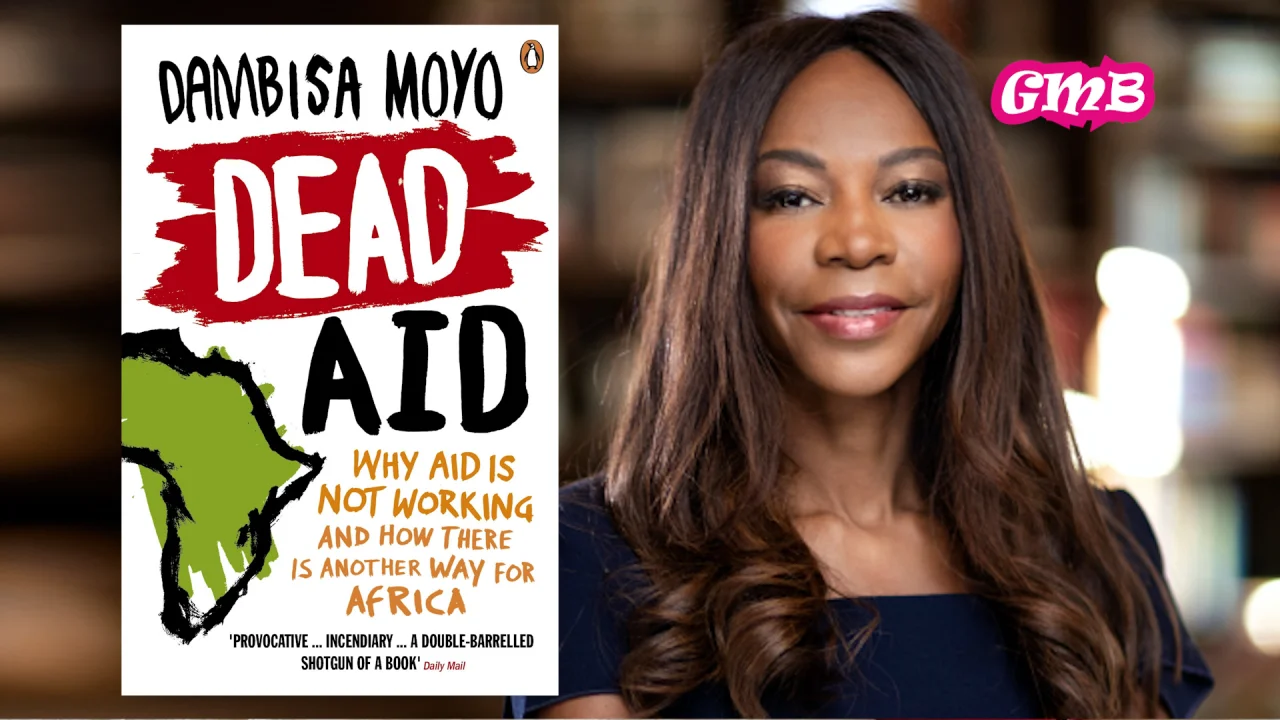
There’s a moment in this book that made me pause—not because it was shocking, but because it felt… uncomfortably logical.
What if the very thing we’ve been told is helping Africa… is actually keeping it stuck?
Not in some dramatic, conspiracy-theory way. But in a slow, quiet, systemic way. The kind of harm that doesn’t scream—it lingers.
And that’s the unsettling space Dead Aid by Dambisa Moyo pulls you into.
What Kind of Book Is This?
This is a non-fiction, economic and political critique about the global aid system and its long-term impact on Africa.
Tone: Direct, provocative, analytical
Pace: Moderate (dense ideas, but very readable)
Themes: Dependency, corruption, economic growth, global inequality, governance
This book is for readers who:
-
Want to question widely accepted global systems
-
Enjoy books that challenge political and economic narratives
This book is NOT for readers who:
-
Want a feel-good story about global development
-
Prefer simple, one-sided solutions
👉 The edition I read is available here:
https://amzn.to/3MLP6yM
Why This Book Hits Hard (The Emotional Core)
This isn’t just a book about money.
It’s about power—who has it, who pretends to give it away, and who actually loses it in the process.
Moyo’s central argument is brutally simple:
Aid has trapped Africa in a cycle of dependency.
And once you sit with that idea, it starts to reshape everything.
She doesn’t just say aid fails—she shows how it quietly rewards bad leadership, fuels corruption, and disconnects governments from their own people. If leaders don’t depend on taxes from citizens, they don’t need to be accountable to them.
That part stayed with me.
Because it flips the usual narrative. We often think:
More aid = more help.
But Moyo asks:
What if more aid = less responsibility?
And then there’s the uncomfortable question she doesn’t fully resolve:
If aid disappeared tomorrow… would things get worse before they get better?
That tension sits at the heart of the book. There are no clean answers—just sharper questions.
A Glimpse of the Argument (No Spoilers, Just the Setup)
The book is structured around a bold contrast:
-
A world with aid — where billions flow into African governments
-
A world without aid — where countries must rely on markets, trade, and investment
The conflict is clear:
Should struggling nations continue receiving financial support…
or should they be pushed—perhaps painfully—toward self-sustaining economic systems?
It’s not just an economic debate. It’s a moral one.
Who This Book Is Perfect For
You’ll enjoy this book if:
-
You like books that challenge your worldview
-
You enjoy economic or political thought pieces
-
You read non-fiction to think, not just to agree
You might struggle with this book if:
-
You prefer clear-cut heroes and villains
-
You want emotionally comforting conclusions
-
You dislike controversial arguments
👉 If this sounds like your kind of book, you can get it here:
https://amzn.to/3MLP6yM
My Honest Verdict
This isn’t an easy book to agree with.
And that’s exactly why it works.
What worked:
-
Moyo’s arguments are sharp, data-driven, and confident
-
She explains complex economic ideas in surprisingly clear language
-
The book forces you to rethink deeply ingrained assumptions
What didn’t fully work:
-
Some solutions feel idealistic or difficult to implement in reality
-
The idea of prioritizing economic growth over democracy will make many readers uncomfortable
-
It sometimes feels like the alternatives aren’t as deeply explored as the critique
But even with those flaws…
This isn’t a perfect book — but it’s a necessary one.
And those are even rarer.
Final Thoughts & Recommendation
I kept thinking about that opening idea long after I finished the book.
Not the statistics. Not the policies.
Just the question:
What if “help” has conditions we never questioned?
Dead Aid doesn’t try to make you feel good. It doesn’t try to reassure you. It challenges you—sometimes uncomfortably—to rethink how Africa relates to the world, and how the world relates to Africa.
If you’re the kind of reader who doesn’t mind sitting with difficult ideas… this book will stay with you.
👉 If you’d like to read the same edition I did, here’s the link:
https://amzn.to/3MLP6yM
Similar Books You Might Like
-
The White Man’s Burden by William Easterly
-
Poor Economics by Abhijit Banerjee & Esther Duflo
Best Format to Read This Book
Paperback — gives you space to pause, reflect, and maybe re-read sections. This isn’t a book you rush.