 English
 French
 German
 Russian
 中文
中文

Fate Doesn’t Knock—It Breaks the Door Down
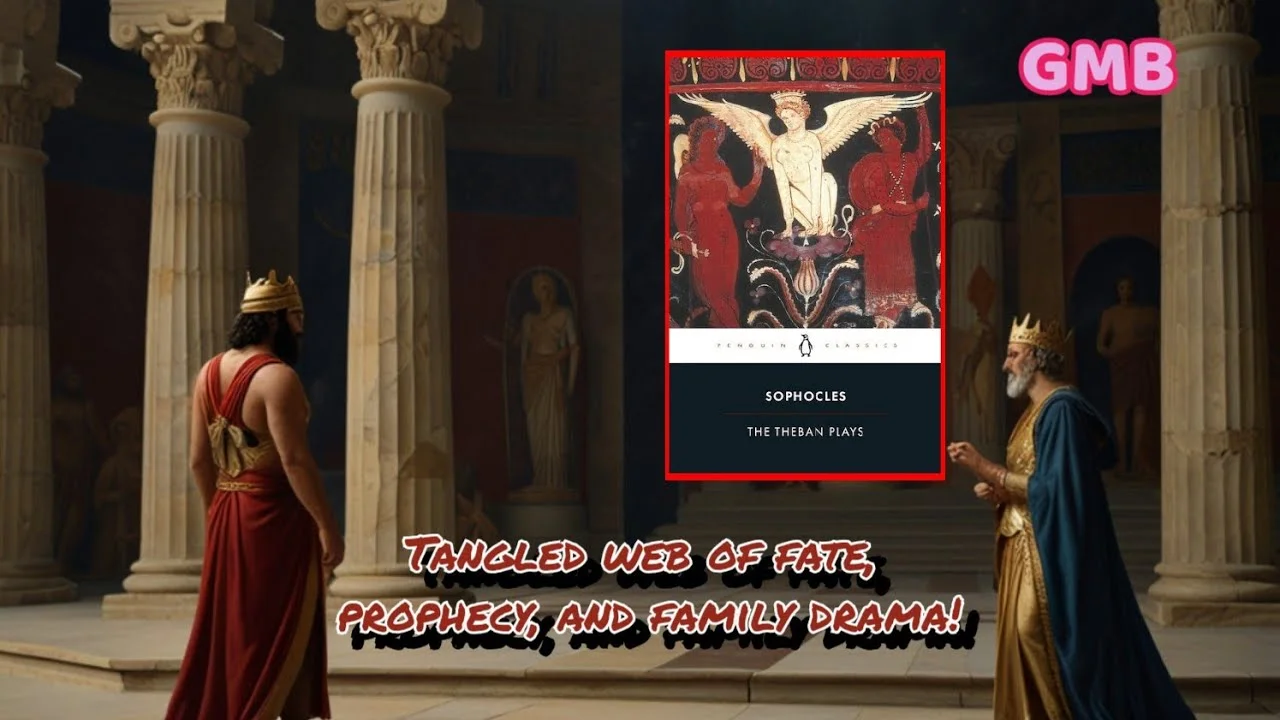
There’s a moment—somewhere between prophecy and panic—where you realize these stories aren’t just ancient myths. They’re warnings.
Reading The Oedipus Cycle by Sophocles felt less like revisiting a classic and more like watching a slow, inevitable collapse… one decision at a time. You already know things will end badly. The tension comes from how stubbornly everyone walks toward it anyway.
And somehow—despite all the doom—there’s something almost darkly funny about it.
What Kind of Story Is This?
This is a Greek tragic drama about fate, pride, and the dangerous illusion of control.
-
Tone: Dark, intense, occasionally ironic
-
Pace: Moderate (driven by dialogue and revelation)
-
Themes: Fate vs free will, power, blindness (literal and metaphorical), justice, family
This collection includes three plays:
-
Oedipus Rex
-
Oedipus at Colonus
-
Antigone
This book is for readers who:
-
Enjoy morally complex stories
-
Like philosophical questions more than action
-
Appreciate character-driven tragedy
This book is NOT for readers who:
-
Want fast-paced plots
-
Need happy endings
-
Prefer clear heroes and villains
👉 The edition I read is available here:
https://amzn.to/3YcVIsB
A Brief, No-Spoiler Overview
At the center of these plays is a cursed royal family in Thebes.
A king tries to outsmart a prophecy… and fulfills it instead.
A daughter defies the law to honor her brother… and pays the price.
A broken man searches for peace after a lifetime of suffering… and finds it in the most unexpected way.
Each story builds on the last, creating a chain reaction of consequences—where every attempt to fix things only makes them worse.
Analysis & Review: Why This Still Hits Hard
1. The Brutal Honesty About Human Nature
What makes these plays unforgettable isn’t the tragedy—it’s the recognition.
You see yourself in:
-
Oedipus’s need to know the truth (even when it destroys him)
-
Creon’s stubborn belief that authority equals righteousness
-
Antigone’s refusal to compromise her values
These aren’t villains. They’re people who refuse to bend—and break because of it.
2. Fate vs Free Will Feels Uncomfortably Real
The big question:
Are these characters doomed… or just making terrible choices?
Oedipus tries to escape his fate—runs from it, even.
And every step he takes toward freedom pulls him closer to disaster.
That tension—between destiny and decision—is what gives the story its weight. It doesn’t give you answers. It leaves you unsettled.
3. Antigone Steals the Entire Show
If one character lingers long after you finish, it’s Antigone.
She’s not powerful. She’s not strategic.
But she is absolutely unshakable.
In a world obsessed with authority and control, she chooses moral conviction over survival.
And that choice? It’s both inspiring and terrifying.
4. The Weakness: It Can Feel Distant
Let’s be honest—this isn’t the easiest read.
-
The language (depending on translation) can feel formal
-
The pacing relies heavily on dialogue
-
Some emotional moments feel restrained compared to modern storytelling
But if you push through that barrier, the ideas hit harder than most contemporary novels.
Why This Story Still Matters
Because nothing here is outdated.
-
Leaders still confuse power with wisdom
-
People still ignore uncomfortable truths
-
Families still fracture over pride and principle
And maybe the most uncomfortable truth:
We still believe we’re in control… right until we’re not.
This isn’t just a tragedy about ancient kings.
It’s about what happens when certainty replaces humility.
Conclusion & Recommendation
This isn’t a comforting read—but it’s an important one.
If you’re looking for something entertaining, this might feel heavy.
But if you’re looking for something that stays with you, challenges you, and quietly unsettles your assumptions…
This is worth your time.
👉 If you’d like to explore the same edition:
https://amzn.to/3YcVIsB
Final Thoughts
There’s something strangely powerful about stories where the ending is inevitable.
You watch Oedipus search for truth.
You watch Antigone stand her ground.
You watch Creon refuse to listen.
And the whole time, you’re thinking:
“If they just stopped… if they just changed…”
But they don’t.
And maybe that’s the point.
These plays don’t just tell a story.
They hold up a mirror—and ask how different we really are.