 English
 French
 German
 Russian
 中文
中文

The Quiet Horror of Freedom: Why Dayward by Z.Z. Packer Stays With You
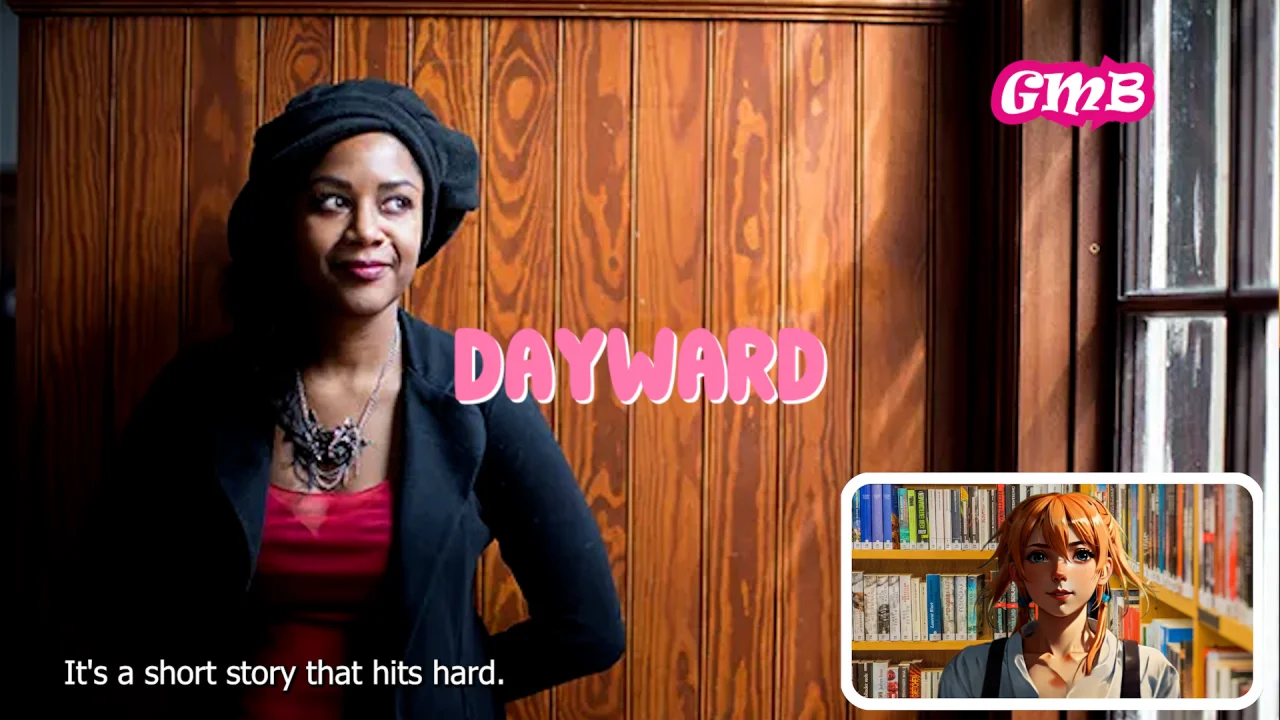
There’s a moment in this story that made me stop reading and just sit there.
A fourteen-year-old boy shoves his hand—wrapped in cloth—down the throat of a hunting dog trying to kill him and his little sister. And somehow… he wins.
But it’s not heroic in the way adventure stories usually are.
There’s no cheering. No triumphant music. Just a rotting hand, an exhausted boy, and a deaf nine-year-old girl still running.
That moment captures exactly what Dayward by Z.Z. Packer feels like: survival that is messy, painful, and quietly devastating.
I finished the story feeling like I had walked beside those children through dust, hunger, fear—and something even heavier: the strange, incomplete promise of freedom.
What Kind of Story Is This?
This is a historical literary short story about survival in the uneasy aftermath of slavery.
It isn’t really about escape.
It’s about what freedom actually looks like when the world around you hasn’t changed very much.
Tone: Quiet, haunting, darkly ironic
Pace: Slow but tense
Themes: survival, race, dehumanization, childhood lost too early, inherited trauma
This story is for readers who:
-
Appreciate literary fiction that lingers emotionally
-
Enjoy stories that explore history through intimate human experiences
-
Like authors such as Toni Morrison or Jesmyn Ward
This story is NOT for readers who:
-
Want action-heavy historical adventures
-
Need neat endings and clear emotional closure
-
Prefer light or comforting stories
👉 The story appears in Drinking Coffee Elsewhere, which you can find here: https://amzn.to/3KFBGnw
Why This Story Matters (The Emotional Core)
What stayed with me most about Dayward is that the children are technically free.
Slavery has already been abolished.
And yet… nothing feels free.
Lazarus and his sister Mary Celeste run from a plantation called Five Daughters, owned by a woman who insists the formerly enslaved are “ungrateful” for leaving after emancipation. In her mind, she fed and clothed them. That should have been enough.
The arrogance in that thinking is chilling.
Because it shows how freedom on paper doesn’t automatically erase the mindset that justified slavery in the first place.
The story quietly asks a disturbing question:
What happens when a system ends, but the thinking behind it survives?
Lazarus embodies the burden of that question. He’s fourteen but forced into adulthood by circumstances. He protects his sister, kills a dog with his bare hands, and keeps walking with an infected wound that slowly rots.
There’s no childhood left for him.
Mary Celeste’s deafness adds another layer of symbolism. She slowly loses her hearing after complaining about strange sounds. Instead of calling a doctor, the white plantation owners summon a veterinarian—the man who usually treats horses.
The message couldn’t be clearer.
To them, this child isn’t really a child. She’s livestock.
Her silence becomes symbolic. She cannot hear the world, but the world also refuses to hear her.
Z.Z. Packer never shouts these ideas. She simply places them in front of you and lets the weight settle.
And that restraint makes the story even more powerful.
A Glimpse of the Story (No Spoilers)
Two children flee a plantation shortly after emancipation.
Fourteen-year-old Lazarus leads the way while protecting his younger sister Mary Celeste, who has recently gone deaf. Behind them are hunting dogs and a plantation owner determined to bring them back.
Ahead of them lies New Orleans, where their only living relative—Aunt Minnie—might offer refuge.
But reaching her means crossing miles of wilderness with little food, a worsening infection, and memories of parents lost to the cruelty of slavery.
The real conflict isn’t just survival.
It’s whether freedom will mean anything at all.
Who This Story Is Perfect For
You’ll enjoy this story if:
-
You like fiction that explores the emotional aftermath of history
-
You appreciate stories that say a lot with very little
-
You enjoy writers like Toni Morrison who combine beauty and brutality in their storytelling
You might struggle with this story if:
-
You prefer fast-moving plots
-
You want clear heroes and villains
-
You dislike stories that leave emotional questions unresolved
👉 If this sounds like your kind of book, the collection containing this story is here: https://amzn.to/3KFBGnw
My Honest Verdict
This isn’t a comfortable story.
But it’s an important one.
What worked for me was Packer’s restraint. She never turns the narrative into melodrama. The horror of the situation unfolds through small details: an infected hand, a child treated by a horse doctor, a mother who dies before she can even be punished for attempting escape.
Those details are unforgettable.
What might frustrate some readers is the lack of closure. The story ends without grand resolutions or dramatic triumphs.
But honestly, that’s exactly why it works.
Real life rarely gives us the neat emotional endings fiction likes to promise.
And Dayward refuses to pretend otherwise.
Final Thoughts
When I think back on this story, I don’t remember a single dramatic moment.
I remember the journey.
Two children moving forward because stopping isn’t an option.
That’s what makes Dayward feel so real—and so painful. Freedom isn’t presented as a finish line. It’s simply the start of a different kind of struggle.
Z.Z. Packer writes with the quiet precision of someone who understands that history isn’t just something that happened long ago. It’s something that echoes through generations, shaping lives long after the official ending of an era.
And that’s why this short story lingers long after the final page.
👉 If you’d like to read the same collection that includes Dayward, you can find it here: https://amzn.to/3KFBGnw
Similar Books You Might Like
-
Beloved – another powerful exploration of slavery’s psychological scars
-
Homegoing – a sweeping story of generational trauma and survival