 English
 French
 German
 Russian
 中文
中文
Cut Off My Tongue by Sitawa Namwalie: A Bold Conversation About Tribe, Land, and Identity
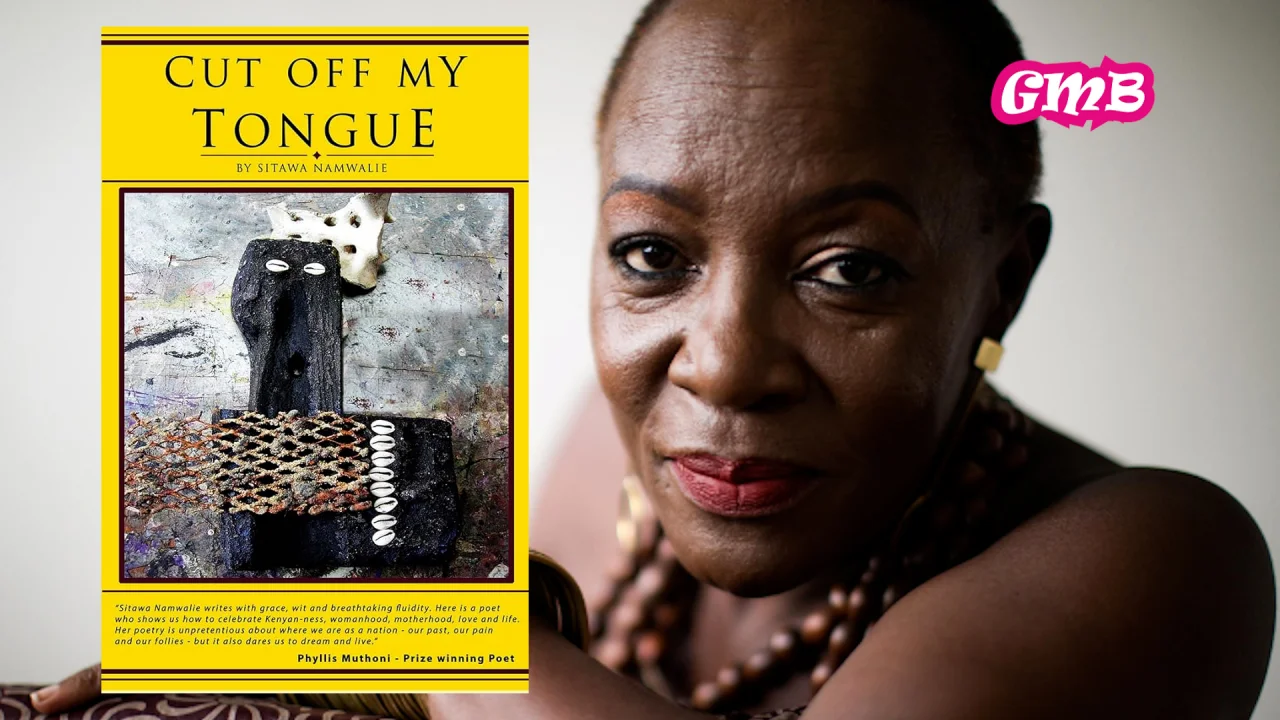
You know you’re in for something extraordinary when a poet dares to ask: “Must I cut off my tongue?” That’s not just a line—it’s a challenge, a confrontation, a call to rethink how we see ourselves and the world around us. Sitawa Namwalie’s Cut Off My Tongue is precisely that kind of book: unflinching, lyrical, and impossible to ignore. It grabs you by the collar, shakes you a little, and whispers, “We need to talk about your tribe, your land, and why you think you own either of them.”
My first encounter with Namwalie wasn’t on the page—it was live at the Museum in Kampala, Uganda. Watching her perform her poetry, I left buzzing, my mind like an over-caffeinated bee. Bold, unflinching, and beautifully lyrical, her words confront uncomfortable truths without ever losing their grace. And this live energy carries straight into the pages of Cut Off My Tongue.
👉 You can find this edition here on Amazon
What This Book Is About
Cut Off My Tongue is a powerful anthology of twenty-five poems and four essays by Kenyan poet Sitawa Namwalie. From the first poem to the last essay, Namwalie tackles identity, tribe, politics, and land with a sharp tongue and poetic rhythm that refuses to soften the truth.
At its heart, this collection explores questions of personal, tribal, and African identity. Why do divisions persist? Why do old wounds bleed into new conflicts? And what does it mean to belong to a place—or people—while resisting the pressures of hate and exclusion?
The opening poem, “Language of Tribe,” sets the tone with piercing questions:
“I wanted to know
What is this thing
That has us all by the neck:
What does it look like?
How does it feel?
How do we live with it?”
Namwalie exposes the absurdity of tribal divides, where someone who once shared laughter with neighbors suddenly glares across a yawning social abyss, poisoned by whispers of political manipulation. She doesn’t offer tidy answers—because some questions aren’t meant to be answered. They’re meant to confront us.
Tribe and Land: The Heart of the Conversation
Tribe and land are inseparable in Namwalie’s work. In “Land of Guiltless Natives,” she confronts colonial legacies with razor-sharp sarcasm:
“But let's not blame all the British.
The set that came to Kenya
Is guilty of this particular mania...”
Through such lines, she exposes how land, power, and identity remain entangled in inherited systems of division. It’s history held up to the present day—a reminder that the conflicts we inherit are not accidental, but crafted and maintained over centuries.
“Cut Off My Tongue”: The Title Poem
The poem “I Come From Everywhere” delivers some of the anthology’s most stirring reflections. Namwalie speaks to the fluidity of human identity, the mixture of migrations, bloodlines, and cultures. Her defiance is poetic and profound:
“There is no purity in my people;
We're a blend from everywhere.
So what should I do with your call to hate?
Must I cut off my tongue...
Then tell me this,
How do I mutilate my soul?”
It’s impossible to read these lines and not pause, reflect, and reconsider the very notion of tribal purity or division.
The Brutality of Tribal Conflict
Namwalie doesn’t shy away from the darker side of identity politics. Poems like “Would You?” and “The Carcass of the House” confront violence and human cruelty head-on:
“Walls stand brooding alone
The carcass of a house still stands...”
Her writing turns pages into scars, revealing what happens when tribalism overrides humanity. These are poems that linger long after the book is closed, haunting in their honesty.
The Power of Names: Say My Name & Nameless
Identity isn’t just about tribe or land—it’s also in the names we carry. In “Say My Name” and “Nameless,” Namwalie explores the weight of names, the danger of erasure, and the pride of claiming one’s own voice. Through this, she reminds us that asserting identity is an act of courage and defiance.
Personal Insights: Why This Book Matters
Cut Off My Tongue isn’t just poetry—it’s a performance on the page. It challenges assumptions, confronts uncomfortable truths, and demands reflection. Namwalie is blunt without losing musicality; her sarcasm can make you laugh, while her honesty can bring tears.
Themes of identity, tribe, land, politics, unity, and humanity weave through the collection seamlessly. Ultimately, the book asks us to look beyond arbitrary divisions and reconsider what it means to belong.
About the Author
Sitawa Namwalie is a Kenyan poet and performer, and her performative roots shine in every line. Each poem feels alive, meant to be spoken, shouted, or whispered. Her voice bridges page and stage, demanding engagement from anyone willing to listen.
Who Should Read This Book
You’ll love Cut Off My Tongue if you:
-
Enjoy poetry that challenges social and political norms
-
Are interested in African identity, post-colonial history, and tribal dynamics
-
Want writing that’s both lyrical and fiercely honest
You might struggle with this book if you:
-
Prefer light, escapist reading
-
Need tidy conclusions or simplistic portrayals of good vs. evil
Final Thoughts & Recommendation
This anthology is necessary reading for anyone willing to confront identity, prejudice, and belonging. It’s bold, unflinching, and unforgettable. I walked away questioning my assumptions, reconsidering divisions, and appreciating the power of poetry to hold a mirror to society.
If you ever get the chance to watch Sitawa Namwalie perform these poems live, don’t miss it. Her work will stay with you, as it has with me since that unforgettable evening in Kampala.
👉 Grab your copy of Cut Off My Tongue (StoryMoja, 2009) here: Amazon Link