 English
 French
 German
 Russian
 中文
中文

When History Hunts Men: Reading Carcase for Hounds
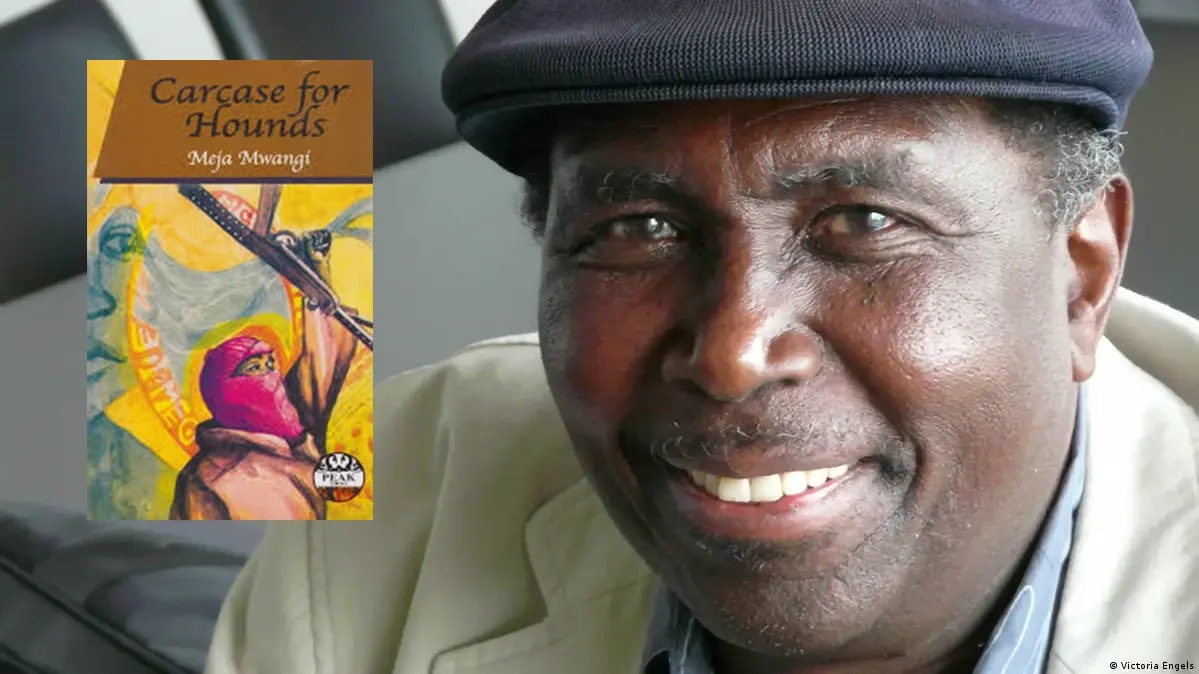
There’s a moment in Carcase for Hounds where the rain never seems to stop. Roads turn to mud, camps rot from within, and men—on both sides of the conflict—begin to look less like soldiers and more like hunted animals. That was the moment I realised this novel isn’t really about the Mau Mau rebellion alone. It’s about pursuit. About being chased, cornered, and slowly stripped of your humanity.
This is not a comfortable book. It doesn’t ask you to pick a side and cheer. It asks you to watch, quietly, as violence multiplies itself and loyalty collapses under pressure. Long after I finished the last page, what stayed with me wasn’t who won or lost—but how easily everyone became expendable.
👉 You can find the edition I read here: Carcase for Hounds by Meja Mwangi
What Kind of Novel Is Carcase for Hounds?
This is a historical-political novel set during the Mau Mau uprising in colonial Kenya, but it reads more like a psychological war narrative than a conventional history lesson.
Tone: Dark, tense, occasionally grimly ironic
Pace: Moderate, tightening as the hunt intensifies
Themes:
-
Power and obsession
-
Colonial brutality
-
Betrayal and moral compromise
-
Dehumanisation during war
This book is for readers who:
-
Enjoy African historical fiction that refuses to romanticise resistance
-
Like morally complex characters rather than heroes
This book is not for readers who:
-
Want clear good-versus-evil narratives
-
Prefer fast-paced action without reflection
The Story Beneath the Gunfire
At the centre of the novel are two men locked in mutual obsession.
General Haraka, a feared Mau Mau leader operating from the forests, is ruthless, charismatic, and deeply scarred by colonial injustice. His hatred for Captain Kingsley is personal, festering, and obsessive. Kingsley, on the other hand, is a British officer under immense pressure—from the jungle, from the Mau Mau, and from his own superiors.
Their conflict isn’t heroic. It’s exhausting.
Kingsley is hounded by Brigadier Thames and the Emergency Council, constantly reminded that failure is not an option. Haraka, meanwhile, is hunted by soldiers, home-guards, collaborators, and eventually by history itself. No one is free. Everyone answers to someone.
What struck me most is how the novel shows bureaucracy as violence. Orders come from afar, detached and clinical, but their consequences are immediate and bloody. Villages burn, innocent people die, and responsibility dissolves into paperwork.
👉 If you want to experience this tension firsthand, this is the version I recommend: Carcase for Hounds on Amazon
Chiefs, Collaborators, and the Cost of Survival
One of the novel’s most disturbing achievements is its portrayal of African chiefs and home-guards. Figures like Chief Kahuru and Chief Simba are neither villains nor victims—they are survivors navigating an impossible moral terrain.
Chief Kahuru’s guilt after violent raids is one of the quiet tragedies of the book. He cannot tell whether the bullets he fired killed rebels or innocents—and the novel refuses to answer that for him. In this world, moral clarity is a luxury no one can afford.
Meanwhile, characters like Corporal Njoro expose another layer of colonial damage: ambition twisted into cruelty. His desire for promotion outweighs any concern for truth or justice, showing how colonial systems reward betrayal over integrity.
Why the Title Carcase for Hounds Matters
The title is not subtle—and it shouldn’t be.
Kenya itself is the carcase: claimed, consumed, and fought over by colonial powers. The British forces behave like hounds, relentless and methodical, chasing control at any cost. But within that larger metaphor, individuals also become carcases.
Haraka is hunted by Kingsley.
Kingsley is hunted by his superiors.
Chiefs hound villagers.
Villagers hound each other through suspicion and fear.
By the end, no one is clean. No one is untouched.
This is what gives the novel its enduring power. It doesn’t glorify resistance or justify colonial rule. It shows how violence corrupts everyone it touches—and how freedom, when pursued through blood alone, leaves ghosts behind.
A Glimpse of the Story (No Spoilers)
The novel follows a military hunt through forests, villages, and collapsing loyalties. Arms raids, informants, failed negotiations, and broken alliances drive the narrative. As injuries mount and allies desert, the question shifts from who will win to who will survive with their soul intact.
My Honest Verdict
This isn’t an easy novel—but it’s an important one.
What worked:
-
The psychological depth of both colonial and Mau Mau characters
-
The refusal to sentimentalise violence
-
The symbolic weight of the setting and title
What didn’t:
-
Some readers may find the emotional distance unsettling
-
There are no comforting resolutions
Still, I recommend it—especially for readers interested in African history told without propaganda or nostalgia.
👉 You can read the same edition I did here: Carcase for Hounds (Amazon link)
Final Thoughts
Carcase for Hounds is not a novel you finish and forget. It lingers, like the damp cold of the forest it describes. It forces you to confront uncomfortable truths about power, resistance, and the cost of survival under colonial rule.
If you’re drawn to African literature that challenges rather than reassures—stories that ask hard questions and refuse easy answers—this book deserves your time.
History doesn’t repeat itself quietly. And neither does this novel.
Optional Add-Ons
Similar Books You Might Like
-
Weep Not, Child – Ngũgĩ wa Thiong’o
-
A Grain of Wheat – Ngũgĩ wa Thiong’o
Best Format to Read This Book
-
Paperback – the slow, deliberate pacing suits physical reading and reflection