 English
 French
 German
 Russian
 中文
中文

African Short Stories: A Literary Safari Across the Continent
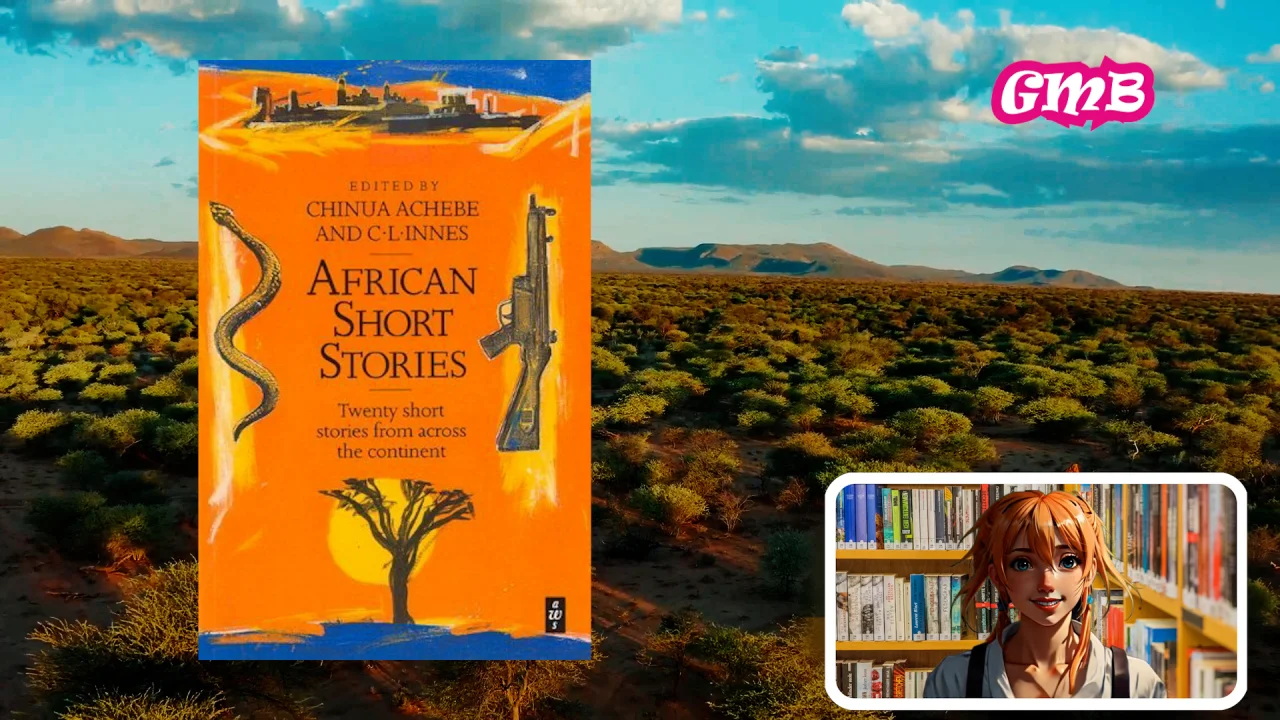
Have you ever invited someone into your home just to be polite, only to find your furniture rearranged, your Netflix password changed, and yourself standing outside wondering what just happened? That chaotic, unpredictable energy perfectly captures the Africa you’ll encounter in African Short Stories, edited by the legendary Chinua Achebe and C.L. Innes. This anthology doesn’t just tell stories; it transports you across Africa’s diverse landscapes, cultures, and histories, from West to South, North to East, capturing greed, love, betrayal, and the occasional snake—yes, a literal snake.
Whether it’s a man hustling in God’s name, a coffee-cart girl caught in apartheid, or an elephant evicting a man from his hut, this collection blends humor, tragedy, and social critique. It’s a continent on paper, and each story is a window into African life, politics, and imagination.
👉 Grab your copy of African Short Stories on Amazon to join this literary safari.
What Kind of Stories Are These?
This anthology is a collection of short stories spanning the entire African continent, including Francophone, Lusophone, and Anglophone regions, and even a few from North Africa—rare for most anthologies.
Tone: Humorous, satirical, reflective, and sometimes dark.
Pace: Varies from brisk to contemplative depending on the story.
Themes: Colonialism, migration, greed, love, hypocrisy, societal change, survival, and identity.
This book is for readers who:
-
Want a panoramic view of Africa beyond headlines.
-
Appreciate short stories with political, social, and emotional depth.
-
Enjoy diverse literary voices and cross-cultural storytelling.
This book is NOT for readers who:
-
Prefer linear narratives with traditional endings.
-
Avoid morally ambiguous or ironic storytelling.
Journey Through the Stories: A Continent in Print
West Africa: Hustlers, Dreams, and Karma
West Africa sets the tone with stories that range from satirical to heartbreaking. Sembene Ousmane’s The False Prophet introduces Mahmoud Fall, a man who reinvents himself as a holy man to reap gifts from the villagers—only to be outwitted by someone craftier. “He ate to his fill and always asked for the choicest foods.” The story is a lesson in hubris and karma.
Ama Ata Aidoo’s Certain Winds from the South tackles migration and family tensions. Issa wants to move south to provide for his family, but his mother-in-law objects. The dialogue captures the universality of ambition versus tradition:
“But my son, why must you travel that far just to cut grass?”
“M’ma, you know it is not the same…”
Odun Balogun’s The Apprentice is symbolic of Africa itself—once kings, now pulled in conflicting directions by colonial forces, struggling to carve out independence.
David Owoyele’s The Will of Allah gives us dark humor at its finest: two thieves steal a gourd, only to discover it houses a deadly snake. When God says “don’t steal,” He means it.
Finally, Chinua Achebe’s Civil Peace offers optimism amidst hardship. Jonathan Iwegbu survives war and loss yet counts his blessings in a way that borders on absurd positivity.
East Africa: Elephants, Corruption, and Post-Colonial Irony
East Africa’s stories are rich in satire and social critique. Jomo Kenyatta’s The Gentlemen of the Jungle portrays colonial injustice through a literal elephant evicting a man from his home—a sharp critique of colonial power.
Grace Ogot’s Green Leaves teaches a cautionary lesson about greed: Nyagar’s attempt to rob a supposedly dead thief backfires spectacularly.
Leonard Kibera’s The Spider’s Web and Ngugi wa Thiong’o’s Minutes of Glory explore post-independence disillusionment and identity. Ngotho learns that independence hasn’t freed everyone equally, while Beatrice’s quest for recognition highlights the clash between African pride and Western beauty standards.
Abdulrazak Gurnah’s Bossy remains enigmatic, but it adds a layer of political tension that reflects the complexity of East African societies.
Northern Africa: Family, Greed, and Subtle Heartbreak
Northern African stories turn inward, examining family and morality. Alifa Rifaat’s An Incident in the Ghobashi Household exposes the lengths a mother will go to conceal her daughter’s pregnancy.
Tayeb Salih’s A Handful of Dates presents heartbreak with subtlety: a boy discovers his grandfather’s greed has destroyed another man’s life.
Mohammed El-Bisatie’s A Conversation from the Third Floor is quiet yet powerful, portraying the slow erosion of relationships under societal constraints.
Southern Africa: Apartheid, Psychedelia, and Rebellion
Southern Africa is a mix of political critique and experimental narrative. B.L. Honwana’s Papa, Snake, and I examines universal hypocrisy through neighborly rivalry and snake bites.
Nadine Gordimer’s The Bridegroom and Ahmed Essop’s The Betrayal confront apartheid’s moral dilemmas and political hypocrisy.
Dambudzo Marechera’s Protista pushes boundaries with surreal, existential imagery—a tree, a protista, a fever dream. Ezekiel Mphahlele’s The Coffee-Cart Girl and Bessie Head’s Snapshots of a Wedding highlight love, loss, and social pressures under apartheid.
Finally, Mafika Gwala’s Reflections in a Cell captures generational rebellion in a brief yet resonant story.
Analysis & Review: What Makes This Anthology Shine
Strengths:
-
Diversity of Voices: From Francophone Senegal to Lusophone Mozambique, the anthology spans languages, cultures, and colonial histories.
-
Range of Styles: Satire, magical realism, existentialism, dark humor—you get it all.
-
Cultural Insight: These stories give a raw, nuanced perspective of African life, both urban and rural.
Weaknesses:
-
Not every story lands perfectly; some, like Gurnah’s Bossy, may confuse readers on first pass.
-
The thematic breadth can make the collection feel uneven at times.
Personal Insight:
Reading this anthology feels like traveling Africa in a single sitting. You laugh, you wince, and sometimes you just shake your head. But that’s the beauty of Achebe and Innes’ curation—they didn’t aim for uniformity; they aimed for authenticity.
Who Should Read African Short Stories
You’ll enjoy this book if:
-
You love African literature and want a continental overview.
-
You enjoy satire, irony, and morally complex stories.
-
You read fiction to think, reflect, and experience new perspectives.
You might struggle with it if:
-
You need tidy resolutions and traditional storytelling.
-
You prefer novels over short story collections.
👉 Check out African Short Stories on Amazon and start your journey today.
Final Thoughts
African Short Stories, edited by Chinua Achebe and C.L. Innes, isn’t just an anthology—it’s a literary safari. From elephants who evict humans to thieves undone by snakes, from post-colonial disillusionment to experimental fever dreams, the collection is a mosaic of Africa’s struggles, humor, and resilience.
Some stories hit harder than others, but the overall experience is unforgettable. It’s a must-read for anyone curious about the continent beyond the headlines and clichés.
So grab a copy, dive in, and prepare to see Africa in all its vibrant, messy, brilliant glory. And remember… watch out for snakes in gourds.