 English
 French
 German
 Russian
 中文
中文

This Book Doesn’t Let You Look Away from the Truth
There’s a moment in this book where I had to stop reading.
Not because I was confused—but because I was uncomfortable.
It wasn’t the violence alone. It was the realization creeping in quietly, almost unwillingly: this didn’t just happen to us… we helped make it happen.
That thought lingers longer than any brutal scene. It sits with you. It accuses you.
And once it’s there, you can’t unread it.
What Kind of Novel Is This?
This is a historical, deeply unsettling, emotionally heavy novel about complicity, identity, and the brutal machinery of the Atlantic slave trade.
Tone: Dark, disturbing, reflective
Pace: Moderate (but emotionally intense)
Themes: Slavery, power, betrayal, identity, greed, disunity, cultural inferiority
This book is for readers who:
- Want African history without romantic filters
- Are willing to sit with uncomfortable truths
This book is NOT for readers who:
- Want light or escapist storytelling
- Prefer clear heroes and villains
👉 The edition I read is available here:
https://amzn.to/4oFxfae
Why This Story Matters (Emotional Core)
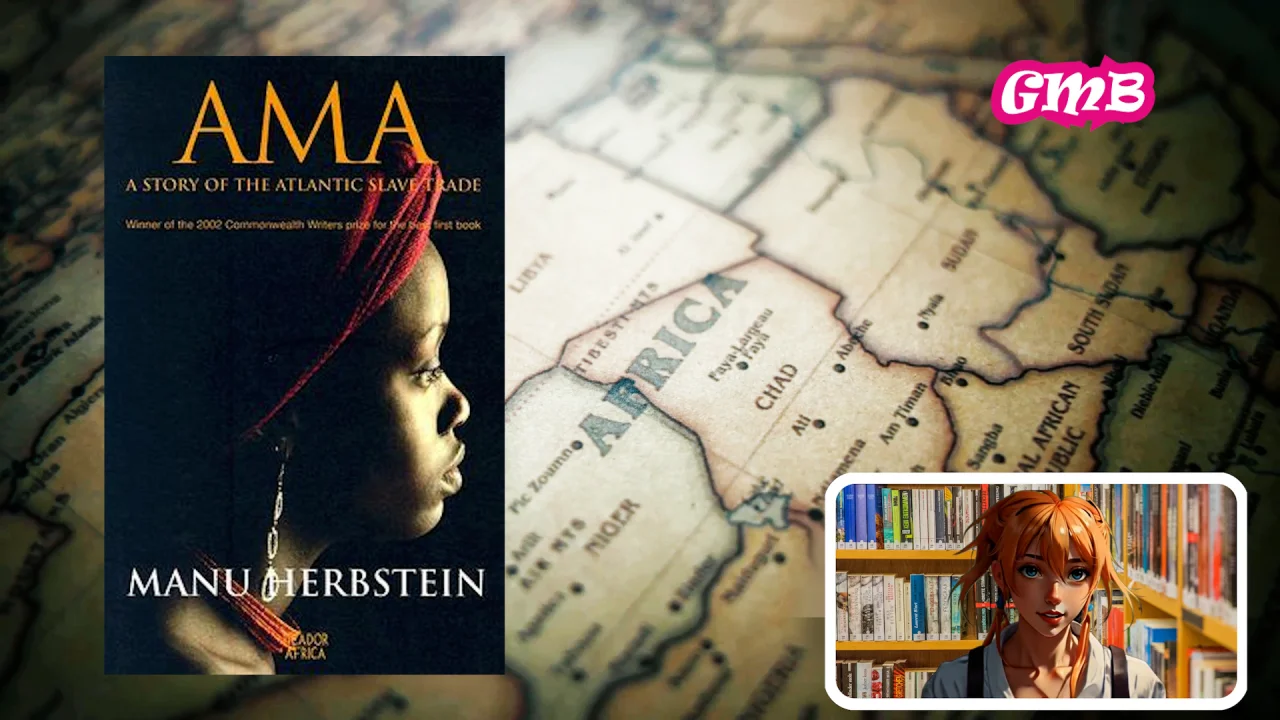
What makes Ama: A Story of the Atlantic Slave Trade so powerful isn’t just what it shows—but what it refuses to let you ignore.
This isn’t a story about innocent victims and obvious villains.
It’s about systems.
It’s about choices.
It’s about people—on all sides—participating in something monstrous.
The novel quietly asks a question that never fully resolves:
If profit and power are on the table… how different would we have been?
And that’s what makes it relevant today.
Because the book isn’t just about chains and ships. It’s about mindsets:
- The obsession with status
- The willingness to betray your own for gain
- The internalized belief that someone else is inherently superior
Those things didn’t end with slavery.
They just changed form.
What stayed with me most wasn’t a single character—it was the pattern. The repetition of disunity, greed, and silence. The way people adapted to oppression instead of resisting it together.
The book doesn’t comfort you.
It confronts you.
A Glimpse of the Story (No Spoilers)
A young girl is taken from her home after her people are forced to pay a human “tax.”
She is renamed. Resold. Moved across systems that treat her not as a person—but as currency.
As her journey unfolds, she moves through:
- Royal courts
- Slave markets
- Coastal forts
- Ships bound for the unknown
At every stage, she faces a different version of the same question:
What does survival cost?
Who This Book Is Perfect For
You’ll enjoy this novel if:
- You like books that challenge your worldview
- You enjoy historically grounded, emotionally intense stories
- You read fiction to understand—not just to escape
You might struggle with this book if:
- You prefer fast-paced, plot-driven narratives
- You need moral clarity in characters
- You dislike graphic or disturbing content
👉 If this sounds like your kind of book, you can get it here:
https://amzn.to/4oFxfae
My Honest Verdict
This isn’t an easy novel to read—and it’s not trying to be.
What worked:
- The historical depth is incredible. You feel the weight of research in every scene.
- The refusal to simplify history into “good vs evil” makes it more honest.
- The emotional impact is lasting. This book stays with you.
What didn’t fully work:
- Some moments feel overly dramatic, especially in emotional reunions
- The pacing can feel heavy because of the intensity of events
- It’s not a “smooth” reading experience—it demands effort
This isn’t a perfect novel—but it’s an honest one.
And those are rare.
Final Thoughts & Recommendation
Ama: A Story of the Atlantic Slave Trade is not a book you read for enjoyment.
It’s a book you read for clarity.
If you’ve ever thought you understood the slave trade, this story will complicate that understanding in the best—and most uncomfortable—way possible. It strips away the distance we often place between ourselves and history.
And maybe that’s the point.
Because the moment you stop seeing this as their story and start recognizing it as our story… everything changes.
👉 If you’d like to read the same edition I did, here’s the link:
https://amzn.to/4oFxfae
About the Author
Manu Herbstein brings a unique perspective to this story. Born in South Africa and having lived across multiple continents, his exposure to African history and the legacy of slavery is deeply personal. His visit to Elmina Castle shaped much of this novel—and you can feel that emotional weight throughout the book.
Optional: Similar Books You Might Like
If this book impacted you, you might also explore:
- The Beautyful Ones Are Not Yet Born by Ayi Kwei Armah
- Roots by Alex Haley
Best Format to Read This Book
Paperback is ideal.
This is not a story you rush through—you’ll want to pause, reflect, and sometimes step away.
If you pick up this book, don’t expect comfort.
Expect truth.