 English
 French
 German
 Russian
 中文
中文

Twenty Stories. One Continent. A Whole Emotional Earthquake.
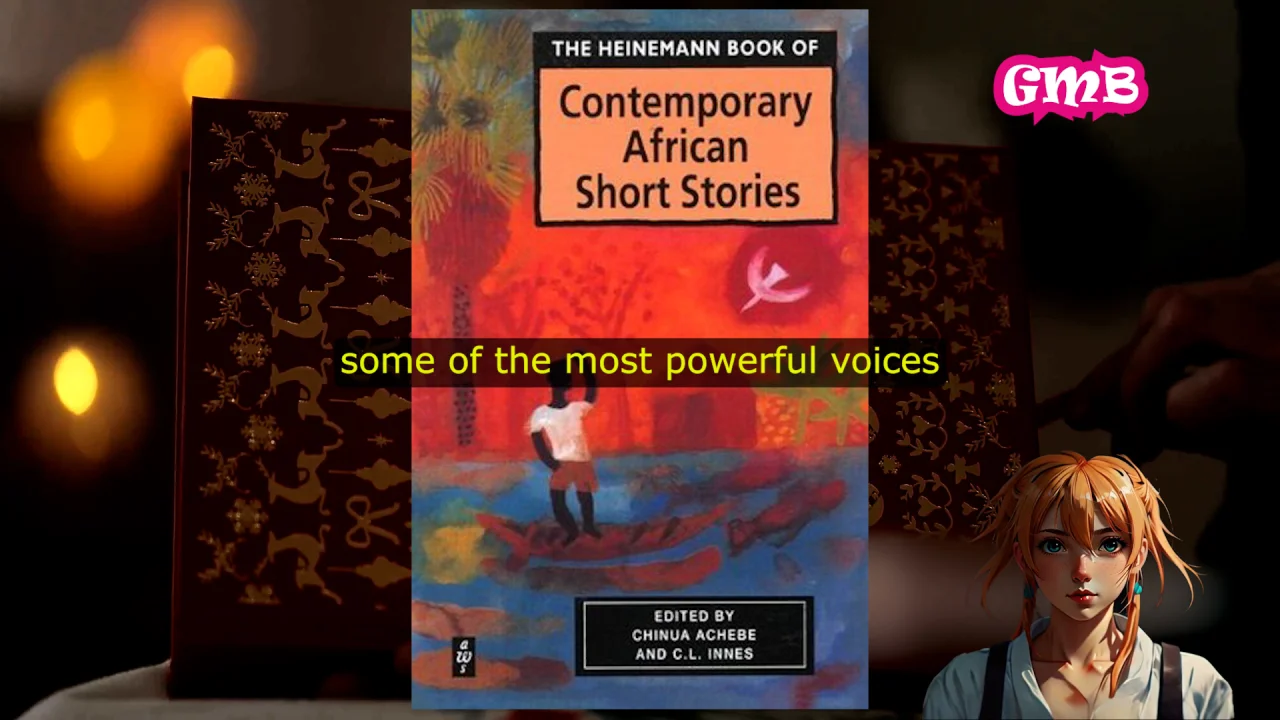
Halfway through this book, I had to close it and just sit still.
Not because it was confusing.
Not because it was boring.
But because one story had just ended with a child staring at a broken toy airplane pulled from a garbage dump… and somehow that tiny image felt heavier than an entire novel.
That’s what this anthology does to you.
It sneaks up quietly, then hits hard.
One minute you’re laughing at a dictator hiding behind crocodiles and barbed wire.
The next minute you’re watching a woman get denied permission to visit her fiancé in prison under apartheid.
Then suddenly a fisherman is feeding magical birds while his family starves.
It feels less like reading a book and more like walking through Africa itself — street by street, voice by voice, wound by wound.
What Kind of Book Is This?
This is a literary short story anthology about power, survival, belief, and everyday life across Africa.
Tone: reflective, political, sometimes dark, occasionally humorous, often heartbreaking
Pace: moderate (short stories make it easy to pause and breathe)
Themes: colonialism, dictatorship, poverty, migration, faith, identity, family, resilience
This book is for readers who:
-
love literary fiction with meaning
-
enjoy stories that challenge and provoke thought
-
want to experience many African voices, not just one country
This book is NOT for readers who:
-
want fast plots or thrillers
-
prefer neat endings and clear heroes
-
don’t enjoy symbolism or realism mixed with satire
👉 The edition I read is available here:
Contemporary African Short Stories (Paperback – Achebe & Innes)
Why This Book Matters (Emotional Core)
What stayed with me wasn’t any single plot.
It was the feeling.
The feeling that history isn’t abstract — it’s personal.
Apartheid isn’t just politics; it’s a woman saving money for years just to be told she needs a permit to visit the man she loves.
War isn’t strategy; it’s empty shelves and a family with nothing but the clothes on their backs.
Dictatorship isn’t speeches; it’s paranoia, moats filled with crocodiles, and leaders terrified of their own people.
And yet…
There’s humor too.
A story about birds that might be divine tests.
Weaver birds parodying British colonizers with a rewritten Lord’s Prayer.
A golden lorry announcing a “Vacancy for the Post of Jesus Christ.”
It’s absurd. It’s funny. It’s tragic.
Which is exactly what life feels like sometimes.
This anthology refuses to simplify Africa into one narrative.
It says: we are not just suffering. We are dreaming, laughing, believing, resisting.
That complexity is what makes it powerful.
After finishing, one question lingered:
Who gets to tell the story of a continent — politicians, or ordinary people?
This book answers quietly: the people do.
A Glimpse of the Stories (No Spoilers)
Across the collection you’ll find:
-
A boy terrified of a prophetess who might—or might not—hold real power
-
A garbage dump that becomes a window to the entire world
-
A paranoid dictator fortifying himself like a medieval king
-
A lonely shopkeeper too afraid to step outside his “cage”
-
A mother watching her son leave Africa for the West
-
Villagers starving while politicians make speeches
-
Magical realism, reincarnation, spirits, and satire colliding with harsh realism
Every story is a small moral dilemma.
Every character is trying to survive something larger than themselves.
The Regional Journey (What Makes This Anthology Special)
What I love most is how the editors structure it region by region.
It feels like traveling.
Southern Africa
Raw realism. Apartheid. Broken families. Quiet grief.
Stories like Gordimer’s Amnesty and Ndebele’s The Prophetess hit like emotional punches.
Central Africa
Satire meets inequality.
A rubbish dump becomes a global map. A dictator builds a fortress… and still dies.
East Africa
Migration, love, and political absurdity.
From self-made cages to magic potions that “cure curiosity,” these stories are sharp and darkly funny.
North Africa
Faith and identity.
What does it mean to belong when history keeps calling you a foreigner?
West Africa
Pure creative fireworks.
Ben Okri’s magical realism. Kojo Laing’s surreal chaos. Sallah’s hilarious colonial satire.
This section alone could be its own book.
Who This Book Is Perfect For
You’ll enjoy this novel if:
-
you like books that make you pause and think
-
you enjoy layered, symbolic storytelling
-
you read fiction to understand people, not just escape
You might struggle with this book if:
-
you prefer one continuous storyline
-
you want action-heavy plots
-
you dislike experimental or political fiction
👉 If this sounds like your kind of book, you can get it here:
Grab the anthology on Amazon
My Honest Verdict
This isn’t a perfect book — but it’s an important one.
What worked:
-
Incredible range of voices
-
Authentic regional diversity
-
Emotional depth
-
A mix of realism, satire, and magical realism
-
Stories that stay with you for days
What didn’t:
-
Some stories are dense or stylistically challenging
-
Not every piece will resonate equally
-
You can’t binge it like a novel — it demands patience
But honestly?
That’s part of its charm.
Anthologies aren’t meant to be smooth. They’re meant to be messy, like life.
And this one feels very, very alive.
Final Thoughts & Recommendation
When I think back to this book, I don’t remember plots.
I remember moments.
A broken toy airplane.
A permit denied.
A dictator hiding behind crocodiles.
A mother whispering promises to her son before he leaves home.
Small human scenes inside huge historical forces.
That’s what literature should do — shrink the world until you can feel it.
If you want one book that introduces you to the breadth of African storytelling, this is it.
Not a single voice.
A chorus.
👉 If you’d like to read the same edition I did, here’s the link:
Contemporary African Short Stories – Achebe & Innes
Happy reading. And when you finish… don’t be surprised if one of these stories quietly follows you around for days.