 English
 French
 German
 Russian
 中文
中文

This Is Not a Cozy Christmas Story — It’s a Psychological Explosion Wrapped in Tinsel
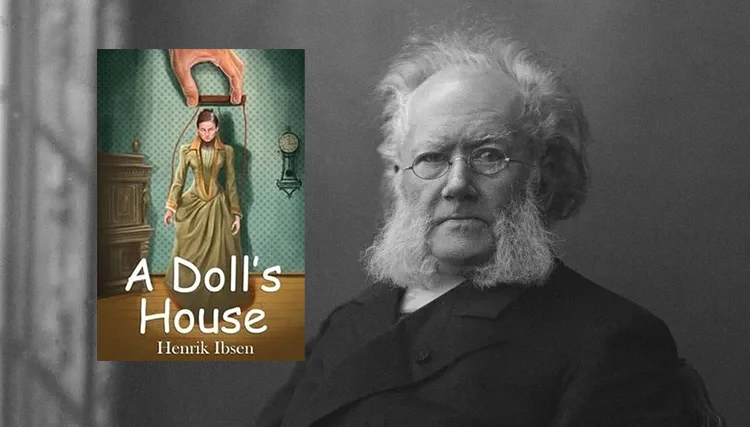
Christmas is supposed to be warm. Gentle. Comforting.
But A Doll’s House opens on Christmas Eve and somehow turns gift shopping into a ticking time bomb.
When I first revisited this play, I expected polite drama, maybe some dated moral lessons. Instead, I found secret loans, emotional manipulation, and a marriage so fragile it collapses the moment truth knocks on the door. Henrik Ibsen didn’t write a festive tale — he wrote a quiet revolution disguised as domestic drama.
This is one of those stories that starts small, almost harmless… and then refuses to let you go.
👉 The edition I read is available here: A Doll’s House by Henrik Ibsen (Amazon link)
What Kind of Story Is A Doll’s House?
This is a realist drama about identity, power, and the invisible cages people call marriage.
Tone: Quietly tense, emotionally unsettling
Pace: Moderate, but relentlessly tightening
Themes: Gender roles, autonomy, reputation, self-deception, moral courage
This book is for readers who:
-
Enjoy psychologically intense domestic dramas
-
Like stories that challenge social norms rather than comfort them
This book is not for readers who:
-
Want a cheerful holiday read
-
Need clear heroes and villains
A Christmas Eve That Starts Sweet — and Turns Dangerous
On the surface, Nora Helmer seems like the picture of festive joy. It’s Christmas Eve. She’s been shopping. Her husband, Torvald, has just landed a promotion. Money worries are fading, and the house hums with polite happiness.
But Ibsen doesn’t let that illusion last.
An old friend, Kristine Linde, arrives carrying the weight of a hard life. Dr. Rank, the family doctor, lingers with a confession no one asked for. And then there’s Krogstad — the man who walks in like a shadow and quietly reveals that Nora’s perfect life rests on a forged signature.
That single secret changes everything.
👉 You can find a well-annotated paperback edition here: A Doll’s House (Amazon link)
Why This Story Still Hurts (And Still Matters)
What A Doll’s House is really about isn’t scandal — it’s illusion.
Nora believes she’s protected her family through sacrifice. Torvald believes he’s a loving husband. Society believes marriage is sacred. And Ibsen methodically dismantles all of it.
The most disturbing moment isn’t the blackmail. It’s Torvald’s reaction when the truth comes out. He doesn’t ask why Nora did what she did. He doesn’t consider her fear or courage. He panics about his reputation.
And when that danger passes, he suddenly forgives her — as if forgiveness is his to grant.
That’s when Nora finally understands the truth:
She hasn’t been a partner. She’s been a possession.
This play forces a question that still feels uncomfortable today:
Can a relationship survive if one person is never allowed to grow?
The Scene That Changes Everything
Cornered by exposure, Nora does something both desperate and symbolic: she dances.
The tarantella isn’t just a distraction — it’s panic made visible. A woman spinning, smiling, performing… while her life threatens to collapse.
Ibsen’s brilliance is subtle here. Nora has been performing her entire marriage. This is just the moment when the performance becomes impossible to sustain.
The Door That Echoed Through History
When Nora finally leaves — calmly, deliberately — audiences in 1879 were outraged.
Some theatres refused to stage the original ending. Others rewrote it. The idea that a woman could choose self-respect over duty was considered dangerous.
And that’s exactly why the play still works.
Nora doesn’t leave because she hates her family.
She leaves because she has never been allowed to become a person.
Who This Play Is Perfect For
You’ll enjoy A Doll’s House if:
-
You like stories that linger long after you finish
-
You enjoy social commentary disguised as drama
-
You read literature to be challenged, not comforted
You might struggle with this book if:
-
You prefer fast-paced action
-
You want tidy resolutions
-
You dislike morally ambiguous characters
My Honest Verdict
This isn’t an easy play.
Some characters will frustrate you. The ending offers no reassurance.
But that’s precisely why it endures.
A Doll’s House doesn’t tell you what to think — it forces you to confront what you’ve accepted without question. It’s not perfect, but it’s fearless. And fearless books are rare.
Final Thoughts
This is not a Christmas story about joy.
It’s a Christmas story about awakening.
Ibsen understood that the most radical revolutions don’t begin in streets — they begin in living rooms, in quiet realizations, in doors that finally close.
If you’ve ever felt trapped by expectation, misunderstood by those closest to you, or brave enough to ask who you really are — A Doll’s House will speak to you.
👉 If you’d like to read the same edition I did, here’s the link: A Doll’s House by Henrik Ibsen (Amazon link)
Optional Add-Ons
Similar books you might like:
-
Hedda Gabler – Henrik Ibsen
-
The Awakening – Kate Chopin
Best format to read this play:
Paperback — ideal for re-reading key scenes and annotating character shifts.