 English
 French
 German
 Russian
 中文
中文

Fourteen Stories That Laugh, Bite, and Haunt: Inside African Roar 2011
Sometimes you pick up a book expecting something calm—maybe reflective, maybe a little literary.
And then the book grabs you by the collar.
That was my experience reading African Roar 2011. I expected a gentle anthology of African short stories. Instead, I got witches accused for cooking too well, writers driven to crime by unpaid royalties, spiritual snakes stalking readers of Shakespeare, and a cockroach narrating the end of the world.
Fourteen stories. Fourteen completely different moods.
Some made me laugh.
Some made me deeply uncomfortable.
And a few left me sitting quietly after the final page, wondering what exactly I had just witnessed.
This isn’t an anthology that whispers politely.
It roars.
What Kind of Book Is This?
This is a literary short story anthology exploring life across different parts of Africa.
Tone: Varied — humorous, dark, unsettling, reflective
Pace: Moderate (each story is short but dense with meaning)
Themes: Power, belief, corruption, survival, gender expectations, politics, identity, and everyday absurdity.
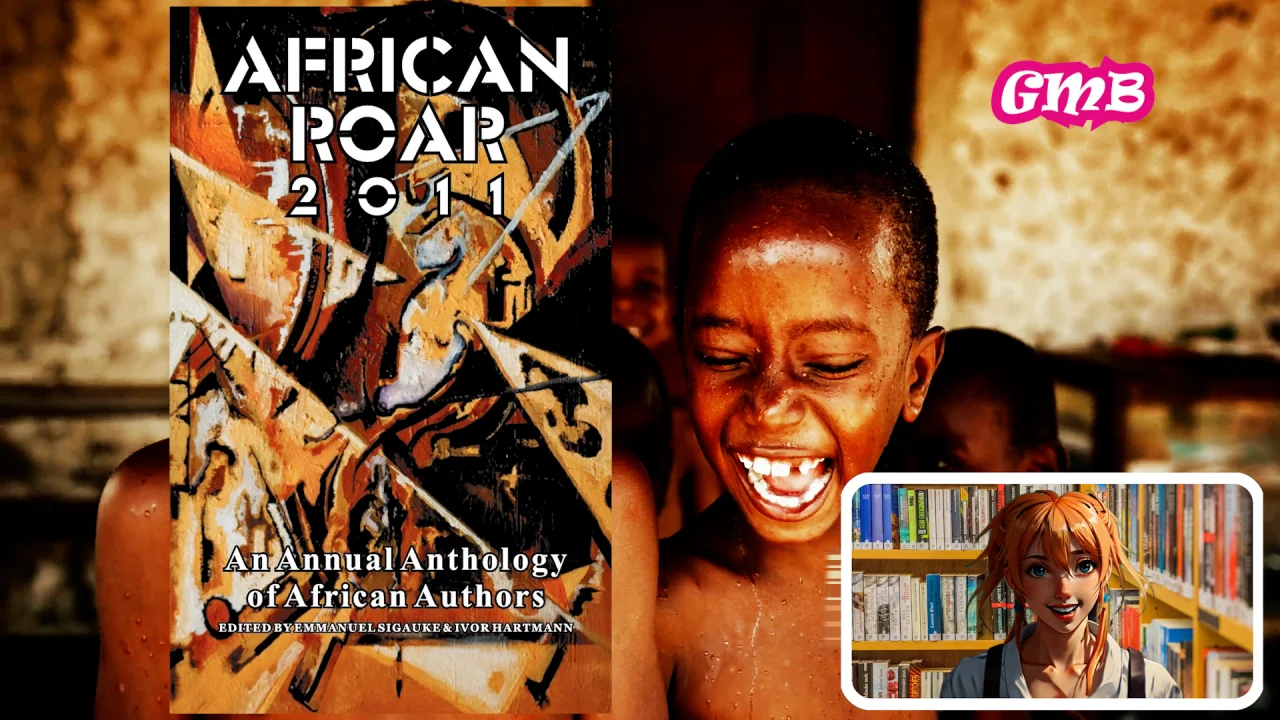
The anthology was edited by Emmanuel Sigauke and Ivor Hartmann, bringing together voices from across the continent.
This book is for readers who:
-
Enjoy short fiction that experiments with ideas
-
Want to explore modern African storytelling
-
Appreciate stories that mix humor with uncomfortable truths
This book is not for readers who:
-
Prefer long, continuous novels
-
Want predictable plots or tidy endings
👉 The edition I read is available here:
African Roar 2011
Why These Stories Matter
What struck me most while reading African Roar 2011 is how fearlessly honest these stories are.
Many of them take ordinary situations—standing in a queue, visiting family, arguing about water—and quietly reveal the deeper systems shaping people’s lives.
Politics.
Economic collapse.
Cultural suspicion.
Gender expectations.
And sometimes superstition.
Take the story “Witch’s Brew.” A woman becomes the target of witchcraft accusations simply because she is successful… and childless. In many communities, success without the “proper” social markers invites suspicion. The story doesn’t shout this message. It simply shows how easily a community can turn on someone who doesn’t fit expectations.
Then there’s “Main,” which captures the emotional exhaustion of Zimbabwe’s economic collapse. People stand in endless queues while prices climb into absurd numbers. Even hope—symbolized by an “Obama for Change” shirt—feels strangely distant.
Another story, “A Writer’s Lot,” hits painfully close to home for anyone who creates. A writer becomes famous for his book, yet remains broke because publishers refuse to pay royalties. Interviews, invitations, publicity—plenty of recognition, but no money.
Visibility without survival.
It’s funny until it isn’t.
And that pattern repeats throughout the collection: humor sitting right next to tragedy.
A Glimpse of the Stories (No Spoilers)
Each story in the anthology offers a completely different world.
One follows a young boy defending a woman accused of witchcraft.
Another captures a woman studying abroad while her family back home collapses under economic hardship.
There’s a hilarious but awkward story about a man whose marital equipment suddenly stops working, leaving him torn between medical explanations and possible curses from an angry sex worker.
One story follows a newspaper owner determined to expose powerful men involved in sexual scandals—even as threats begin piling up.
Another explores spiritual paranoia after a prophet predicts snakes will appear in a man’s life.
And then there’s “Diner Ten.” A post-human apocalypse told from the perspective of a cockroach.
Yes. A cockroach.
Oddly enough, it works.
The stories jump between comedy, horror, political commentary, and psychological tension—often within just a few pages.
A Few Stories That Stayed With Me
Some stories linger longer than others.
“Chanting Shadows” explores Zimbabwe’s land reform era through the relationship between a white farmer and the Black worker who grew up on his farm. Loyalty, history, race, and identity collide in a tragic way that feels painfully human.
“Silent Night Bloody Night” might be the most disturbing story in the collection. A Christmas visit to the village turns into a horrifying home invasion fueled by old resentments. The story refuses to moralize. It simply shows what revenge can look like when anger festers for generations.
And then there’s “Water Wahala.”
It’s the most ordinary story in the book—and somehow one of the most relatable.
A couple in Accra argues about water shortages while trying to get their children ready for school. Politicians promise solutions, but the taps remain dry. Domestic tension slowly becomes a metaphor for broken systems.
It’s funny.
And painfully real.
Who This Book Is Perfect For
You’ll enjoy African Roar 2011 if:
-
You like short stories that explore social realities
-
You enjoy fiction that mixes satire, tragedy, and cultural insight
-
You read literature to understand people and societies more deeply
You might struggle with this book if:
-
You prefer fast-paced thrillers
-
You need clear heroes and villains
-
You dislike stories that leave questions unanswered
👉 If this sounds like your kind of book, you can explore it here:
African Roar 2011
My Honest Verdict
This isn’t a perfect anthology.
Like most collections, some stories are stronger than others. A few feel unfinished, almost like sketches of larger ideas that could have been expanded.
But the range of voices here is impressive.
You move from satire to horror, from political commentary to quiet domestic drama. Some stories make you laugh out loud. Others leave you staring at the page, unsure how to feel.
What I appreciated most is that the book doesn’t try to present a single version of Africa.
Instead, it shows a continent full of contradictions:
-
humor and hardship
-
belief and skepticism
-
loyalty and betrayal
-
resilience and exhaustion
That honesty makes the anthology worth reading.
Final Thoughts
When I finished African Roar 2011, what stayed with me wasn’t just one story.
It was the variety of voices.
Each writer approaches reality from a slightly different angle. Some use humor. Some use horror. Some lean into politics, while others explore quiet personal struggles.
But together, they create something powerful: a literary snapshot of life across different African experiences.
Not polished.
Not sanitized.
Just honest.
And honestly—that’s what makes it memorable.
👉 If you’d like to read the same edition I did, you can find it here:
African Roar 2011