 English
 French
 German
 Russian
 中文
中文

When the Law Is the Enemy: Reading Nelson Mandela in His Own Words
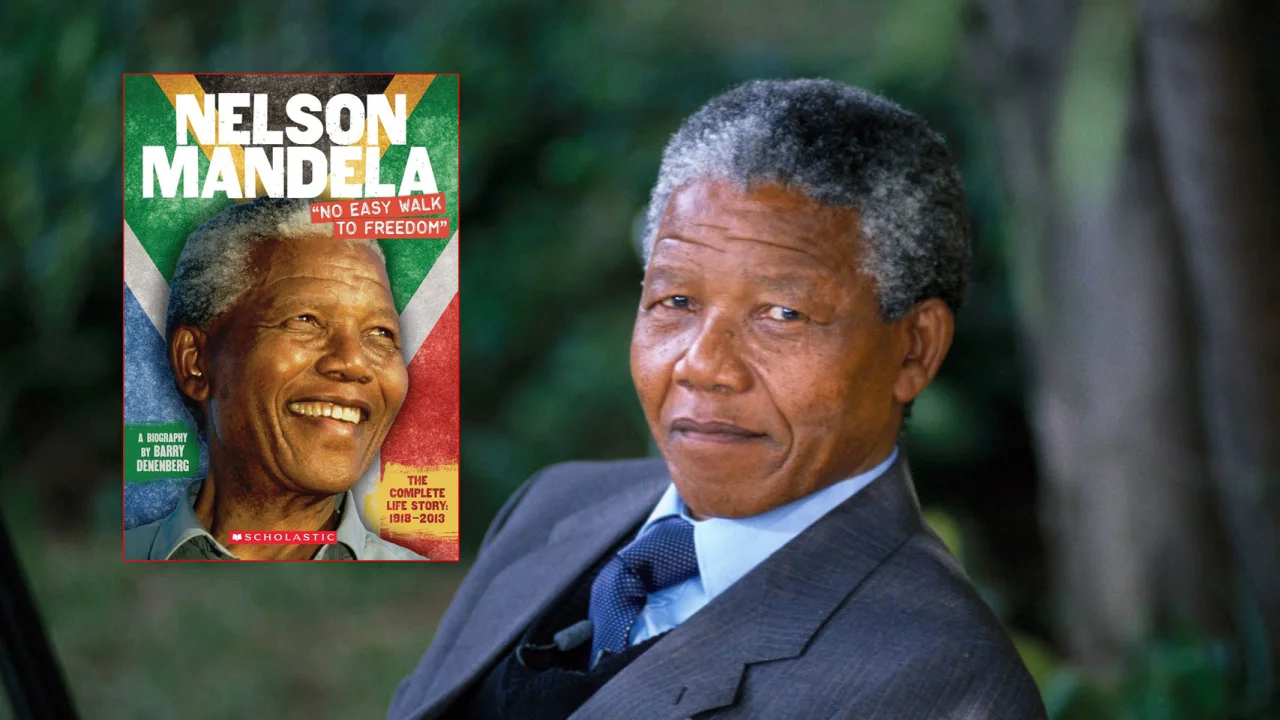
There are books you read for pleasure, and then there are books that sit you down, look you in the eye, and say, “Pay attention.”
No Easy Walk to Freedom did that to me.
As I read Mandela’s words—written in the 1950s and 60s—I kept thinking how absurdly cruel apartheid was, not in some abstract historical way, but in the everyday humiliations people were forced to endure. Being fined for walking on the wrong side of the pavement. Being ordered to remove your hat in the presence of someone with lighter skin. Being told where you could live, learn, or even dream.
And in the middle of that system stood a young lawyer named Nelson Mandela—angry, principled, and very aware that talking politely to injustice rarely works.
What Kind of Book Is No Easy Walk to Freedom?
This is a political memoir-manifesto rather than a traditional autobiography.
It’s a collection of speeches, essays, and statements Mandela delivered during the most volatile years of apartheid South Africa.
Tone: Direct, urgent, unapologetic
Pace: Measured but intense
Core themes:
-
Racial oppression
-
Dignity and resistance
-
The limits of peaceful protest
-
Moral responsibility in the face of injustice
This book is for readers who:
-
Want to hear Mandela before prison softened him into a global icon
-
Are interested in African political history from a first-person perspective
-
Appreciate clarity over sentimentality
This book is not for readers who:
-
Want a gentle or inspirational-only narrative
-
Prefer detached, academic history
👉 The edition I read is available here:
No Easy Walk to Freedom by Nelson Mandela (Amazon)
Why This Book Still Matters
What struck me most is how unsanitized Mandela’s voice is here.
He doesn’t beg for sympathy. He explains systems—coldly, carefully—showing how apartheid was designed not just to control Black South Africans, but to convince them they were inferior. Laws like the Bantu Education Bill weren’t accidental failures; they were strategic tools meant to cap ambition.
One passage stopped me cold:
Africans had no vote, no freedom of movement or civic rights, and they were being steadily deprived of their land… Africans had to take off their hats when passing White men and were pushed off the pavements into the gutter if they did not know their place.
This isn’t history filtered through hindsight.
This is a man writing while the boot is still on his neck.
And maybe that’s why it feels so relevant today. The book asks an uncomfortable question it never fully answers:
What do you do when the law itself is unjust?
Mandela’s answer, at this stage of his life, is clear: resistance is not optional.
A Glimpse of the Story (No Spoilers)
The book places you inside a society where:
-
Peaceful protest is criminalized
-
Political organizing is treated as treason
-
Silence is rewarded, dissent punished
Mandela walks the reader through why the ANC eventually concluded that nonviolent resistance alone was no longer enough—a decision that would cost him his freedom for decades.
Where Long Walk to Freedom Fits In
To fully appreciate No Easy Walk to Freedom, it helps to read it alongside Mandela’s autobiography, Long Walk to Freedom.
While No Easy Walk gives you Mandela the revolutionary thinker, Long Walk to Freedom gives you Mandela the human being.
In Long Walk to Freedom, Mandela reflects on:
-
His childhood in the Thembu royal household
-
His early legal career
-
His arrest, trial, and 27 years in prison
-
Life on Robben Island—cold cells, hard labor, calculated cruelty
And yet, astonishingly, the dominant emotion is not rage—but discipline.
👉 You can find the autobiography here:
Long Walk to Freedom by Nelson Mandela (Amazon)
Who These Books Are Perfect For
You’ll appreciate these books if:
-
You like nonfiction that confronts moral complexity
-
You want African history told by those who lived it
-
You read to understand power, not escape it
You might struggle if:
-
You prefer fast-paced, plot-driven narratives
-
You need clear heroes and villains
-
You dislike political writing
👉 If Mandela’s journey speaks to you, both books are available here:
My Honest Verdict
These aren’t “easy” books—but they are necessary ones.
No Easy Walk to Freedom can feel dense at times, especially if you’re unfamiliar with apartheid-era legislation. But its honesty is its strength. This is Mandela before myth-making, before sainthood—thinking, arguing, choosing.
Long Walk to Freedom balances that intensity with reflection and wisdom.
Together, they tell one of the most remarkable political journeys of the 20th century.
This isn’t a perfect reading experience—but it’s a truthful one.
And those are rare.
Final Thoughts
Mandela once said, “It always seems impossible until it’s done.”
Reading these books, you feel just how impossible his struggle once seemed.
What stays with me isn’t just that Mandela endured injustice—but that he refused to let it shape him into something small or cruel. These books remind us that real change is slow, painful, and deeply human.
If you’re willing to sit with discomfort—and learn from it—these are books worth your time.
👉 If you’d like to read the same editions I did, you’ll find them here: