 English
 French
 German
 Russian
 中文
中文

Sula by Toni Morrison: A Fierce, Unforgettable Story of Black Womanhood
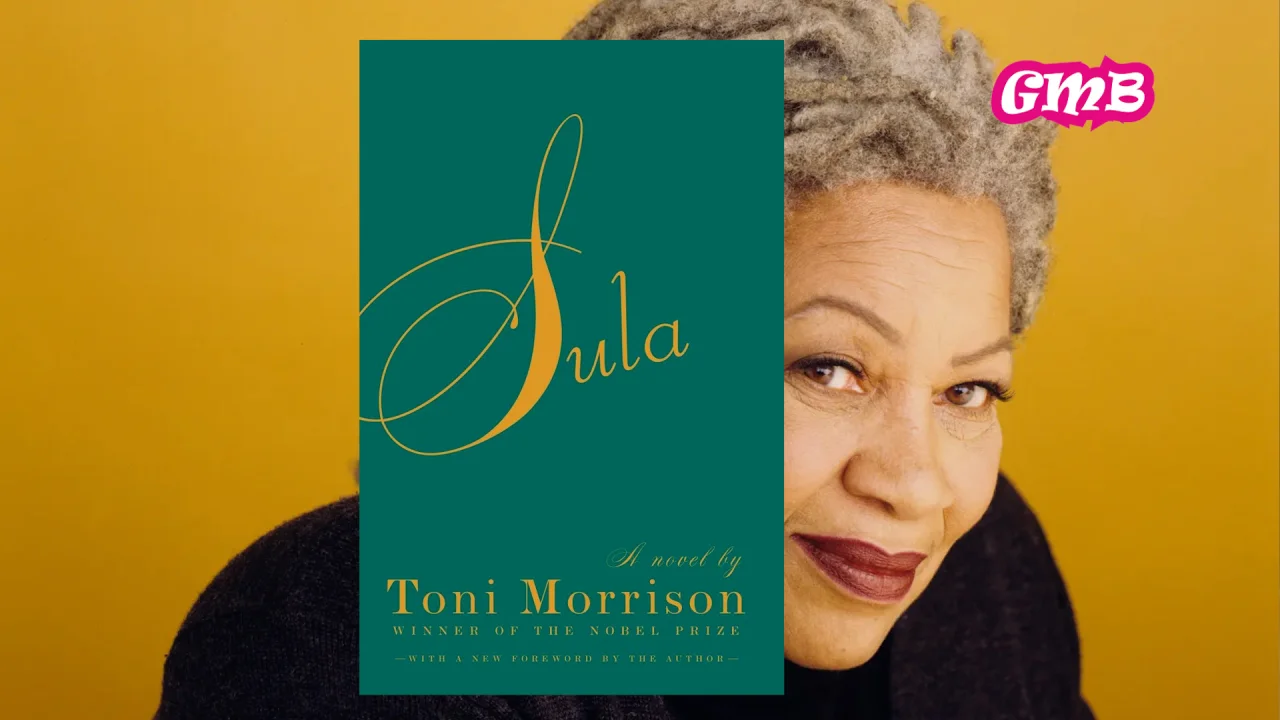
Imagine standing by as your mother dies in flames, your grandmother throws herself out a window to save her, and somehow, you watch calmly, like a toaster sparking in the kitchen. Welcome to Sula — Toni Morrison’s haunting, bold, and deeply human exploration of women, Black womanhood, friendship, and freedom.
Published in 1973, Sula is Morrison’s second novel, and it’s where we begin to see the full range of her daring storytelling. With lyrical prose, unforgettable characters, and moral complexity, Morrison invites readers into the world of Bottom, Ohio — a community shaped by history, prejudice, and generations of women who refuse to be ordinary.
👉 Get Sula on Amazon
A Glimpse Into Bottom: The Peace Family
The story revolves around the Peace family, a lineage of women whose lives are anything but peaceful. At the helm is Eva Peace, the matriarch who loses a leg to secure her children’s future and later makes choices that blur the line between love and cruelty. Her children — Pearl, Plum, and Hannah — each carry scars, secrets, and desires that ripple through generations.
Hannah, for instance, loves men — all men — without the conventional constraints of loyalty or ownership. Plum returns from World War I physically and emotionally broken, addicted to heroin. Pearl escapes Bottom altogether. And then there’s Sula Peace, Hannah’s daughter, whose very existence challenges the community’s understanding of love, morality, and individuality.
Sula’s friendship with Nel Wright forms the emotional core of the novel. From childhood adventures to accidental tragedy — the death of Chicken Little — their bond is intense, unfiltered, and ultimately tested by betrayal, desire, and the pressures of society.
Themes That Resonate
Sula is rich with themes that make it more than a story — it’s a mirror reflecting human nature, community, and the burden of history:
-
Black Womanhood: Morrison captures the complexities of being Black and female in post-slavery America. The women of Bottom aren’t saints; they’re survivors, shaped by circumstance and choice.
-
Friendship and Betrayal: Sula and Nel’s relationship explores loyalty, intimacy, and the consequences of breaking trust.
-
Community vs Individuality: Bottom reacts to Sula’s freedom with fear and hostility, showing how society polices those who refuse to conform.
-
Legacy and Generational Trauma: From Eva’s sacrifices to Plum’s addiction, trauma is passed down like a family heirloom.
-
Freedom: Sula lives on her own terms, challenging readers to ask — what does true freedom cost?
Why Sula Matters
Reading Sula is confronting. Morrison doesn’t craft characters to be liked — she crafts characters to exist, fully and unapologetically. Sula isn’t evil; she’s untethered. Her life asks hard questions:
-
What does it mean to be a woman with no roadmap?
-
Can someone who rejects societal norms still be good?
-
How do we measure a life well-lived?
Characters like Eva and Hannah push us to rethink love and sacrifice. Eva’s fierce maternal instincts, even when violent, and Hannah’s contradictory devotion to men, force readers to navigate moral ambiguity without judgment.
And Nel, the “good girl,” ends up questioning herself and whispering Sula’s name long after Sula’s death — a haunting reminder that conformity doesn’t guarantee fulfillment.
My Take: Strengths, Weaknesses, and Insights
Strengths:
-
Morrison’s prose is poetic, musical, and layered — each sentence carries weight.
-
Characters are vividly real, morally complex, and unforgettable.
-
The exploration of Black female experience is deep, nuanced, and powerful.
Potential Weaknesses:
-
The nonlinear storytelling may feel disorienting at first.
-
Sula’s morally ambiguous choices can be challenging for readers used to clear heroes and villains.
Personal Insight:
Sula unsettles, yes — but in the most necessary way. It challenges our assumptions about love, friendship, community, and the cost of freedom. Morrison doesn’t give easy answers; she gives life in all its contradictions.
👉 Check out the Kindle edition of Sula here
Who Should Read Sula
You’ll love Sula if you:
-
Enjoy stories that challenge your moral compass
-
Want to understand the intricacies of Black womanhood
-
Appreciate lyrical, thought-provoking prose
-
Read fiction to wrestle with big questions, not just escape
You might struggle with this book if you:
-
Prefer fast-paced plots with clear resolutions
-
Need likable, conventional heroes
-
Dislike moral ambiguity or open-ended storytelling
About Toni Morrison
Toni Morrison (1931–2019) was a Nobel Laureate, Pulitzer Prize winner, and one of literature’s most transformative voices. From Beloved to Song of Solomon, Morrison consistently expanded what novels could do — exploring identity, history, and the human heart with unmatched depth. Sula is where her bold, unflinching vision truly begins to shine.
👉 Browse more Toni Morrison novels on Amazon
Final Thoughts
Sula isn’t an easy read, but that’s precisely its power. It unsettles, provokes, and lingers long after the final page. Sula, Eva, Hannah, and Nel don’t ask for understanding — they demand to be seen.
For anyone ready to confront life, love, and freedom from the perspective of fiercely alive Black women, Sula is essential reading.
Peace — literally and figuratively.