 English
 French
 German
 Russian
 中文
中文

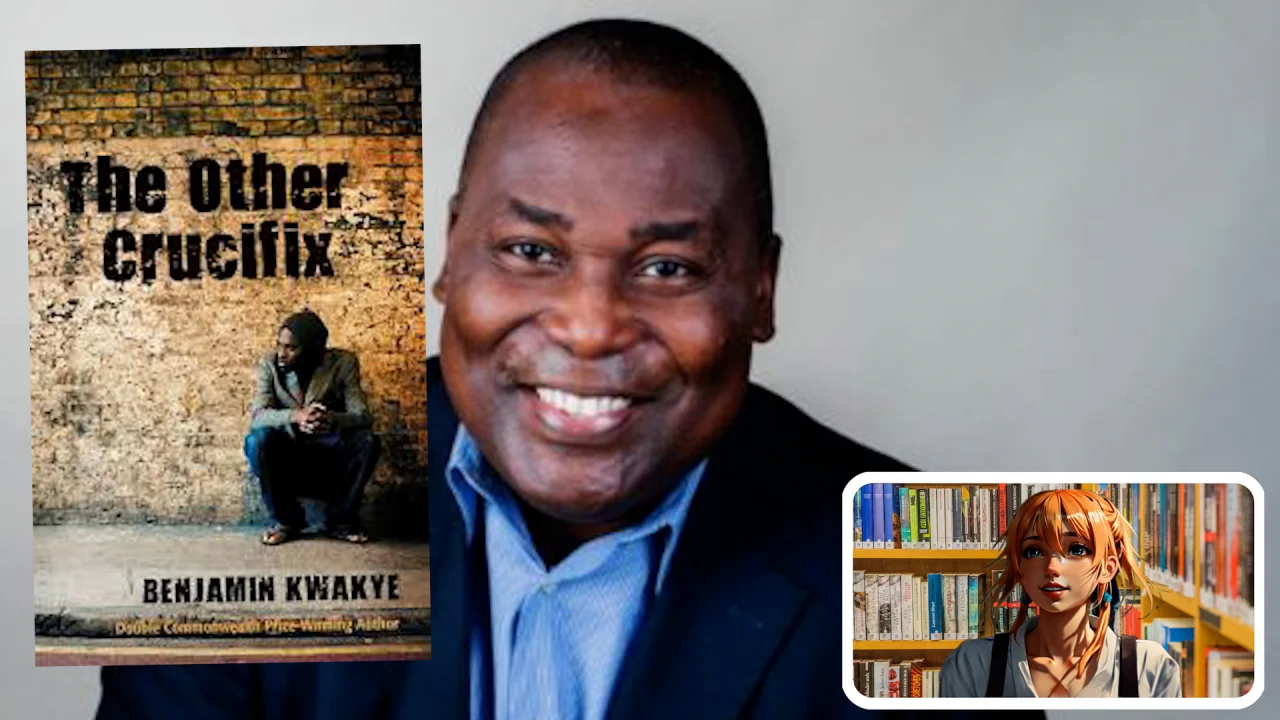
Between Two Worlds: A Review of The Other Crucifix by Benjamin Kwakye
Have you ever been told to “just be yourself” like it’s the easiest thing in the world? Now imagine trying to do that in a country where your accent makes people tilt their heads like they’re decoding Morse code, where your skin color dictates the worst seat in the room, and your very presence feels like a political statement. This is the reality Jojo Badu walks into when he leaves Ghana for the United States—armed with ambition, a Ghanaian accent, and a perhaps overly trusting faith in university financial aid offices.
Welcome, fellow book explorers. Today, we’re diving into The Other Crucifix by Benjamin Kwakye—a story that’s part immigration drama, part identity quest, and part “what in the actual colonial hangover is going on here?” Jojo’s journey through race, culture, betrayal, and belonging in 1960s America will leave you thinking about your own sense of self, the cost of assimilation, and the invisible burdens immigrants carry.
👉 You can grab a copy of The Other Crucifix here on Amazon: The Other Crucifix – Amazon
Jojo Badu’s Arrival: The Immigrant’s Reality
Jojo’s move from Ghana to the U.S. begins with all the optimism of a fresh start. But from the moment he steps on American soil, reality yells, “You don’t belong here.” Beyond the cold winters and baffling cafeteria menus, Jojo faces institutional racism at every turn.
Through Kwakye’s intimate first-person narration, we feel each punch of alienation, each clash of cultures, each reminder that he is perpetually “othered.” Jojo’s response? Adaptation—sometimes painfully, sometimes hilariously. You’ll find yourself cheering for him one moment and screaming at him the next: Stand for something, man!
“He dies several metaphorical deaths, but as the narrator notes, ‘he was always born anew with a different soul.’”
The Brewer/Castro Controversy: Politics and Compromise
This novel doesn’t stop at personal struggles. One of the most riveting sections revolves around the renaming of the International Student Association house—from Brewer, a known slave owner, to Castro, a communist. Cue Cold War tensions.
The administration calls on Jojo, their pliable African student, to smooth things over, and he becomes the reluctant president, enmeshed in manipulation, political compromise, and moral dilemmas. The scene is chillingly relevant:
“…because The University has been generous with its financial aid. Can The University continue to maintain such aid if the screws begin to tighten from Washington? And believe me, it will if nothing happens and this thing stands.” (p. 61)
This moment reflects the larger allegory: developing nations are often coerced into compromises under the guise of survival. Jojo becomes a microcosm of that negotiation—between identity, integrity, and survival.
The Cost of Transformation: Losing Yourself
Jojo’s transformation continues as he adapts to American ideals—even viewing his Ghanaian girlfriend, Marjorie, through a lens shaped by Western beauty standards. The cultural dissonance here is subtle but powerful, capturing the quiet erosion of self that often accompanies assimilation.
Then tragedy strikes: his uncle Kusi, a key support back in Ghana, is killed after being implicated in a coup. Jojo’s homeland becomes a distant memory, leaving him tethered to America’s cold realities. He finishes college without a diploma, ends up doing menial work like hay-stacking, yet maintains hope, marrying Fiona and eventually pursuing law school.
Radicalization and Rebellion
Jojo’s story isn’t just about passive adaptation. Lectures on slavery, apartheid, and global injustice awaken a new fire. He protests, petitions, and even assaults the Dean—acts that are punished and suppressed. Here, Kwakye masterfully captures the cyclical struggle of resistance, defeat, and rebirth in the immigrant experience.
The tension between personal ambition and moral conviction is relentless, showing that even acts of courage can carry heavy costs.
The Other Crucifix: More Than a Title
The book’s title resonates beyond religion. The Other Crucifix symbolizes the invisible burdens immigrants carry—the daily compromises, the silenced frustrations, and the invisible crosses they bear in foreign lands.
Kwakye’s prose is sharp and lyrical, filled with analogies, philosophical theories, and intricate inversions that challenge your assumptions. This is a novel about:
-
Race, exile, and identity
-
Language, independence, and love
-
Betrayal, compromise, and the illusion of freedom
“A deracialised American society is still in its infancy though greater achievements have been made.”
My Thoughts on the Novel
Having read Kwakye’s earlier work, The Cloth of Nakedness, I expected wit and philosophical musings. The Other Crucifix, however, is heavier. It explores the immigrant psyche, the cost of assimilation, and the complex interplay of memory, homeland, and identity.
Jojo isn’t a perfect hero. He’s unsure, often passive, and morally conflicted. But he is real. Through him, Kwakye captures the struggles of Africans abroad—the loneliness, the shame, the self-transformation, and ultimately, the quest to survive without fully surrendering one’s identity.
About the Author: Benjamin Kwakye
Benjamin Kwakye is a Ghanaian novelist and lawyer. His debut, The Cloth of Nakedness, won the Commonwealth Writers’ Prize for Best First Book, Africa Region. The Other Crucifix is his third novel, and his style is fearless, rich, and uncompromising. Kwakye honors the immigrant experience in all its contradictions, offering stories that are both intimate and globally resonant.
👉 Check out Benjamin Kwakye’s works here: Benjamin Kwakye – Amazon
Final Thoughts
If you’ve ever wondered what it feels like to live between two worlds—never fully belonging to either—The Other Crucifix will resonate with you. It’s a story about rebirth, identity, and survival, told through the eyes of a protagonist whose journey is as frustrating as it is enlightening.
Have you read this book? Did you relate to Jojo’s struggles, or did you find yourself frustrated with him? Share your thoughts in the comments below. And if you haven’t read it yet… consider making this your next journey into African literature.
👉 Pick up your copy of The Other Crucifix here: The Other Crucifix – Amazon
Until next time—stay reading, stay questioning, and most importantly, stay true to yourself.