 English
 French
 German
 Russian
 中文
中文

Dew in the Morning by Shimmer Chinodya: A Haunting Journey Through Rural Zimbabwe
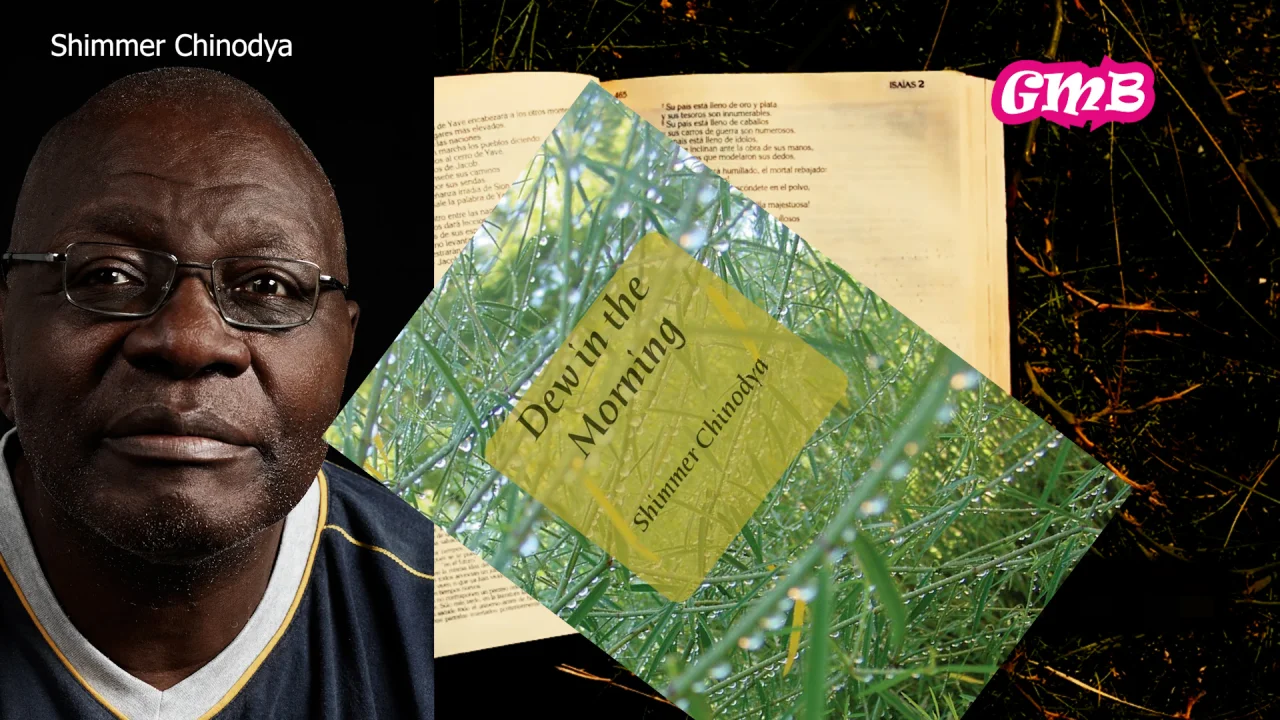
Imagine waking up in a village where the birds chirp, cows low, and your mother is already knee-deep in farm work before the sun even rises. Your breakfast, lunch, and dinner? Sadza. Your chores? Fetch water, herd goats, tend the fields. And maybe, if luck favors you, a swim in the river with that girl who makes your heart drum like a marimba.
But something’s shifting in this once-familiar world. Forests that once loomed with mystery are now reduced to piles of stumps. The owls that punctuated the night are gone. Even the snakes have vanished. And yet, there’s a lingering unease, a sense that the spirits of the land are restless.
This is where Dew in the Morning begins — and trust me, it grips you from the first page.
👉 You can find the edition I read on Amazon here.
What Kind of Novel Is This?
Dew in the Morning is a reflective, quietly intense novel about change, tradition, and the rhythms of rural life in northern Zimbabwe.
-
Tone: Poetic, observational, sometimes wistful
-
Pace: Moderate, letting the setting and characters breathe
-
Themes: Environmental change, cultural collision, gender inequality, spirituality
This book is for readers who:
-
Love literary fiction grounded in African life
-
Enjoy immersive stories that explore society, culture, and personal growth
It’s not for readers who:
-
Prefer fast-paced plots or action-heavy narratives
-
Need clear-cut heroes and villains
Why This Story Matters
What makes Chinodya’s novel extraordinary is its refusal to lecture. The story doesn’t mock traditional beliefs or romanticize rural life. Instead, it observes — and in observing, it illuminates.
Godi, our young narrator, grows up in a village that has endured seven years of drought. His father, working in the city, leaves him with the rhythms of village life and the wisdom of the land. As derukas — resettled families — arrive, the balance of nature and society shifts. Sacred trees are harvested early, traditions are questioned, and the village whispers of restless spirits.
Quote:
"Now the forests were gone and people had become restless. The owls did not hoot anymore… Snakes no longer came slithering across compound clearings attracted by firelight."
This line lingers because it’s not just about the environment; it’s about the quiet mourning for a way of life. Chinodya shows us how culture, spirituality, and daily life intersect — and how modernization, even when inevitable, comes with loss.
Even Godi’s education in the city creates a subtle divide between him and his peers. Crushes, curiosity, and a sense of responsibility unfold against a backdrop of environmental and societal change. There’s no sensationalism, just the poetry of observation.
A Glimpse of the Story
At its heart, Dew in the Morning is about adaptation. Forests disappear, traditions bend, and people navigate new social dynamics. The village headmen — from the corrupt Jairos to the shrewd Simon — represent the spectrum of human response to change. Even the shaman’s interventions feel neither mocked nor trivialized; spirituality is integrated into life, influencing decisions for everyone, believers or skeptics alike.
The story follows Godi as he learns, grows, and observes — a lens into a world negotiating survival, morality, and identity.
Who This Book Is Perfect For
You’ll enjoy this novel if:
-
You love books that explore human lives in subtle, layered ways
-
You enjoy reading about cultural and environmental change
-
You read fiction to think, not just escape
You might struggle with this book if:
-
You prefer fast-moving plots or dramatic action
-
You need a clear-cut narrative with heroes and villains
👉 Get your copy of Dew in the Morning on Amazon here.
My Honest Verdict
Dew in the Morning is quietly brilliant. Chinodya doesn’t dramatize rural life, yet every sentence resonates with authenticity.
What works:
-
Poetic, reflective prose
-
Honest depiction of cultural and environmental change
-
Nuanced characters and relationships
What could challenge some readers:
-
Slow pacing and minimal plot action
-
Subtlety over overt drama
And yet, I recommend it without hesitation. The novel whispers truths about change, growth, and human resilience — and you feel them long after turning the last page.
About the Author: Shimmer Chinodya
Born in 1957 in Gweru, Zimbabwe, Chinodya grew up in a large family before studying English Literature and Education at the University of Zimbabwe. Later, he earned a Master’s in Creative Writing from the prestigious Iowa Writers’ Workshop, joining the ranks of alumni like Flannery O’Connor and John Irving.
He’s best known for Strife, which won the Noma Award for Publishing in Africa in 2008, but Dew in the Morning, written when he was just 18, remains one of the most authentic portrayals of rural Zimbabwean life.
Final Thoughts & Recommendation
If you want a novel that doesn’t announce its wisdom but lets it seep quietly into your heart, Dew in the Morning is for you. It’s about environmental and societal change, the quiet ache of growing up, and the resilience of culture in flux.
Walking alongside Godi, you’ll feel the morning mist, the fading forests, and the rhythms of a village that is both gone and enduring. Chinodya’s debut is a subtle masterpiece — a literary journey worth taking.
👉 Grab the edition I read on Amazon here.https://amzn.to/4q08Yg8