 English
 French
 German
 Russian
 中文
中文

The End of Skill by Mamle Kabu: A Story About Family, Culture, and Finding Your Place
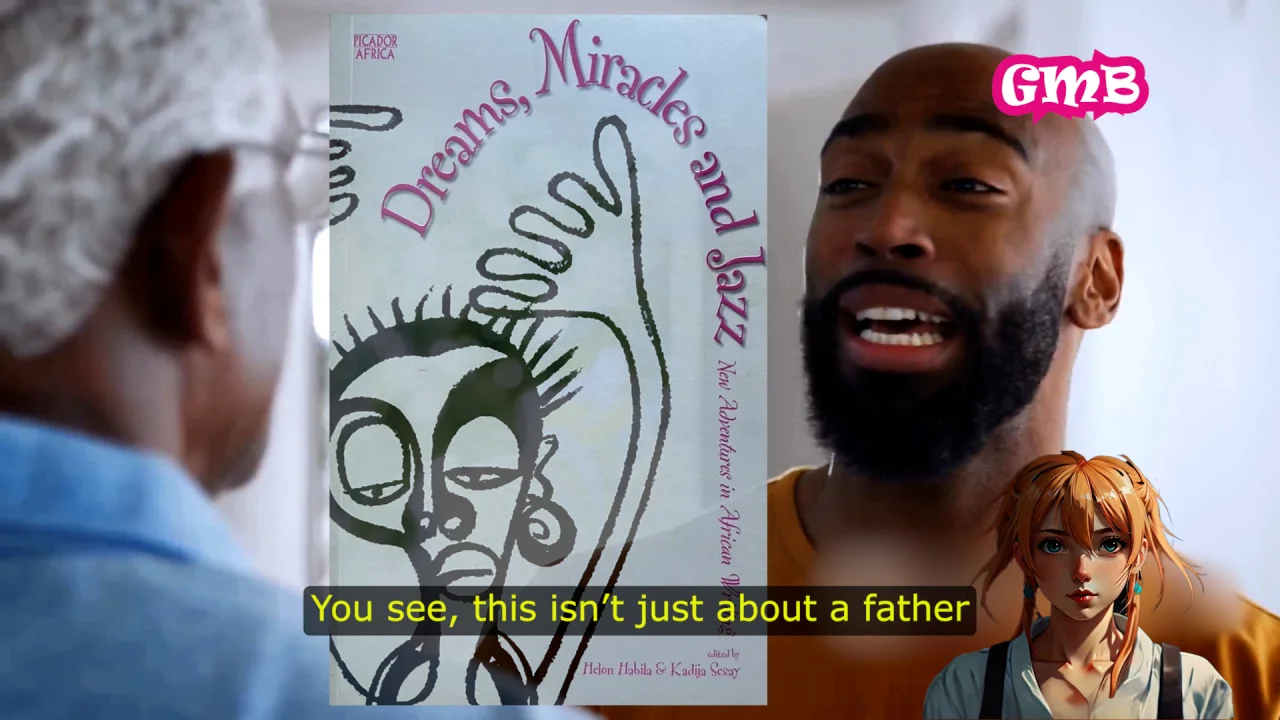
Imagine this: your father has built a family business with his own hands—a craft that carries generations of culture, history, and pride. He looks at you and says, “One day, all this will be yours!” Heartwarming, right? Now, imagine your reaction is: “Umm… no thanks, Dad. I’m good.” Awkward. That’s exactly where Jimmy—or Kweku, as his father calls him—finds himself in Mamle Kabu’s short story The End of Skill, part of the anthology Dreams, Miracles, and Jazz. And trust me, it’s a story worth diving into.
Meet Jimmy: Talent, Tradition, and a Little Rebellion
Jimmy is young, ambitious, and a little stubborn. His father is a master Kente weaver in the Ghanaian village of Adanwomase, and in case you didn’t know, Kente isn’t just fabric—it’s royalty, identity, and pride woven into every pattern. But Jimmy? He’s thinking, “This is amazing and all, but where’s the money? Where’s the future?”
His father doesn’t argue with him. To him, weaving isn’t just a career—it’s a sacred craft, a legacy, and he knows something Jimmy doesn’t (or refuses to admit): Jimmy is exceptionally gifted. But youth, as we know, comes with stubbornness.
So Jimmy leaves for Accra, determined to find a “real” job that makes sense in the modern world. But here’s the twist: what if the very skill he’s trying to escape is the key to his success? What if weaving Kente isn’t just about earning a living, but preserving a cultural treasure?
Why This Story Resonates
The End of Skill isn’t just about a father and son disagreement. It’s a reflection on culture versus modernity, passion versus practicality, and the sometimes surprising paths self-discovery takes.
What makes this story stand out is its fresh perspective. Instead of the usual narrative where children are forced into tradition, Jimmy is guided. His father recognizes his talent and encourages him not to see weaving as a job but as a legacy and a responsibility. The moment Jimmy realizes that outsiders treat Kente as just a decorative object rather than a cultural symbol, he begins to shift—from a young man running away from a craft to a guardian of a heritage.
Kabu’s writing is immersive. The tension, the village life, the weight of family expectations—it all feels real. And she doesn’t fall into the trope of the “struggling African story.” Instead, the narrative celebrates choice, self-discovery, and the value of one’s culture, reminding readers why traditions matter.
A Glimpse of the Story
Without spoiling the ending, here’s the setup: Jimmy must navigate the clash between his father’s expectations and his own dreams, questioning what success truly means. The story unfolds in a Ghanaian village and the bustling city of Accra, creating a compelling backdrop for the age-old question: do we follow our dreams, or do we honor our heritage?
If you’re curious, you can find the anthology here: Dreams, Miracles, and Jazz. It features brilliant writers like Binyavanga Wainana and Sefi Atta alongside Kabu.
Who Will Love This Story
You’ll enjoy The End of Skill if you like:
-
Stories about self-discovery and cultural heritage
-
Engaging, witty, and reflective short stories
-
Narratives that explore generational tension without heavy melodrama
You might struggle with it if:
-
You prefer action-driven plots
-
You like black-and-white heroes and villains
-
You need a fast-paced story with a clearly defined ending
About Mamle Kabu
Mamle Kabu is a phenomenal writer whose works, including Human Mathematics and Story of Faith, showcase her deep understanding of culture, identity, and storytelling. Her narratives are both relatable and insightful, making her a must-read for anyone interested in contemporary African literature.
Final Thoughts
The End of Skill is more than just a short story—it’s a meditation on the intersection of talent, tradition, and personal choice. It will make you ask yourself: would you follow your own path, or honor the legacy of those who came before you?
For me, what lingers is Jimmy’s journey—from resistance to appreciation—and the quiet power of a father’s belief in his child. This story is a reminder that sometimes, the path we resist the most is exactly where we’re meant to shine.
If you’re ready to explore this story and the anthology it’s part of, you can check it out here: The End of Skill in Dreams, Miracles, and Jazz.