 English
 French
 German
 Russian
 中文
中文

You Can Run From War… But Can You Run Back Home?
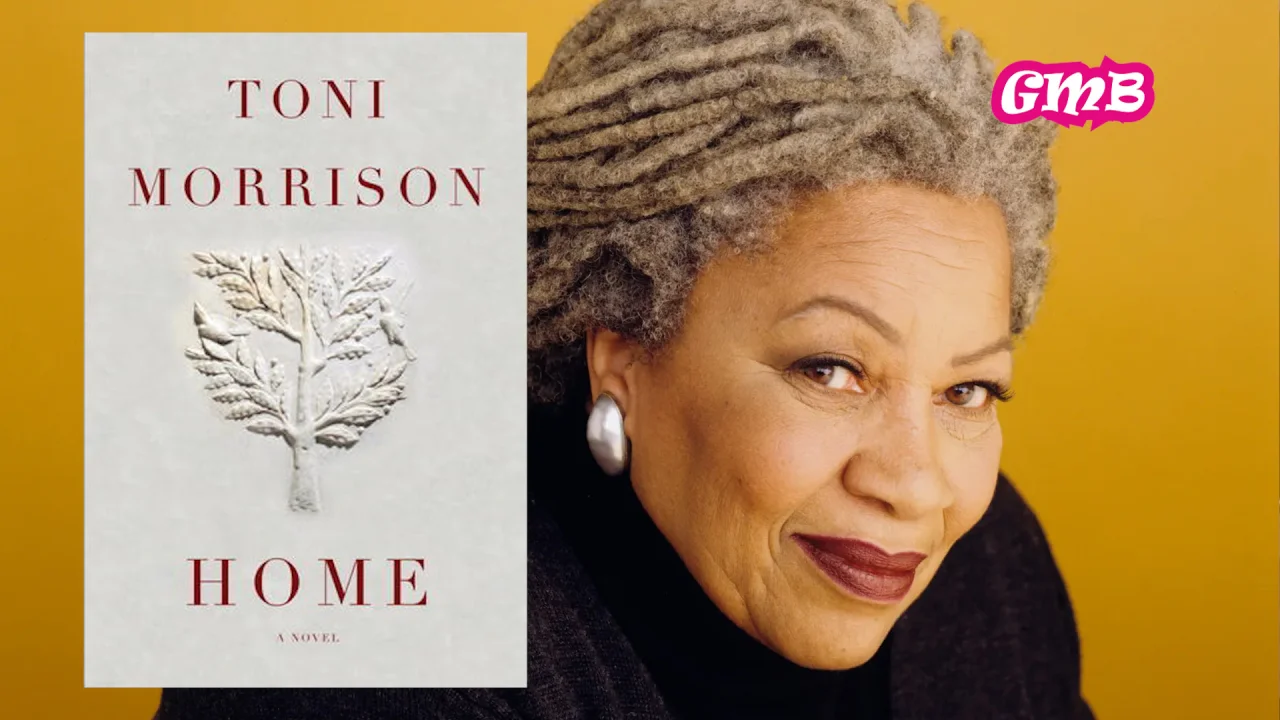
There’s a moment early in Home where I had to pause—not because something loud or shocking happened, but because something quiet settled in. A kind of truth that doesn’t announce itself.
What does it mean to come back from war… when there’s no real place to return to?
That question lingered long after I closed the book. Not loudly. Just there—like something unfinished.
And that’s exactly the kind of novel this is.
What Kind of Novel Is This?
This is a quiet, haunting literary novel about trauma, responsibility, and the long road back to self.
Tone: Reflective, restrained, quietly disturbing
Pace: Slow but purposeful
Themes: War trauma, identity, race, memory, healing, community
This book is for readers who:
-
Appreciate emotionally layered, introspective fiction
-
Don’t mind sitting with discomfort and unanswered questions
This book is NOT for readers who:
-
Want fast-paced plots or clear-cut resolutions
-
Prefer entertainment over introspection
👉 The edition I read is available here:
https://amzn.to/3Mr7hd1
Intro: A Story That Begins With Exhaustion
Frank Money returns from the Korean War with nothing that looks like victory.
No glory. No peace. Just fragments of memory he can’t quite face.
When a letter arrives telling him his sister is dying—“Come fast. She be dead if you tarry.”—it pulls him out of his collapse and forces him into motion. Not just across America, but into himself.
This is where Home begins: not with hope, but with urgency.
A Glimpse of the Story (No Spoilers)
Frank’s journey is simple on the surface: travel across 1950s America to save his sister, Cee.
But nothing about it is easy.
He’s a Black man moving through a segregated country that doesn’t want him. He’s carrying trauma he doesn’t understand. And his sister—kind, trusting Cee—has fallen into the hands of someone who sees her not as a person, but as a subject.
At its core, this is a story about:
-
A brother trying to make things right
-
A sister learning the cost of innocence
-
And a past that refuses to stay buried
Analysis & Review: The Weight of What’s Unsaid
Let me be honest—this is not Morrison at her most expansive.
If you’ve read Beloved or Song of Solomon, you’ll notice the difference immediately. This novel is smaller. Tighter. Almost stripped bare.
But that’s exactly where its power lies.
There’s no excess here. Every sentence feels deliberate. Almost surgical.
What Works
1. The emotional restraint
Morrison doesn’t overwhelm you with drama. She lets the silence do the work. The trauma isn’t always described—it’s felt in what’s avoided.
2. The dual narrative voice
Frank’s first-person sections are raw, uncertain, even unreliable. At one point, he admits: “I lied.”
And that changes everything.
Because healing, the book suggests, doesn’t begin with truth—it begins with admitting you’ve been hiding from it.
3. The theme of responsibility
This hit the hardest.
Frank isn’t just a victim of war—he’s forced to confront what he’s done.
Cee isn’t just naïve—she must reckon with her own choices.
And beyond them, there’s a quiet accusation aimed at America itself.
What Doesn’t Work (For Some Readers)
1. It feels “small”
If you’re expecting the layered complexity of Morrison’s bigger works, this might feel underwhelming.
2. It leaves gaps
The story doesn’t explain everything. It trusts you to sit with uncertainty—and not everyone enjoys that.
Why This Story Matters
What stayed with me wasn’t the journey—it was the idea of home itself.
Not as a place. But as something fragile.
Something you might reject… only to realize it’s the only place where healing is possible.
This novel asks uncomfortable questions:
-
Can you ever truly return to who you were?
-
What do you do with the things you’ve done?
-
And who helps you heal when the world has already broken you?
The answer Morrison offers isn’t dramatic.
It’s quiet. Communal. Almost ordinary.
Healing, in this book, doesn’t come from heroism.
It comes from people—especially the women who gather, care, and restore without asking for recognition.
And that felt… real.
Who This Book Is Perfect For
You’ll enjoy this novel if:
-
You like books that explore emotional and psychological depth
-
You enjoy subtle storytelling over spectacle
-
You read fiction to reflect, not just escape
You might struggle with this book if:
-
You prefer fast-moving plots
-
You want clear heroes and villains
-
You dislike ambiguity
👉 If this sounds like your kind of book, you can get it here:
https://amzn.to/3Mr7hd1
My Honest Verdict
This isn’t a perfect novel—but it’s an honest one.
What worked:
-
The emotional depth
-
The precision of the writing
-
The quiet, powerful themes
What didn’t:
-
It may feel too minimal for some readers
-
It lacks the sweeping scope of Morrison’s most famous works
And yet… I’d still recommend it.
Because there’s something rare about a book that doesn’t try to impress you—but still stays with you.
Final Thoughts & Recommendation
Home doesn’t demand your attention.
It earns it slowly.
It’s for readers willing to sit with discomfort, to read between silences, to accept that some stories don’t resolve neatly.
And maybe that’s why it lingers.
Because in the end, this isn’t just a story about returning home.
It’s about realizing that home is where you finally stop running—from the world, from your past, from yourself.
👉 If you’d like to read the same edition I did, here’s the link:
https://amzn.to/3Mr7hd1
Similar Books You Might Like
-
The Bluest Eye
-
Sula
Best Format to Read This Book
Paperback works best here.
It’s a short novel, but a heavy one—you’ll likely pause, reread, and reflect. A physical copy makes that easier.