 English
 French
 German
 Russian
 中文
中文

Wuthering Heights: A Gothic Masterpiece That Will Haunt You Forever
So, I just finished reading a book where everyone’s either dying, crying, or plotting revenge—and by the end, I didn’t like a single character. Not even the narrator. But I stuck with it, and oh… I have thoughts. Serious thoughts.
Let me set the scene first—no spoilers on the title just yet. Picture this: the windswept moors of Yorkshire, England. Two neighboring estates—one grim and weather-beaten, the other refined and elegant. And between them, a cast of characters so dysfunctional they make your average family Thanksgiving dinner look like a peaceful meditation retreat. This is a classic story that’s been haunting readers for over 170 years, filled with brooding characters, terrible life choices, and enough family drama to make modern soap operas look tame in comparison.
The Story Recap
Our tale begins with Mr. Lockwood, who rents a fancy house called Thrushcross Grange from the most charming landlord you could ever imagine—and by charming, I mean absolutely terrifying. This landlord, Heathcliff, lives next door at Wuthering Heights, and let’s just say… the vibes there are intense.
On Lockwood’s first visit, a storm traps him overnight at Wuthering Heights. And what happens? A casual ghostly encounter where the spirit of someone named Catherine Earnshaw tries to enter through his window. First impressions: unforgettable.
Lockwood turns to his housekeeper, Nelly Dean (or Nelly, as she likes to be called), who responds with a calm, “Pull up a chair, my dude. This is gonna take a while.” And then the family saga unfolds.
Decades earlier, Mr. Earnshaw returned from Liverpool with a child he found on the streets: Heathcliff. He raises Heathcliff alongside his own children, Hindley and Catherine, favoring the adopted boy over Hindley—yikes. Hindley retaliates with relentless bullying, while Catherine and Heathcliff form an inseparable bond, sharing a connection so intense it’s borderline psychic.
When Mr. Earnshaw dies, Hindley inherits Wuthering Heights and demotes Heathcliff to stable boy, making his life miserable. Meanwhile, Catherine spends more time with the wealthy Linton family of Thrushcross Grange, particularly with Edgar Linton, who is everything Heathcliff is not: rich, refined, and annoyingly sensible.
Catherine confesses to Nelly that she plans to marry Edgar, claiming marrying Heathcliff would "degrade her," though she insists she wants Edgar’s wealth to help Heathcliff. Spoiler: Heathcliff only hears the degrading part. He disappears. Three years later, he returns—wealthy, mysterious, and ready for revenge. Cue evil laugh.
Heathcliff’s revenge is meticulous: he manipulates Hindley, marries Edgar’s naive sister Isabella (and treats her horribly), and schemes to control Thrushcross Grange through his frail son Linton. Catherine dies in childbirth, Heathcliff’s obsession with her ghost grows, and the cycle of cruelty continues for over a decade.
Eventually, the younger generation—Catherine’s daughter Cathy and Hindley’s son Hareton—start to break the cycle. Heathcliff dies haunted by Catherine’s ghost, leaving Cathy and Hareton to inherit both estates, hinting at a tentative peace on the Yorkshire moors.
The Reveal
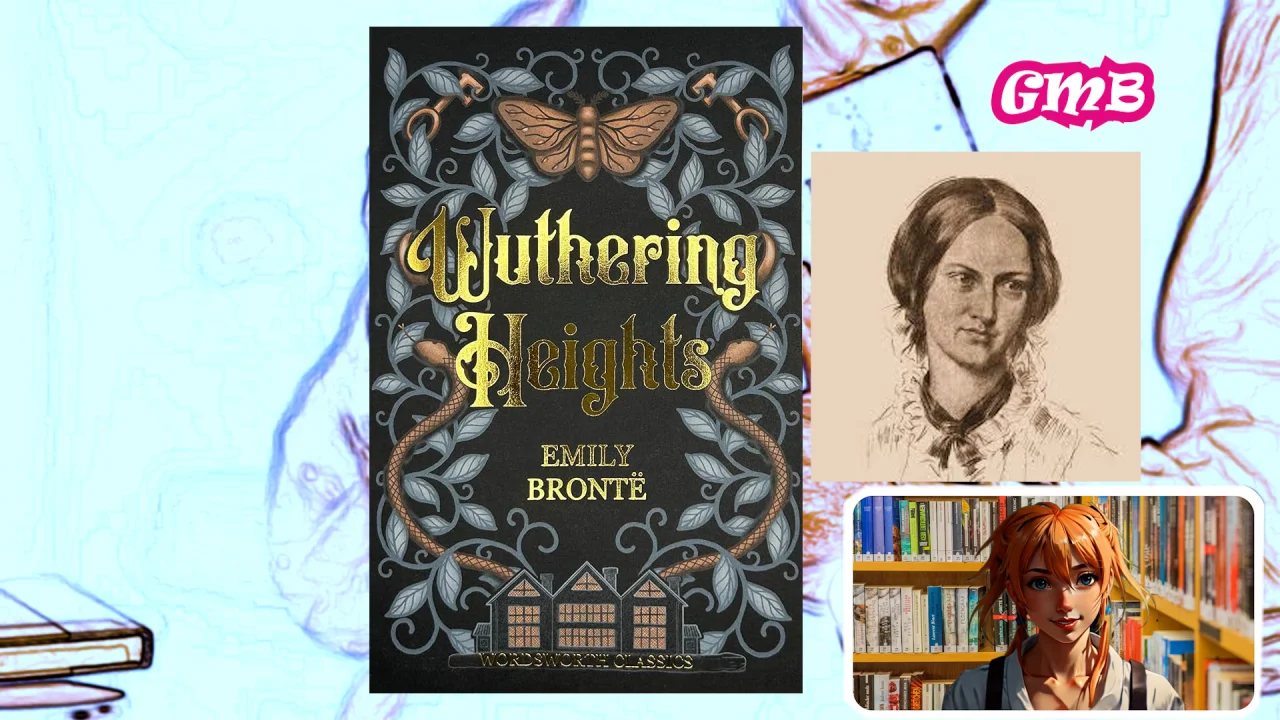
[Hold up the book dramatically]
Yes, the novel I’ve been describing is Wuthering Heights by Emily Brontë_. A Gothic masterpiece of obsession, revenge, and destruction that will haunt you long after the final page.
👉 You can grab the edition I read here: Wuthering Heights on Amazon
My Thoughts & Analysis
Now, the honest truth: I didn’t like any of these characters. Heathcliff is cruel, Catherine is selfish, Hindley is a drunk bully, Edgar is weak, and even Nelly, our supposed moral compass, meddles constantly.
The complexity of relationships is staggering. Almost everyone is connected by blood or marriage across generations, in ways that would make any family therapist’s head explode. And some parts are… honestly confusing: Joseph’s Yorkshire dialect is nearly indecipherable, and Nelly’s perfect memory of decades of conversations stretches credulity.
But here’s what sticks with me: the intensity. Wuthering Heights isn’t about rational people finding happiness—it’s about passionate people destroying themselves and everyone around them. It’s Gothic, it’s tragic, and it’s raw in a way that few novels dare to be.
About Emily Brontë
Emily Brontë published Wuthering Heights in 1847 under the pen name Ellis Bell. Shockingly, it was her only novel. She died just a year later at 30, leaving behind a story that was initially shocking to Victorian readers for its violence and passion.
A reclusive soul, Emily preferred nature and animals over people, yet she crafted a story about the darkest human emotions with incredible precision. Her intensity resonates centuries later, making Wuthering Heights a timeless, haunting read.
Final Verdict
Unlike Jane Austen’s rational romances, Wuthering Heights will leave you unsettled. It’s intense, dark, and full of morally ambiguous characters—but that’s precisely what makes it unforgettable.
If you enjoy Gothic tales of passion, revenge, and complex family drama, this book is for you. If you prefer clear heroes, happy endings, or likeable characters… well, maybe skip this one.
Even though I didn’t like the characters, I can’t stop thinking about their choices, their obsessions, and the bleak beauty of the Yorkshire moors. Wuthering Heights isn’t just a book—it’s an experience that lingers like a ghost tapping at your window.
👉 If you’d like to read the same edition I did, here’s the link: Wuthering Heights on Amazon