 English
 French
 German
 Russian
 中文
中文

A Nation So Corrupt It Starts to Feel Familiar
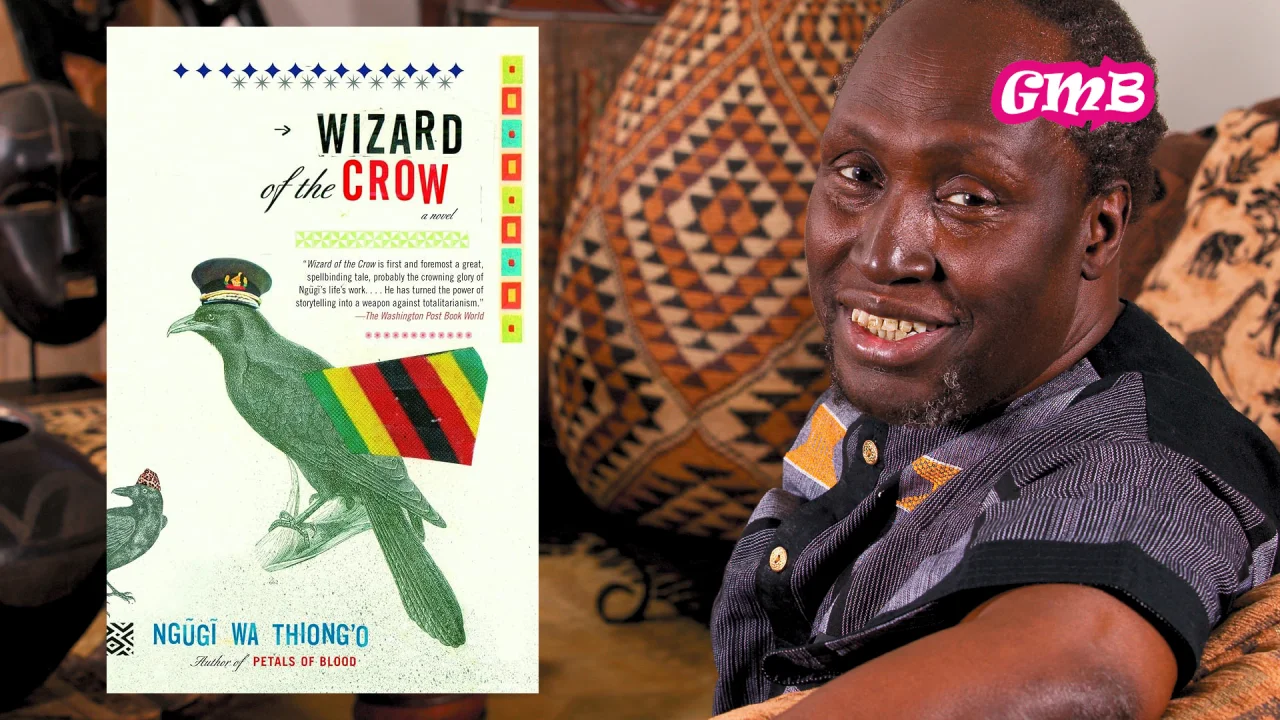
There’s a moment early in this book where I stopped laughing—and just sat there.
Because what began as absurd satire slowly started to feel… uncomfortably real.
A country where leaders compete in corruption like it’s an Olympic sport. Where honesty is suspicious. Where the biggest national dream is a skyscraper meant to poke God in the eye. At first, it’s funny. Then it’s ridiculous. And then, somewhere in between, it hits you:
This isn’t just fiction.
What Kind of Novel Is This?
This is a political satire wrapped in myth, humor, and brutal honesty about power.
-
Genre: Satirical political fiction
-
Tone: Dark, absurd, humorous, disturbing
-
Pace: Moderate to slow (but dense with meaning)
-
Themes: Power, corruption, identity, globalization, resistance
This book is for readers who:
-
Enjoy fiction that challenges rather than comforts
-
Like layered, symbolic storytelling
-
Are interested in politics, African literature, and social critique
This book is NOT for readers who:
-
Want fast-paced, plot-driven stories
-
Prefer clear heroes and villains
-
Dislike long, dense narratives
👉 The edition I read is available here:
https://amzn.to/3KwikkK
Why This Story Matters (Emotional Core)
What stayed with me after finishing Wizard of the Crow wasn’t a character or a specific scene—it was a question:
How does a system become so broken that corruption feels normal?
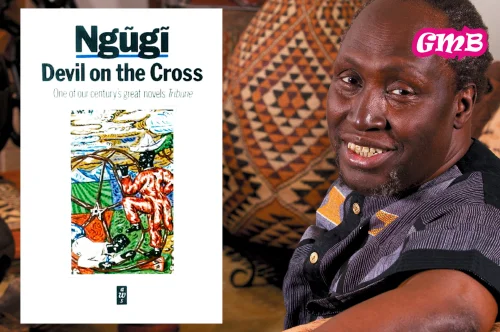
Ngũgĩ wa Thiong’o isn’t just telling a story. He’s dissecting a reality. A reality where leadership becomes performance, where democracy is reduced to branding, and where development is just another word for exploitation.
The fictional country of Aburiria feels like a mirror—not just for one nation, but for many. The kind of mirror that doesn’t flatter you. It exposes.
What makes this novel powerful is that it refuses to offer easy answers. There is no clean resolution, no heroic triumph that fixes everything. Instead, it leaves you with discomfort—and clarity.
It forces you to see how:
-
Power protects itself
-
Corruption adapts
-
And ordinary people are left to navigate systems designed against them
And maybe the most unsettling part?
You begin to recognize pieces of Aburiria in the real world.
A Glimpse of the Story (Minimal, No Spoilers)
In the fictional African state of Aburiria, the Ruler governs through fear, loyalty, and spectacle.
His latest obsession? A grand project called Marching to Heaven—a skyscraper so tall it symbolizes national greatness (and personal ego).
But the country is broke.
To fund the project, the regime turns to foreign donors, promising democracy reforms while quietly ensuring that power never actually changes hands.
Amid this chaos:
-
Political elites scramble for wealth and influence
-
Institutions become tools of control
-
And a quiet resistance begins to form
At the center are two unlikely figures—Kamiti and Nyawira—trying, in their own flawed ways, to push back against a system that seems untouchable.
Analysis & Review
What Works
The satire here is surgical.
Ngũgĩ doesn’t exaggerate for the sake of humor—he exaggerates to reveal truth. The absurdity works because it feels possible. A dictator rebranding himself as a democrat? A vanity project funded by loans the country can’t repay? It sounds ridiculous—until you realize how often versions of this happen.
The novel also excels in its moral complexity.
There are no perfect heroes. Kamiti and Nyawira are not saviors—they’re human. Limited. Flawed. And that’s the point. Change, the book suggests, is never the work of one person.
Another standout is how the book tackles global power dynamics.
It doesn’t just criticize African leadership—it also calls out international institutions. Aid, in this story, isn’t purely benevolent. It’s strategic. Conditional. Sometimes complicit.
What Doesn’t Work
This isn’t an easy read.
The length, the pacing, and the density can feel overwhelming. At times, the narrative meanders, and if you’re expecting a tight, linear plot, this book will test your patience.
The satire can also feel repetitive—but that may be intentional. Corruption itself is repetitive. Cyclical. Exhausting.
Personal Insight
Reading this felt less like entertainment and more like awakening.
It made me rethink how power operates—not just in extreme cases, but in subtle, everyday ways. It made me question systems I usually take for granted.
And more than anything, it left me uneasy.
Because once you see the pattern, it’s hard to unsee it.
Conclusion & Recommendation
Wizard of the Crow is not a comfortable book—but it’s an important one.
You’ll appreciate this novel if:
-
You enjoy stories that challenge your worldview
-
You like political and philosophical fiction
-
You read to understand the world, not escape it
You might struggle with it if:
-
You prefer fast, plot-heavy narratives
-
You want clear resolutions
-
You read purely for entertainment
👉 If this sounds like your kind of book, you can get it here:
https://amzn.to/3KwikkK
Final Thoughts
This isn’t a perfect novel—but it’s an honest one.
And honesty, especially in stories about power, is rare.
What began as satire slowly turned into something heavier. Something that lingers. Something that makes you look at the world a little differently.
If you’ve ever questioned how leaders hold onto power, how systems stay broken, or how truth gets buried under performance—this book will speak to you.
👉 If you’d like to read the same edition I did, here’s the link:
https://amzn.to/3KwikkK