 English
 French
 German
 Russian
 中文
中文

This Village Was Dying… Until Hope Refused to Leave
I kept waiting for the rain.
Not just in the story—but in me too. That quiet expectation that something would finally give, that the tension would break, that relief would come. But page after page, the sky stays empty… and somehow, that emptiness starts to feel personal.
There’s a moment when you realize this isn’t just a story about drought. It’s about people learning how to survive when nothing is coming to save them.
And that’s when it hit me—this book isn’t asking, “Will the rain come?”
It’s asking, “What will you do if it doesn’t?”
What Kind of Novel Is This?
This is a quiet but powerful literary novel about survival, human dignity, and the courage to embrace change.
Tone: Reflective, grounded, quietly hopeful
Pace: Slow to moderate
Themes: Power, resilience, community, oppression, progress vs tradition
This book is for readers who:
-
Enjoy deeply human stories rooted in real struggles
-
Appreciate African literature that explores social and political realities
This book is NOT for readers who:
-
Want fast-paced, plot-heavy storytelling
-
Need clear-cut heroes and villains with simple motivations
👉 The edition I read is available here:
https://amzn.to/4oGrvNk
Intro: A Story That Feels Too Real
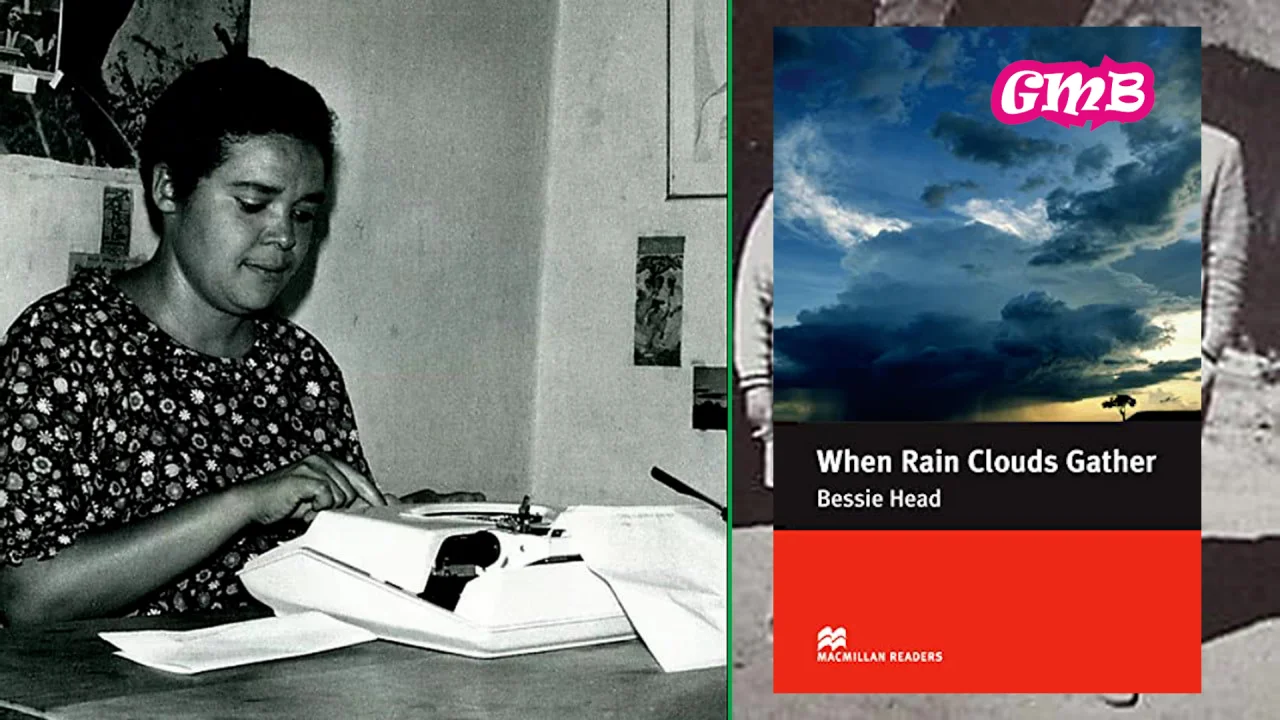
In When Rain Clouds Gather by Bessie Head, you don’t just read about hardship—you sit in it. You feel the dust. The waiting. The slow erosion of hope.
Set in a small Botswana village, the novel follows people who are not just battling the land, but also the invisible systems that keep them stuck. And somehow, despite everything, they keep going.
That quiet persistence is what makes this story unforgettable.
Summary (No Spoilers)
At the center of the story is Makhaya, a man fleeing political oppression in South Africa. He arrives in Golema Mmidi—a remote, drought-stricken village in Botswana—hoping for peace.
Instead, he finds a community struggling to survive.
The village depends on cattle and crops, but the land refuses to cooperate. Drought is constant. Hunger is normal. Progress feels impossible.
Then comes Gilbert, a British agriculturalist with new ideas—modern farming methods that could transform the village. Alongside strong, determined locals like Paulina and the wise elder Dinorego, they begin to imagine a different future.
But change is never simple.
Standing in their way is Matenge—a man driven by control, greed, and fear of losing power. What unfolds is not just a fight against nature, but a deeper conflict between progress and resistance, hope and selfishness.
Analysis & Review: Why This Story Matters
What stayed with me most is how honest this book feels.
Bessie Head doesn’t romanticize struggle. There’s no polished version of rural life here. It’s hard, exhausting, and often unfair. But within that harshness, she finds something more important—possibility.
1. Good vs Evil—Without the Usual Labels
One of the most striking things about this novel is how it handles race and morality.
Gilbert, a white man, becomes a force for good—collaborative, respectful, genuinely invested in the community. Meanwhile, Matenge, a black man, represents oppression and greed.
It’s a bold statement:
evil isn’t about race—it’s about choices.
And that message still feels relevant today.
2. The Drought Is More Than Weather
The drought in this book isn’t just environmental—it’s symbolic.
It represents:
-
Stagnation
-
Generational poverty
-
The feeling of being trapped in a system that doesn’t change
And the rain?
That’s hope. But not passive hope—the kind that comes from people working together, challenging old systems, and risking something new.
3. Tradition vs Progress (Handled with Care)
What I appreciated most is that the book doesn’t attack tradition blindly.
It respects the sense of identity and community it brings. But it also questions what happens when tradition becomes a cage—when people stick to outdated practices even when they’re clearly failing.
That tension feels incredibly real, especially in societies trying to balance heritage with development.
4. Writing Style: Simple, But Deeply Effective
Bessie Head’s writing is not flashy.
It’s clear. Direct. Almost understated.
But that simplicity is deceptive—because underneath it is a sharp, observant mind capturing human behavior with precision. She lets the story breathe, and in doing so, she makes it feel real.
Conclusion & Recommendation
This isn’t a loud novel.
It doesn’t rely on dramatic twists or shocking reveals. Instead, it builds something quieter—and in many ways, more powerful.
This isn’t a perfect novel—but it’s an honest one.
And those are rare.
You’ll appreciate this book if you enjoy stories that explore human resilience, social change, and the quiet strength of communities trying to rebuild themselves.
But if you’re looking for fast action or easy answers, this might feel too slow, too reflective.
Final Thoughts
I started this book waiting for the rain.
I finished it realizing the rain was never the point.
The real story is about people who refuse to give up—even when everything around them suggests they should.
And maybe that’s why it lingers. Because long after you close the book, the question stays with you:
What does hope look like when nothing is guaranteed?
👉 If you’d like to read the same edition I did, here’s the link:
https://amzn.to/4oGrvNk