 English
 French
 German
 Russian
 中文
中文
The Plantation by Ovo Adagha: When Oil Becomes a Curse, Not a Blessing
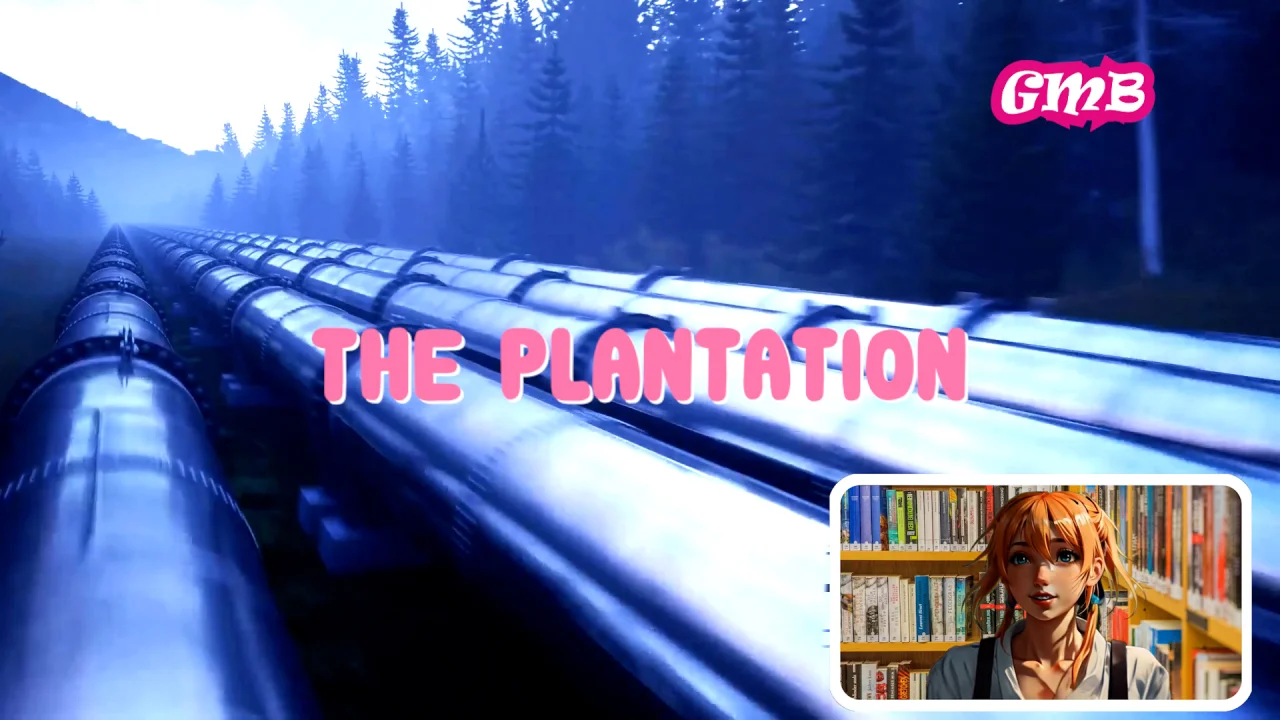
When a Jackpot Feels Like Death
You know poverty has a way of twisting opportunity into danger. Imagine this: you’re a hardworking farmer in Nigeria, trudging through your rubber plantation, when you hear a soft hiss—psssssssssss—under your feet. Not a snake. Not rain on the leaves. It’s crude oil, gushing into your soil. Jackpot, right?
Well… not exactly. In the Niger Delta, even a jackpot comes with a price. Usually death.
This is the exact dilemma at the heart of “The Plantation” by Ovo Adagha, part of the 2010 Caine Prize anthology A Life in Full and Other Stories. The story follows Namidi, a simple man with a rubber plantation, whose discovery of oil beneath his land turns his life—and his family’s life—upside down.
A Glimpse into the Niger Delta
The Plantation plunges readers into the oil-rich but impoverished Niger Delta. Here, the land is fertile, but the people are starving. The soil drips wealth, yet hunger runs rampant above it. Namidi, trying to provide for his family, discovers petrol leaking underground. Desperation wins over caution, and he sets out to collect it.
As Namidi’s family scrambles to fill jerrycans with stolen oil, tension rises. Even his son, Ochuko, is enlisted to keep watch—a child left to monitor a dangerous, flammable commodity. A tragic accident sparks chaos, and the “jackpot” becomes a devastating fire.
The story doesn’t rely on sensationalism. Instead, Adagha’s simple, deliberate prose paints a complex picture of greed, desperation, and systemic oppression.
Why This Story Hits Hard
Reading The Plantation left me both unsettled and thoughtful. What struck me most was its simplicity. There’s no overwriting, no melodrama—just a man, his family, and a literal fire waiting to consume them. Yet within this simplicity lies a profound critique of history, politics, and survival.
Several themes stand out:
-
Poverty and exploitation – Not laziness, but enforced poverty caused by systemic neglect.
-
Greed versus desperation – Namidi isn’t trying to get rich; he’s trying to claim a piece of what’s already under his feet.
-
Environmental destruction – Oil poisons the soil, the air, and eventually the lives of the villagers.
-
Loss of innocence – Through Ochuko and Onome, we witness how children inherit the consequences of adult decisions.
Adagha also makes the Niger Delta’s geopolitical reality tangible. Wealth flows to distant cities and politicians, while the local population bears the risk and the fallout. The story reminds me of Chinua Achebe’s haunting line from A Man of the People: “The trouble with our new nation… was not in the absence of knowledge, but in the will to use it.”
The fire that consumes the villagers is more than an accident—it’s a metaphor for the system that traps them. It’s surreal, horrifying, and deeply poetic.
About Ovo Adagha
Ovo Adagha is a Nigerian writer whose works span short stories, poetry, and non-fiction. He has been published widely in both online and print journals and co-edited the anthology One World in 2009. At the time of writing The Plantation, Adagha was living in London, bringing a global perspective to local tragedies.
You can explore his story in the Caine Prize 2010 anthology here: A Life in Full and Other Stories.
My Take: A Story That Burns In
The Plantation is not comfortable reading. It’s tragic, unsettling, and relentlessly honest. But it’s precisely this honesty that makes it unforgettable. It’s a story that forces you to confront questions about poverty, inequality, and human survival.
You won’t finish this story without thinking of the Niger Delta and its people—not as statistics, but as human lives shaped by greed, exploitation, and circumstance. Adagha’s narrative gives voice to the voiceless, capturing the tension between opportunity and danger, survival and morality.
Who Should Read This Book
You’ll appreciate The Plantation if:
-
You enjoy African literature that blends social critique with storytelling.
-
You want stories that make you think, not just escape.
-
You’re drawn to narratives that explore moral dilemmas, poverty, and systemic injustice.
You might struggle with this story if:
-
You prefer fast-paced plots with neat resolutions.
-
You dislike open-ended, reflective tragedies.
If this sounds like your kind of story, grab a copy here: The Plantation – A Life in Full and Other Stories.
Final Thoughts
Sometimes, even when you think you’ve found a goldmine, all you’ve really uncovered is fire. That’s the enduring lesson of The Plantation. It’s a mirror held up to oil-rich Africa, reflecting the harsh reality of systemic inequality, environmental devastation, and human desperation.
This isn’t a story that comforts—it challenges, shakes, and stays with you. And for anyone who cares about the stories behind Africa’s headlines, Ovo Adagha’s tale is essential reading.
“Sometimes poverty doesn’t kill you with hunger. It burns you alive.”
📚 Read The Plantation by Ovo Adagha in the Caine Prize anthology here: A Life in Full and Other Stories.
💬 I’d love to hear your thoughts—what would you do if you found petrol leaking in your own backyard?