 English
 French
 German
 Russian
 中文
中文

A Tiny Sting That Ruined Everything
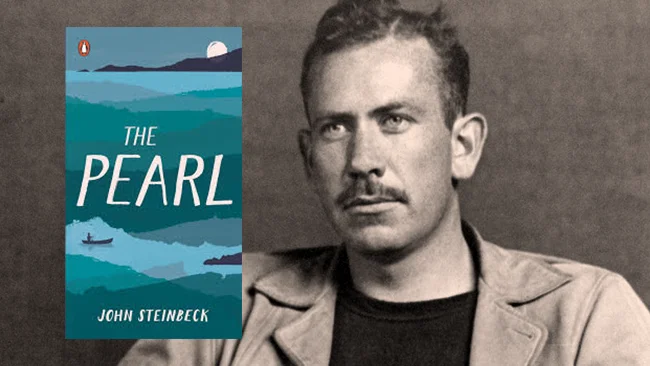
There’s a moment in The Pearl that still makes me uneasy — and it’s not the violence, or even the ending. It’s the instant when hope enters Kino’s life and refuses to leave quietly.
It begins with a scorpion sting. One small, almost absurd creature drops into a peaceful morning and poisons everything that comes after. That sting doesn’t just hit Coyotito’s shoulder — it sinks into Kino’s imagination. And once that happens, there’s no going back.
What John Steinbeck does in this short novel is terrifying in its simplicity: he shows how a dream can rot from the inside, even when it starts out pure.
This book doesn’t shout. It tightens.
What Kind of Novel Is This?
The Pearl is a tragic moral fable about hope, greed, and the cost of believing that money can fix a broken world.
-
Tone: Quiet, dark, and unsettling
-
Pace: Slow but inevitable
-
Themes: Greed, class oppression, colonial power, masculinity, fate, and illusion
This book is for readers who:
-
Like short novels that hit emotionally harder than long ones
-
Enjoy stories that feel symbolic but painfully human
This book is not for readers who:
-
Want comforting endings
-
Prefer clear heroes and villains
-
Read fiction only for escapism
👉 The edition I read is available here:
The Pearl by John Steinbeck – Paperback
Why This Story Matters (The Emotional Core)
At its heart, The Pearl isn’t really about a gem — it’s about what happens when poverty meets possibility.
Kino doesn’t want luxury. He wants dignity. Education for his son. Respect. Safety. And that’s what makes his downfall so painful. Every violent choice he makes grows out of something that once looked reasonable.
Steinbeck refuses to let us believe that wealth is neutral. In this story, money doesn’t just reveal who people are — it actively reshapes them. The priest, the doctor, the pearl buyers — they all circle Kino the moment he becomes useful.
What stayed with me after finishing this book was how quickly the community turns. The pearl isolates Kino long before it destroys him. And by the time he realizes the pearl owns him — not the other way around — it’s already too late.
This is a novel that asks a brutal question and never answers it comfortably:
Is hope dangerous when the world is stacked against you?
A Glimpse of the Story (No Spoilers)
A poor pearl diver named Kino lives peacefully with his wife Juana and their infant son by the sea. After tragedy strikes, Kino finds a massive pearl — a discovery that promises escape from poverty.
But instead of freedom, the pearl attracts envy, violence, and manipulation. As Kino clings tighter to his dream, the cost of holding onto it grows unbearably high.
That’s all you need to know.
Who This Book Is Perfect For
You’ll enjoy The Pearl if:
-
You like stories that feel symbolic without being abstract
-
You enjoy moral dilemmas that don’t offer easy answers
-
You appreciate Steinbeck’s quiet, devastating prose
You might struggle with this book if:
-
You need fast-paced plots
-
You want redemption arcs
-
You dislike bleak endings
👉 If this sounds like your kind of book, you can find it here:
The Pearl by John Steinbeck – Kindle Edition
About the Author: John Steinbeck
Published in 1947, The Pearl fits perfectly within Steinbeck’s lifelong obsession: ordinary people crushed by systems they didn’t create.
The same author who gave us Of Mice and Men and The Grapes of Wrath brings that same compassion and cruelty here — just in a more concentrated form. Steinbeck doesn’t romanticize poverty, and he doesn’t glamorize ambition either. He shows both as traps.
If you’ve read his other work, this book will feel familiar — but sharper, leaner, and more allegorical.
👉 If you’re exploring Steinbeck, this pairs well with:
Of Mice and Men – Paperback
My Honest Verdict
This isn’t a perfect novel — but it’s an honest one.
What worked:
-
The symbolism never overwhelms the story
-
Juana is one of Steinbeck’s strongest moral characters
-
The ending is unforgettable
What didn’t:
-
Some characters are intentionally flat
-
The message is heavy-handed at times
Still, I recommend The Pearl because it understands something many books avoid: not all dreams are meant to come true — especially in an unfair world.
Final Thoughts & Recommendation
The Pearl begins with hope and ends with silence. And that silence lingers.
It’s a short read, but it leaves a long shadow. You don’t walk away entertained — you walk away changed, slightly more suspicious of easy miracles and sudden fortune.
If you enjoy fiction that makes you uncomfortable in the best way, this book deserves a place on your shelf.
👉 If you’d like to read the same edition I did, here’s the link:
The Pearl by John Steinbeck – Paperback
Optional Add-Ons
Similar Books You Might Like
-
Of Mice and Men — John Steinbeck
-
Things Fall Apart — Chinua Achebe
Best Format
-
Paperback — the weight and pacing suit a reflective read