 English
 French
 German
 Russian
 中文
中文

A Family So Broken It Questions God Itself
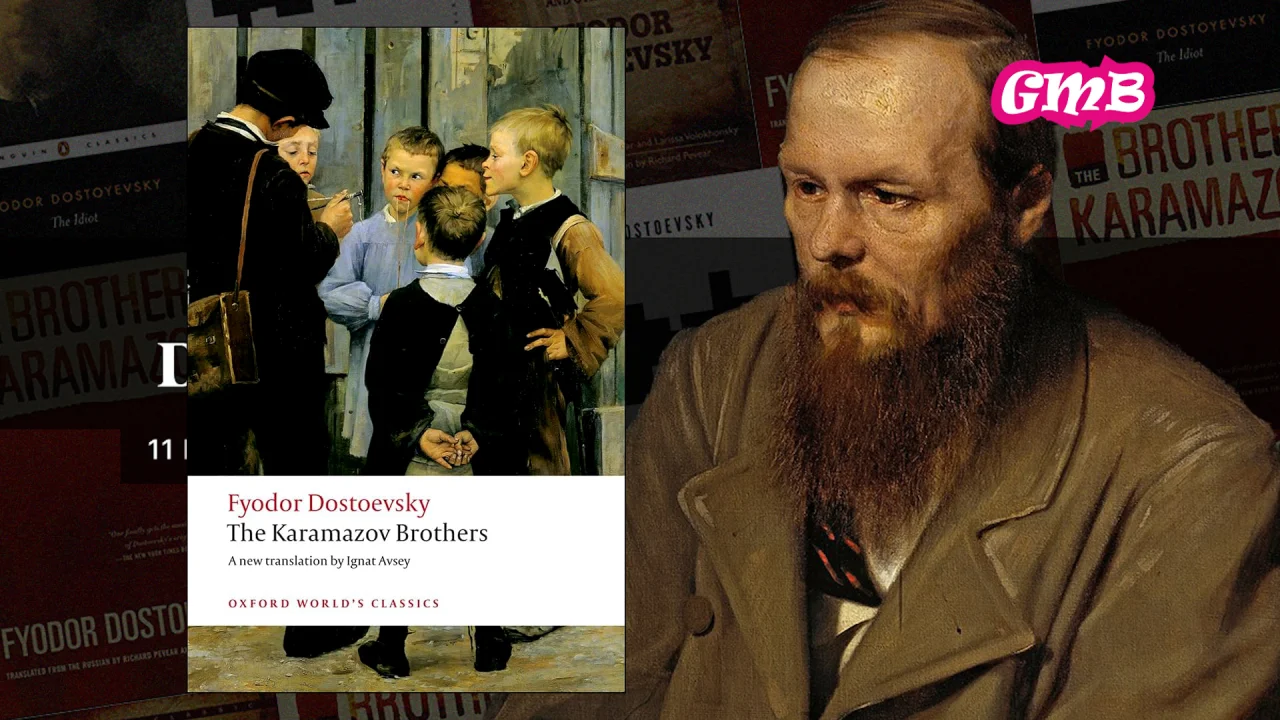
There’s a moment early on when I realized this wasn’t just going to be a story about a messy family. It felt like standing in a room where everyone is shouting—but instead of insults, they’re throwing questions about God, freedom, and morality at each other.
And somehow, it gets personal.
Because as the chaos unfolds, you start to wonder: What would I believe if pushed this far? What would I become if everything I thought was right suddenly collapsed?
That’s the unsettling power of The Brothers Karamazov by Fyodor Dostoevsky—a novel that doesn’t just tell a story, but quietly interrogates your entire worldview.
What Kind of Novel Is This?
This is a philosophical, psychological, and deeply emotional novel about faith, morality, and the chaos of human nature.
Tone: Dark, reflective, intense
Pace: Moderate (with bursts of emotional and intellectual intensity)
Themes: Faith vs. doubt, free will, justice, family conflict, redemption, morality
This book is for readers who:
-
Love novels that ask difficult, uncomfortable questions
-
Enjoy deep philosophical and psychological exploration
-
Don’t mind sitting with ideas long after the story ends
This book is NOT for readers who:
-
Want a fast-paced, plot-driven story
-
Prefer clear-cut heroes and villains
-
Dislike dense, idea-heavy writing
👉 The edition I read is available here:
https://amzn.to/4oGrvNk
A Brief Summary (No Spoilers)
Set in a small Russian town, the story revolves around the deeply dysfunctional Karamazov family—a reckless father and his three very different sons.
When both the father and one of the sons fall in love with the same woman, tensions explode into jealousy, rivalry, and emotional chaos. Add to that a simmering conflict over money, pride, and long-standing resentment—and you get a situation that feels destined for disaster.
Then a murder happens.
What follows is not just an investigation, but a deep dive into guilt, responsibility, and the terrifying possibility that ideas—not just actions—can destroy lives.
Why This Story Matters
What stayed with me after finishing this book wasn’t the murder or the trial.
It was the questions.
Dostoevsky doesn’t give you answers. Instead, he places you right in the middle of a moral battlefield. Through characters like the passionate Dmitri, the intellectual Ivan, and the gentle Alyosha, you see different ways of confronting life’s biggest dilemmas—and none of them feel entirely sufficient.
Ivan’s haunting idea—that without God, everything is permitted—lingers like a shadow over the entire novel. And the frightening part isn’t whether it’s true or false. It’s how easily it begins to make sense the longer you sit with it.
Then there’s the famous “Grand Inquisitor” section—arguably one of the most powerful pieces of writing in literature. It suggests something deeply uncomfortable: that human beings may not actually want freedom. That we might prefer safety, certainty, and control—even at the cost of our own independence.
And suddenly, this 19th-century novel doesn’t feel old at all.
It feels like it’s talking about now.
A Glimpse of the Story
At its core, this is a story about:
-
A broken family bound by resentment
-
A rivalry fueled by love, pride, and money
-
A philosophical conflict over God, morality, and human freedom
And at the center of it all is a question that refuses to go away:
Are we responsible only for what we do—or also for what we believe?
Analysis & Review
What makes The Brothers Karamazov extraordinary is its depth.
The characters don’t feel like characters—they feel like embodiments of ideas in human form. Dmitri is raw emotion, Ivan is cold intellect, and Alyosha is spiritual compassion. And yet, none of them are simple. Each one contradicts themselves in ways that feel painfully real.
Dostoevsky’s greatest strength is how he turns abstract philosophy into lived experience. You don’t just read about moral dilemmas—you watch them unfold in messy, human ways.
But this depth comes at a cost.
At times, the novel feels overwhelming. The philosophical discussions can stretch on, and if you’re not in the right mindset, it can feel heavy. This isn’t a book you rush through—it’s one you sit with, wrestle with, and sometimes even step away from.
Still, that’s also what makes it unforgettable.
Who This Book Is Perfect For
You’ll enjoy this novel if:
-
You like books that challenge your beliefs
-
You enjoy philosophical fiction that goes beyond surface-level storytelling
-
You read to think, reflect, and question
You might struggle with this book if:
-
You prefer fast-paced plots
-
You need clear moral answers
-
You don’t enjoy long, reflective passages
👉 If this sounds like your kind of book, you can get it here:
https://amzn.to/4oGrvNk
My Honest Verdict
This isn’t an easy novel.
It’s dense, demanding, and at times exhausting. But it’s also one of the most intellectually and emotionally rewarding books I’ve ever read.
What worked:
-
The depth of ideas and philosophical exploration
-
Complex, unforgettable characters
-
Timeless relevance
What didn’t:
-
Some sections feel overly long
-
The pacing can drag if you’re not fully engaged
This isn’t a perfect novel—but it’s an honest one.
And those are rare.
Final Thoughts & Recommendation
If you’re looking for a book that simply entertains, this might not be it.
But if you’re willing to engage with something deeper—something that questions your beliefs, challenges your assumptions, and stays with you long after you’ve finished—then The Brothers Karamazov is worth your time.
It’s not just a story about a family.
It’s a story about what it means to be human—to believe, to doubt, to love, and to struggle with the weight of our own freedom.
And that’s why, even now, it still feels alive.
👉 If you’d like to read the same edition I did, here’s the link:
https://amzn.to/4oGrvNk
Similar Books You Might Like
-
Crime and Punishment
-
Notes from Underground
Best Format to Read This Book
Paperback or Kindle.
You’ll likely want to pause, reread, and reflect—and both formats make that easier than rushing through an audiobook.