 English
 French
 German
 Russian
 中文
中文

The Quiet Collapse of Dreams: Why Last Evenings on Earth Feels So Uncomfortably Real
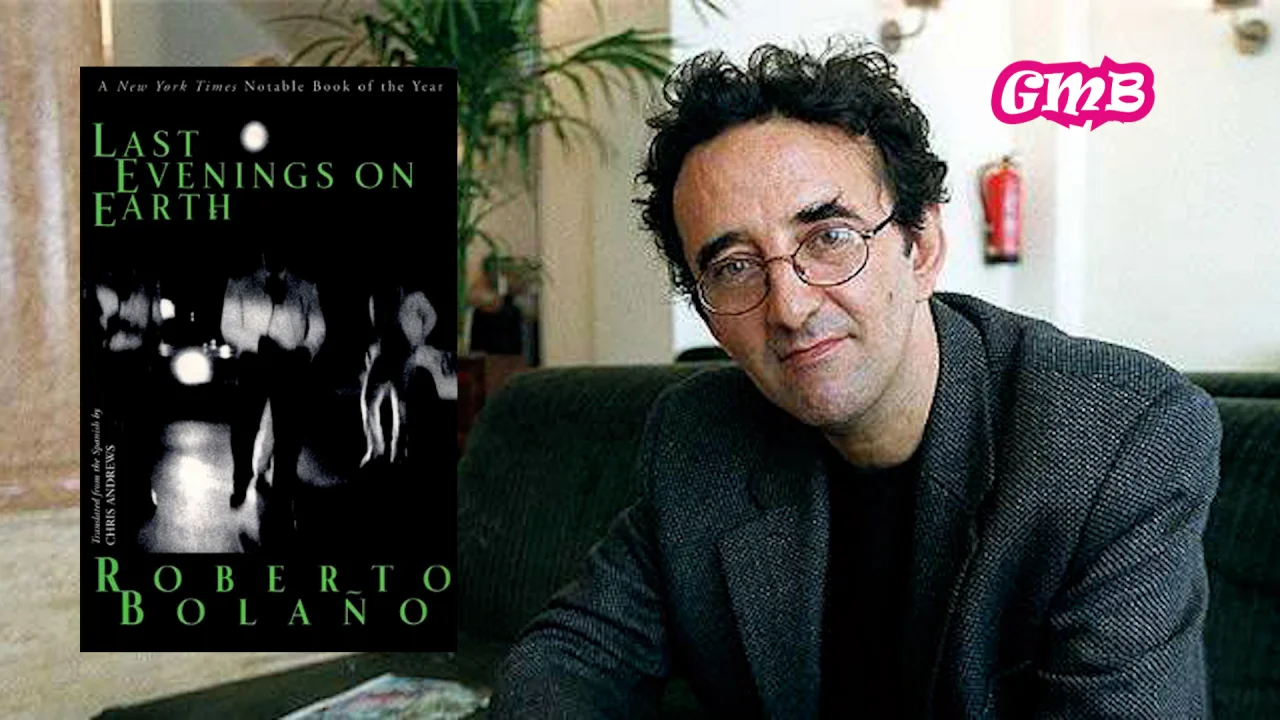
There’s a moment when you’re reading this book where you stop—not because something dramatic happened, but because nothing did.
Just a character sitting somewhere unfamiliar, thinking about a life that didn’t turn out the way they imagined. And suddenly, it feels a little too close to home.
That’s the unsettling power of Last Evenings on Earth by Roberto Bolaño. It doesn’t explode—it lingers. Quietly. Uncomfortably.
And before you realize it, you’re no longer just reading about these characters. You’re sitting beside them.
What Kind of Book Is This?
This is a literary short story collection about failure, exile, identity, and the quiet weight of unrealized lives.
Tone: Dark, reflective, quietly disturbing
Pace: Slow to moderate
Themes: Exile, artistic failure, political trauma, loneliness, identity, powerlessness
This book is for readers who:
-
Enjoy introspective, character-driven fiction
-
Like stories that feel more like emotional experiences than plots
This book is NOT for readers who:
-
Need fast-paced, action-heavy storytelling
-
Prefer clear resolutions and satisfying endings
👉 The edition I read (translated by Chris Andrews) is available here:
https://amzn.to/3XIR8lG
Summary (No Spoilers)
This collection brings together 19 stories set across Mexico, Spain, Chile, and the United States. Most of the characters are Chilean exiles—writers, drifters, and observers—trying to make sense of lives that feel stalled.
In “Sensini,” a struggling writer forms a quiet bond with an older, exiled author through literary competitions and letters.
In “Henri Simon Leprince,” we follow a man who fails upward—never quite succeeding, but never entirely disappearing either.
In “Enrique Martin,” a poet’s inability to reinvent himself leads him into despair.
And in the title story, “Last Evenings on Earth,” a father and son vacation in Acapulco, but beneath the surface, something feels deeply off—like a calm before an unnamed storm.
Other stories explore disturbing encounters, political violence, and the strange, often lonely lives of people drifting through unfamiliar places.
There are no grand victories here. Just people trying—and often failing—to hold themselves together.
Analysis & Review
What makes this book so powerful is how small everything feels.
There are no epic plots. No heroic arcs. Just fragments of lives—moments where something almost happens, or should have happened, but didn’t.
And somehow, that’s exactly the point.
1. The Brutal Honesty About Failure
Bolaño doesn’t romanticize the struggling artist. He strips away the illusion.
These writers aren’t misunderstood geniuses waiting to be discovered. Some are mediocre. Some are desperate. Some are just… tired.
Stories like “Henri Simon Leprince” and “Enrique Martin” show that failure isn’t always dramatic. Sometimes, it’s quiet. Repetitive. Almost invisible.
And that’s what makes it hurt.
2. Exile as a Permanent State of Mind
Even when the characters aren’t physically displaced, they feel exiled—from their past, their ambitions, even themselves.
There’s always a sense that something has been lost, and it’s not coming back.
You feel it in “Sensini,” where friendship exists only through letters.
You feel it in “Dance Card,” where survival comes with a lingering sense of unease.
This isn’t just political exile—it’s emotional exile.
3. The Shadow of Political Violence
Though rarely front and center, the presence of Augusto Pinochet’s regime lingers in the background like a quiet threat.
Arrests. Disappearances. Fear.
Even when characters try to move on, the past follows them.
And Bolaño never over-explains it. He lets the silence do the work.
4. The Strange, Unsettling Moments
Some stories take sudden, disturbing turns.
In “Mauricio (‘The Eye’) Silva,” what begins as travel turns into something deeply unsettling.
In “The Grub,” a simple encounter feels oddly off, like reality is slightly tilted.
These moments don’t resolve neatly. They just sit with you.
5. The Writing Itself
The prose is deceptively simple.
Short sentences. Clear language. But every line feels precise—like it’s been sharpened.
The first-person narration makes everything feel intimate, almost confessional. And the present tense gives it a strange immediacy, like you’re watching thoughts unfold in real time.
Credit also goes to Chris Andrews—the translation captures that quiet intensity perfectly.
Why This Story Matters
This isn’t a book about events.
It’s a book about states of being.
About what it feels like to realize your life didn’t turn out the way you thought it would. About the quiet panic of being stuck. About the strange, fragile ways people keep going anyway.
What stayed with me wasn’t any specific story—but the mood.
That feeling of sitting in a foreign place, aware that something is off, but not knowing what.
Or worse—knowing exactly what, and realizing you can’t change it.
In a world that constantly pushes success, clarity, and forward motion, this book does the opposite.
It pauses.
And asks: What if nothing changes?
Who This Book Is Perfect For
You’ll enjoy this novel if:
-
You like books that explore uncomfortable emotional truths
-
You enjoy writers like Franz Kafka or W.G. Sebald
-
You read fiction to reflect, not just escape
You might struggle with this book if:
-
You prefer fast-paced, plot-driven stories
-
You need clear heroes and resolutions
-
You dislike ambiguity or open-ended narratives
👉 If this sounds like your kind of book, you can get it here:
https://amzn.to/3XIR8lG
My Honest Verdict
This isn’t a perfect book—but it’s an honest one.
What worked:
-
The emotional depth and psychological realism
-
The consistency of tone across all 19 stories
-
The subtle, lingering impact of each narrative
What didn’t:
-
Some stories feel too quiet, almost to the point of fading away
-
If you’re not in the right mood, it can feel heavy and repetitive
And yet, I still recommend it.
Because books like this don’t try to impress you—they stay with you.
Final Thoughts & Recommendation
Last Evenings on Earth isn’t the kind of book you read for entertainment.
It’s the kind you read when you’re willing to sit with discomfort. When you want something that reflects life—not as a neat story, but as a series of unfinished moments.
If you’ve ever felt stuck, uncertain, or quietly out of place in your own life, this book will feel strangely familiar.
And maybe that’s why it matters.
👉 If you’d like to read the same edition I did, here’s the link:
https://amzn.to/3XIR8lG
Similar Books You Might Like
-
The Emigrants by W.G. Sebald
-
The Trial by Franz Kafka
Best Format to Read This Book
Paperback.
This is a book you’ll want to pause, reread, and sit with. The physical format makes that easier.