 English
 French
 German
 Russian
 中文
中文
Kings, Betrayals, and the Quiet Power of Healing
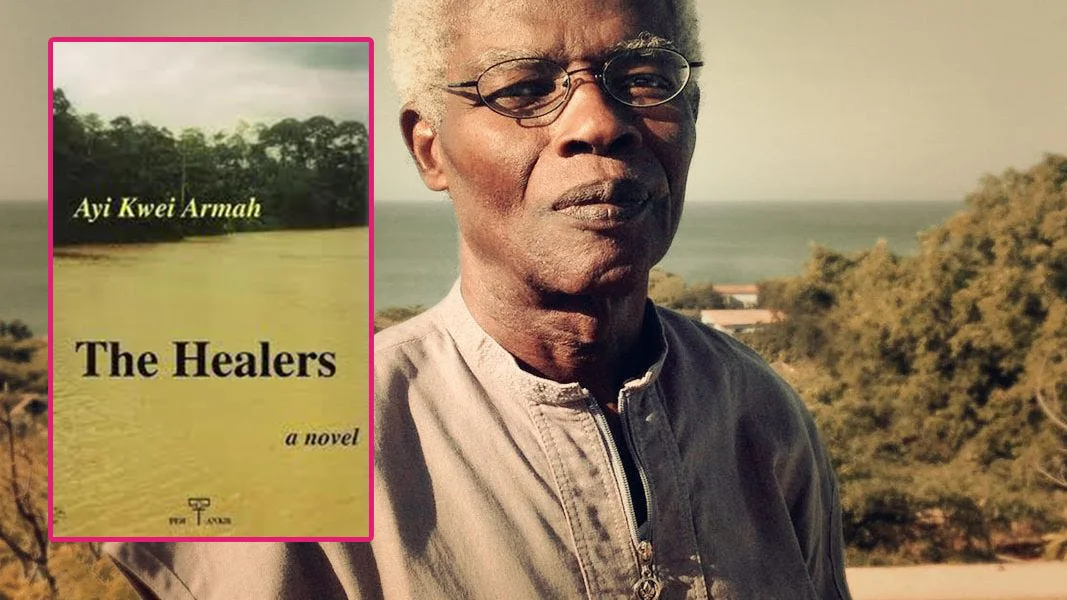
A Review of The Healers by Ayi Kwei Armah
Alright, picture this: it’s the 19th century, somewhere deep in the heat of West Africa. Kings are squabbling like children fighting over the biggest piece of meat. Colonial powers are lurking in the background, pulling strings, whispering lies, and setting traps. And right in the middle of all this chaos is one man who wants absolutely nothing to do with power.
He just wants to heal people.
That man is Densu, and this is where The Healers begins — quietly, deceptively — before spiraling into a story of betrayal, political sabotage, and a continent slowly being torn apart from the inside.
👉 The edition I read of The Healers is available here:
The Healers by Ayi Kwei Armah
A Prince Who Refused the Throne
Imagine being framed for murder simply because you didn’t want to become king.
That’s Densu’s crime.
He’s next in line for power, but instead of dreaming about thrones and armies, he wants to study healing under the guidance of the wise and disciplined Damfo. Healing, in Armah’s world, isn’t just about medicine — it’s about restoring wholeness to a fractured people.
Unfortunately, Densu’s refusal threatens the ambitions of his guardian, Ababio — one of literature’s most infuriating opportunists. Ababio doesn’t just steal credit or spread rumors. He frames his own godson for murder to clear his path to power.
And just like that, Densu is forced into exile, retreating into the Eastern Forest while the world he left behind begins to rot.
Colonial Schemes and African Complicity
While Densu learns the healer’s path, the larger tragedy unfolds.
The British colonial forces aren’t portrayed as cartoon villains sipping tea and twirling mustaches. Armah makes it clear: colonial domination succeeds because African leaders help it succeed. Chiefs and kings are manipulated, bribed, and weaponized against one another.
Wars break out. Alliances crumble. Warriors from different regions are dragged into conflicts that ultimately benefit outsiders.
And the bitter truth Armah keeps returning to is this:
Africa didn’t fall only because it was invaded — it fell because it was divided.
When Kings Fear Healers More Than Colonizers
One of the most haunting elements of The Healers is the fear African rulers develop toward the healers themselves.
Why?
Because healers threaten the system.
They don’t care about thrones. They don’t profit from war. They believe unity is not just possible, but necessary. To kings clinging desperately to power, that makes healers dangerous.
So dangerous, in fact, that Asante leaders send troops after them — choosing to hunt their own people instead of confronting the colonial threat tearing their world apart.
It’s tragic. And it’s painfully familiar.
What Kind of Novel Is The Healers?
This is a historical, philosophical, and deeply political novel about African unity and self-destruction.
-
Tone: Reflective, mournful, quietly angry
-
Pace: Slow-burning, deliberate
-
Themes: Power, betrayal, unity, colonial manipulation, healing, responsibility
This book is for readers who:
-
Love African historical fiction with depth
-
Enjoy novels that challenge political and cultural myths
-
Don’t need heroes to be loud to be powerful
This book is not for readers who:
-
Want fast-paced action every chapter
-
Prefer clear-cut villains and simple resolutions
👉 You can check the current paperback and Kindle editions here:
The Healers
Why This Story Still Hurts — and Still Matters
Armah refuses to comfort the reader.
He exposes how greed, ego, and fear destroyed opportunities for unity long before colonial rule was fully cemented. Characters like Ababio and the Queen Mother of Kumase aren’t monsters — they’re painfully human. They sabotage wars, betray allies, and sacrifice entire communities because they’re terrified of losing relevance.
But Armah doesn’t leave us drowning in despair.
The healers exist as proof that another path was always possible. They work quietly, patiently, believing that Africa’s fragmentation is not permanent — just prolonged.
Reading The Healers today feels uncomfortably relevant. Leaders still prioritize power over people. External forces still exploit internal divisions. And those who genuinely try to heal society are still treated as threats.
You can’t help but think of figures like Kwame Nkrumah or Patrice Lumumba — visionaries whose dreams of unity made them dangerous.
And it raises a question the novel never answers directly:
Who are the healers of our time?
A Glimpse of the Story (No Spoilers)
At its core, The Healers is about a young man forced into exile who finds a higher calling — while his homeland collapses under the weight of betrayal, fear, and foreign manipulation.
It’s about choosing long-term healing over short-term power.
And paying the price for it.
Read Two Thousand Seasons First (Trust Me)
If this is your first Ayi Kwei Armah novel, here’s a gentle warning:
The Healers hits harder if you’ve already read Two Thousand Seasons.
Think of Two Thousand Seasons as the spiritual and ideological foundation — the rage and the diagnosis.
The Healers is the quiet response: what healing actually looks like after devastation.
👉 You can find Two Thousand Seasons here:
Two Thousand Seasons on Amazon
My Honest Verdict
This isn’t a perfect novel.
It’s slow. It demands patience. Some characters feel more symbolic than flesh-and-blood.
But it’s honest.
And that honesty is rare.
The Healers doesn’t flatter Africa, doesn’t beg for sympathy, and doesn’t offer easy redemption. What it offers instead is something more difficult — responsibility.
Final Thoughts
Ayi Kwei Armah believed healing Africa’s wounds would take centuries. But he also believed it was inevitable.
That belief pulses through every page of The Healers. It’s not a story of victory — it’s a story of persistence. Of people who choose to plant seeds they may never live to see grow.
If you’re looking for a novel that challenges how you think about history, power, and unity — not just in Africa, but everywhere — this book is worth your time.
👉 If you’d like to read the same edition I did, you can find it here:
The Healers by Ayi Kwei Armah
Until next time: stay curious, stay kind, and don’t shy away from books that make you uncomfortable. Those are usually the ones doing the real work.