 English
 French
 German
 Russian
 中文
中文

The Government Inspector by Nikolai Gogol: A Hilarious Take on Corruption and Human Folly
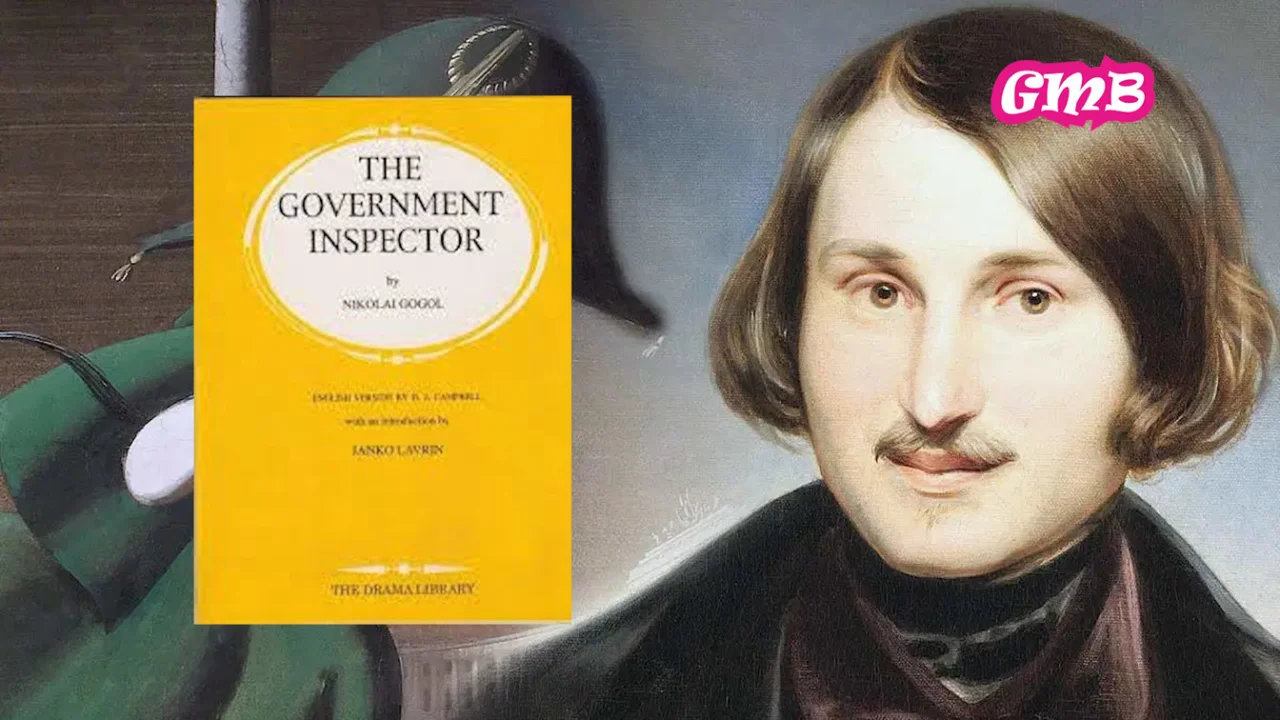
When Panic Meets Bureaucracy: My First Encounter
Have you ever panicked because someone important might be watching? Maybe it was your boss catching you scrolling memes at work, or your mom announcing that a guest is coming over—and suddenly everyone’s scrubbing the house like they’re auditioning for a cleaning commercial.
Now, imagine that same panic—but instead of a messy living room, it’s an entire town buried knee-deep in corruption, bribery, and incompetence. And instead of your mom or boss, it’s a high-ranking government inspector. That’s the chaos at the heart of Nikolai Gogol’s The Government Inspector, a 19th-century comedy that’s as hilarious as it is disturbingly true.
From the very first page, you’re thrust into a town where officials are more interested in lining their own pockets than serving the public. And when rumors spread that an inspector is arriving, the scramble that follows is equal parts absurd and insightful.
👉 You can check out the edition I read on Amazon here.
A Town Run on Panic and Bribes: The Story in Brief
Set in a small provincial town in Tsarist Russia, life is… functionally dysfunctional. The streets are filthy, buildings crumble, and every public official—from the Mayor to the School Superintendent—is more invested in self-interest than civic duty.
When news arrives that a government inspector from Saint Petersburg is traveling incognito to audit the town, panic sweeps through the administration. Suddenly, hospitals are whitewashed, schools are painted, and streets swept—all in a desperate attempt to hide the town’s dysfunction.
Here’s where Gogol turns the story on its head: the “inspector” isn’t an official at all. He’s Ivan Alexandrovitch Hlestakov, a broke civil servant passing through town. Mistaken for the powerful visitor, Hlestakov finds himself showered with bribes, flattery, and admiration. What starts as an innocent misunderstanding soon spirals into a riotous parade of greed, lies, and absurd romance—complete with the Mayor’s wife and daughter vying for his attention.
As Hlestakov basks in his accidental power, the town’s corruption mirrors back on him, showing how even the naïve can be transformed by an environment built on deceit. The climax? A grand reveal that leaves everyone—officials, citizens, and Hlestakov included—staggering under the weight of their own foolishness.
Why The Government Inspector Still Hits Today
At first glance, Gogol’s play is just funny. But beneath the slapstick and farce, there’s a piercing commentary on human nature and society.
Corruption is a Choice
The town’s officials aren’t ignorant—they know what’s right. Yet they embrace greed and self-interest, showing how corruption thrives not from lack of knowledge, but from repeated, conscious choices.
Power is Perception
Hlestakov gains influence simply because the town believes he’s powerful. Gogol demonstrates how easily people surrender agency to perceived authority, letting others dictate morality and decision-making.
Environment Shapes Behavior
Hlestakov starts as a harmless clerk. By the end, he extorts and manipulates effortlessly. The environment of systemic corruption infects him, reminding us that even good people can be warped by a flawed system.
The Allure of Status
The Mayor dreams not of civic improvement, but social ascent. He’s willing to marry off his daughter to a stranger for prestige. Gogol’s satire is timeless: humans will bend themselves for power, even when it’s an illusion.
Reading it now, The Government Inspector feels eerily modern. Replace Tsarist Russia with a contemporary bureaucracy, and the absurdity barely changes—lobbying, political favors, and corporate influence continue to echo the same folly.
About Nikolai Gogol
Nikolai Gogol (1809–1852) was one of the most influential Russian writers of the 19th century, renowned for his satire and dark humor. Born in Ukraine and writing in Russian, Gogol had an uncanny ability to expose human folly and bureaucratic absurdity.
The Government Inspector, first performed in 1836, caused an immediate sensation—even Tsar Nicholas I reportedly said, “Everyone gets it, and I most of all.” Centuries later, its humor and insight remain as potent as ever.
👉 Explore Gogol’s work on Amazon here.
Who Should Read This Play
You’ll love The Government Inspector if you:
-
Enjoy biting satire about human nature and society.
-
Appreciate comedy that mixes absurdity with deep social insight.
-
Like stories where ordinary characters are caught in extraordinary circumstances.
You might struggle with it if you:
-
Prefer fast-paced, action-driven plots.
-
Need clearly defined heroes and villains.
-
Dislike endings that leave some chaos unresolved.
Final Thoughts
In the end, The Government Inspector isn’t just a comedy—it’s a mirror held up to human behavior. The panic, the bribes, the misunderstandings, and the absurd romantic entanglements all reveal a timeless truth: corruption, power, and human folly are constants in every era.
Next time you hear about a government audit or surprise inspection, picture a town frantically painting over its cracks, a hapless imposter accidentally ruling it, and Gogol laughing from beyond the grave. It’s a reminder that bureaucracy is absurd, power is fragile, and human folly? Well… that’s eternal.
👉 If you want to read the edition I loved, grab it here: The Government Inspector on Amazon.