 English
 French
 German
 Russian
 中文
中文

This Boy Hates Everyone – The Catcher in the Rye by J.D. Salinger Review
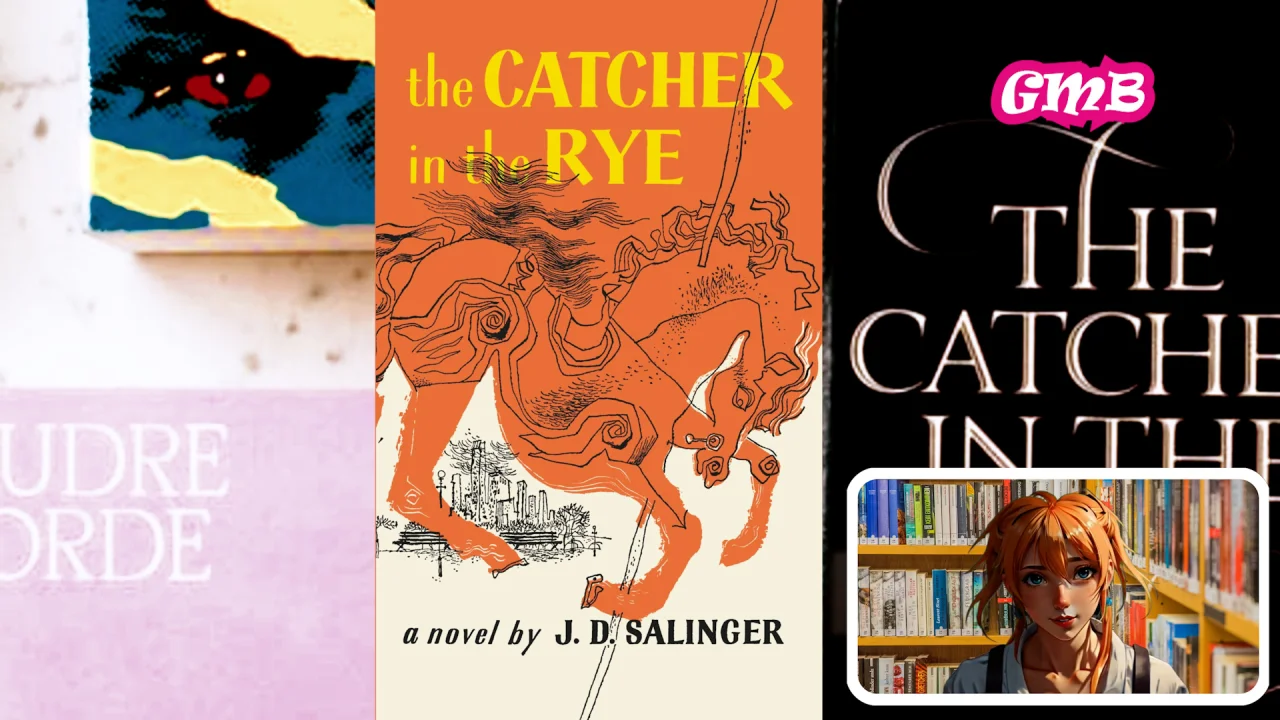
Imagine being 16, failing school for the third time, broke, lonely, and angry at the world—and convinced that everyone, including Jesus’ disciples, is a bunch of phonies. Welcome to the world of Holden Caulfield.
When I first picked up The Catcher in the Rye by J.D. Salinger, I didn’t expect to fall into a wintery, wandering New York City with a teenage boy who can sniff out fakeness from a mile away. But here I was, dragged along by his raw, rambling thoughts, his rants, and his relentless eye-rolls at the adult world.
What Kind of Novel Is This?
This is a coming-of-age novel that’s both humorous and reflective, written in the voice of a teenager who’s seen too much of the world and still doesn’t fully understand it.
-
Tone: darkly humorous, candid, and intimate
-
Pace: moderate, meandering through Holden’s mind and city wanderings
-
Themes: authenticity versus phoniness, adolescence, disillusionment, loss of innocence
This book is for readers who:
-
Enjoy character-driven narratives
-
Like exploring raw, confessional storytelling
It’s NOT for readers who:
-
Prefer fast-paced action or polished, traditional prose
-
Need clear heroes, villains, or neat resolutions
👉 You can find the edition I read here: The Catcher in the Rye – Amazon
Why This Story Matters
Holden Caulfield isn’t just angsty—he’s hyper-aware. He’s angry, confused, lonely, and deeply observant. He sees phoniness everywhere: in schools, movies, religion, and the way people act. And he doesn’t just see it—he judges it mercilessly.
Through Holden, Salinger asks uncomfortable questions about growing up. About authenticity. About whether we lose ourselves to societal expectations. And even decades later, this feels incredibly relevant. Think Instagram, influencer culture, and the constant performance of “self” in daily life. Holden would hate it all, and we’d probably understand him.
What stayed with me after finishing the book was this: the world often feels fake, and that’s exhausting. But Holden’s rebellion is a reminder to notice it, question it, and maybe even resist it.
A Glimpse of the Story
Holden starts off freshly expelled from Pencey Prep, a fancy boarding school where he’s flunked every subject except English. Rather than heading home to face his parents’ wrath, he wanders New York City alone in the winter, searching for something real in a world full of fakes.
-
He checks into cheap hotels.
-
He meets nuns and strangers.
-
He goes on a disastrous date and tries to hire a prostitute, but only ends up talking to her.
-
He buys a record for his little sister.
-
And he smokes, walks, thinks, and rants—constantly.
Through it all, Holden critiques a society obsessed with money, appearances, and performance. He dreams of escaping it all, fantasizing about living somewhere far from phoniness.
Holden: Rebel Philosopher and Lonely Teen
Holden isn’t just a critic—he’s lonely and confused. He reaches out to people he trusts, like his former teacher Mr. Antolini, who warns him about searching for fulfillment outside your environment. But even trusted adults disappoint him. His teachers are rigid, the world is fake, and yet he’s constantly looking for genuine human connection.
He lives in contradictions. He judges harshly, generalizes constantly, and is often wrong—but he notices what many adults miss: that most people aren’t living authentically. We pretend, perform, and label those who don’t as weird or troublemakers. Holden simply doesn’t want to join that club.
Themes and Takeaways
The brilliance of Salinger’s novel is its voice. Written as though Holden is speaking directly to you, it’s raw, unfiltered, and confessional. Through his rambling and digressions, you get to know his foibles, fears, contradictions, and obsessions.
Key themes include:
-
Authenticity vs. Phoniness: Holden’s obsession and the book’s central tension
-
Adolescence and disillusionment: The awkward, painful, and lonely process of growing up
-
Loss of innocence: The metaphorical “catcher in the rye” dream, where Holden wants to save children from falling into adulthood’s phoniness
Holden’s story resonates because we’ve all felt out of place, disillusioned, or fed up with the world’s performance. Some survive it, some conform, and a few—like Salinger—turn it into a masterpiece.
About the Author
J.D. Salinger was famously reclusive after publishing The Catcher in the Rye. He released a few more works, but nothing matched the cultural impact of Holden Caulfield. Today, the novel isn’t just a classic—it’s a mirror. When you read it, you either see Holden… or you see yourself.
My Honest Verdict
The Catcher in the Rye isn’t for everyone. It’s not polished or conventionally “beautiful.” It’s raw, messy, and at times frustrating. But it’s real. And that honesty, combined with Holden’s sharp, reflective, and occasionally hilarious mind, makes it unforgettable.
If you’ve ever hated school, called someone a phony, or fantasized about escaping the world, this book is for you. It will make you laugh, cringe, and think—and it will stick with you long after the last page.
👉 You can get your copy here: The Catcher in the Rye – Amazon
Similar Books You Might Like
-
Franny and Zooey – Another Salinger classic exploring young adulthood and authenticity
-
Perks of Being a Wallflower – Modern coming-of-age story with raw, confessional narration