 English
 French
 German
 Russian
 中文
中文

Nietzsche vs. Wagner: When Philosophy Breaks Up with Music
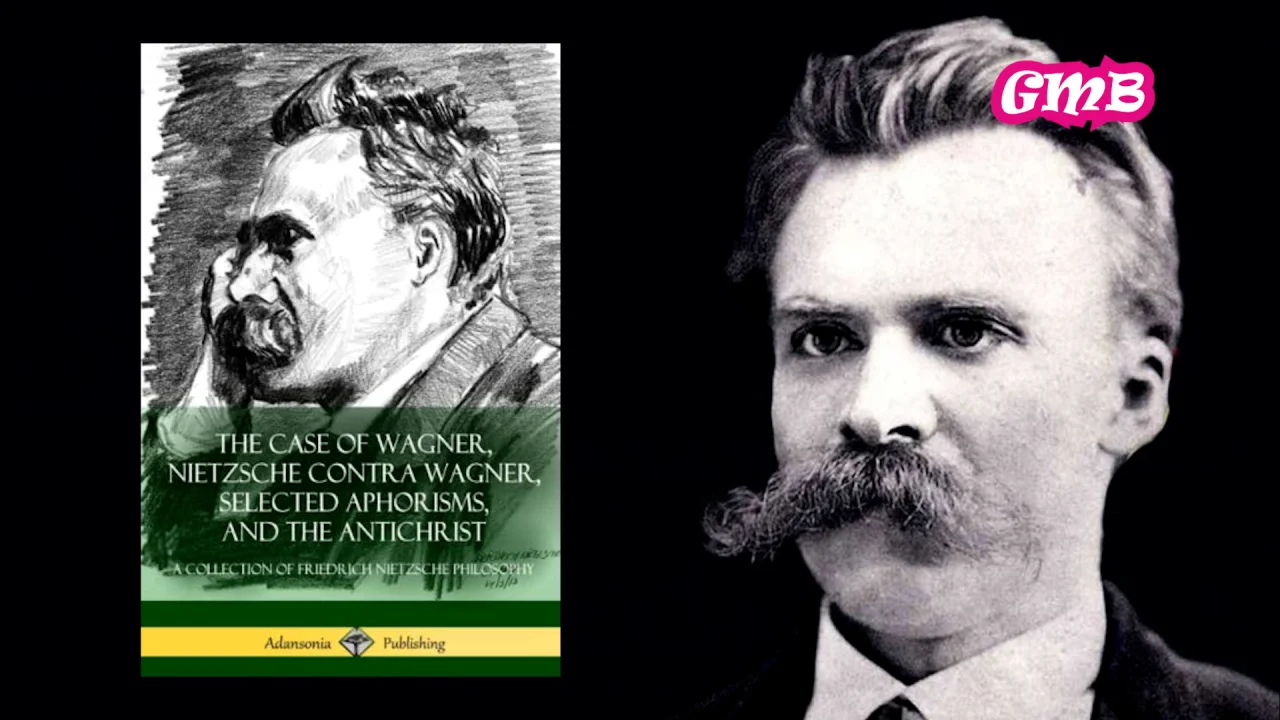
You wake up one morning, decide to be “classy,” and press play on some Wagner. Ten minutes later, you’re sweating, pacing, and wondering why it feels like an angry orchestra is chasing you down a German alleyway. Well, Friedrich Nietzsche experienced something similar—but he had to live it. Only instead of skipping the track, he went full-on philosophical breakup mode.
In The Case of Wagner, Nietzsche Contra Wagner, and Selected Aphorisms, Nietzsche doesn’t just critique music—he declares war on one of his former idols. And trust me, it’s spicy.
👉 Grab your copy on Amazon here
A Musical Friendship Gone Sour
It’s the late 19th century. Nietzsche, Germany’s brilliant philosopher, is having a “musical crisis.” He used to adore Richard Wagner—he was basically Wagner’s hype man, championing every opera. But then came a revelation Nietzsche calls “the greatest event of my life”: recovering from Wagner.
“The greatest event of my life took the form of a recovery. Wagner belongs only to my diseases.”
Suddenly, the composer went from musical genius to symbol of cultural illness. Nietzsche saw Wagner’s music not as art, but as theatrical excess. Over-the-top, dramatic, and more about acting than music, Wagner represented a broader cultural decline—decadence disguised as genius.
“It is glaringly obvious: great success, mob success is no longer the achievement of the genuine… The actor, alone, can still kindle great enthusiasm.”
In other words, Wagner was the Kanye West of his time: famous, dramatic, loved by the masses, but Nietzsche questioned the authenticity beneath the spectacle.
Nietzsche’s Philosophical Roast
Nietzsche’s critique goes deeper than a personal vendetta. He recognized his own connection to the decadence he despised, claiming:
“I am just as much a child of my age as Wagner—that is to say, I am decadent. The only difference is that I recognise the fact, that I struggled against it. The philosopher in me struggled against it.”
It’s not just a breakup—it’s a cultural warning. Nietzsche feared that Wagner’s music symbolized a society embracing mediocrity, where popular opinion dictated art, and theatricality replaced genuine creativity.
“Whom did this movement press to the front? First: the layman’s arrogance… Secondly: indifference towards severe, noble, and conscientious schooling in the service of art… Thirdly, the craziness of a belief in the preeminence of the theatre.”
To Nietzsche, Wagner turned music into a circus. He even compared the popular orchestral style to a harsh desert wind, writing that Bizet—composer of Carmen—was the only orchestration he could endure without breaking a sweat.
“May I be allowed to say that Bizet’s orchestration is the only one that I can endure?… I call it the Sirocco. A disagreeable sweat breaks out all over me.”
Ouch. Savage.
Rules for Saving Art (and Life)
Nietzsche didn’t just complain—he offered his own blueprint for preserving genuine art:
-
The stage should not become the master of the arts.
-
The actor should not corrupt the genuine artist.
-
Music should never become an art of lying.
By these standards, Wagner failed spectacularly. Music, Nietzsche argued, was being seduced into lies—beautiful, manipulative lies. And before he left the “Camp Wagner” forever, he penned his famous essay, How I Got Rid of Wagner, essentially declaring music doomed if society continued down this decadent path.
“The musician is now becoming an actor, his art is developing ever more and more into a talent for telling lies.”
Sound familiar? Swap “actor” for “influencer” or “viral star,” and Nietzsche’s warnings could be written for today’s music charts.
Why This Book Matters
Reading Nietzsche’s fight with Wagner is more than a lesson in music criticism—it’s a reflection on culture itself. Nietzsche saw the dangers of confusing popularity for quality, spectacle for substance, and decadence for excellence.
“Nowadays all things that can be done well and even with a master hand are small.”
In an era of viral fame and instant gratification, Nietzsche’s words feel eerily prophetic. He admired Wagner’s theatrical genius but believed it betrayed the essence of music, turning it into a tool for drama rather than an art form in its purest sense.
About the Author: Friedrich Nietzsche
Born in 1844 in Röcken, Germany, Nietzsche was a philosopher, cultural critic, and philologist. His radical ideas reshaped Western thought. Works like Beyond Good and Evil, Thus Spoke Zarathustra, and The Birth of Tragedy challenged morality, religion, and culture itself. He introduced the concepts of the Übermensch and the will to power, leaving a lasting influence on philosophy and literature.
Nietzsche’s life was as dramatic as his writing. Illness plagued him, and his final years were spent in mental decline, yet his works remain provocative, influential, and, at times, controversially misinterpreted.
Who Should Read This Book
You’ll enjoy The Case of Wagner if you:
-
Love philosophy and cultural critique
-
Appreciate intellectual drama and wit
-
Want a historical lens on art, music, and society
You might struggle with it if you:
-
Prefer light, easy reading
-
Are looking for a straightforward music history
-
Need clear-cut heroes and villains
Final Verdict
This book isn’t just about Wagner or Nietzsche’s personal quarrels—it’s about the eternal tension between authenticity and popularity, substance and spectacle. It’s sharp, witty, and occasionally brutal, but it’s also enlightening. If you want to understand how one of history’s greatest thinkers analyzed art, culture, and society, this book is essential reading.
Next time you scroll your playlist, remember Nietzsche’s warning: fame and drama can seduce the masses, but excellence is rare. And sometimes, it takes a philosopher to remind us what real art should feel like.