 English
 French
 German
 Russian
 中文
中文

A Boy Named Barry, a Thousand Questions, and the Long Road Home
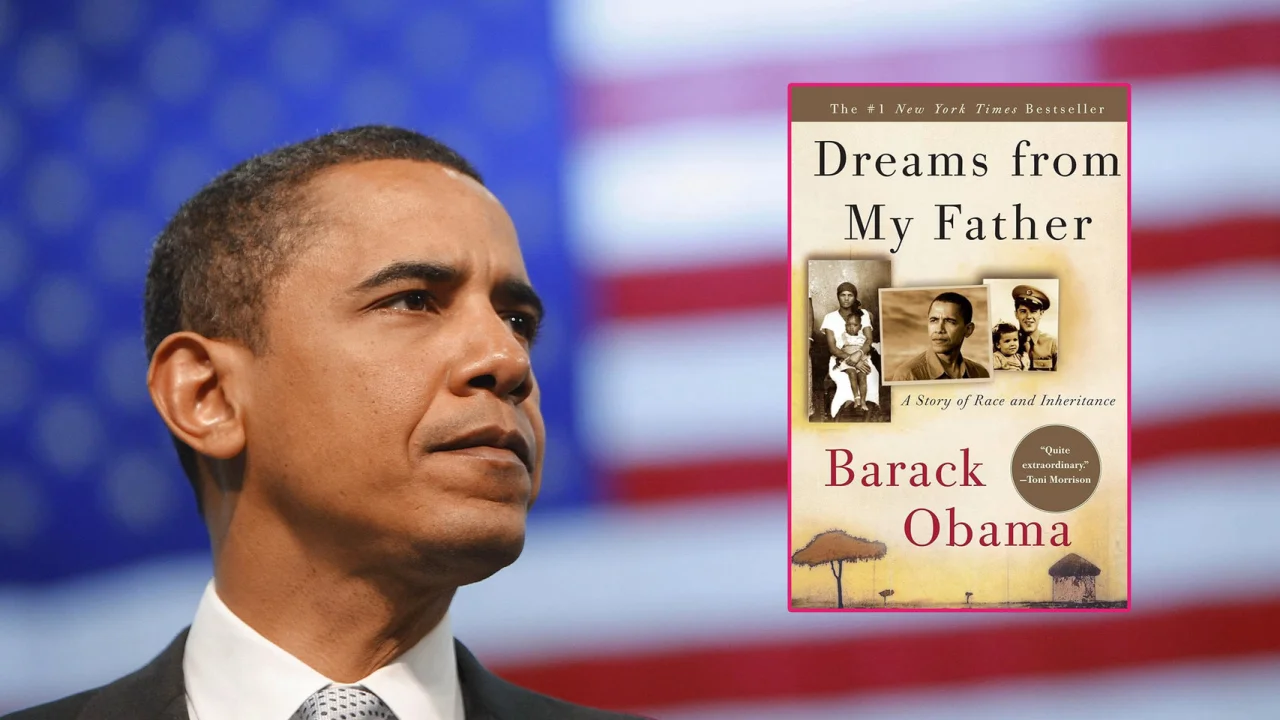
There’s a moment early in Dreams from My Father that made me stop and smile—not because it was funny, but because it felt painfully human. A young boy in Hawaii, surrounded by palm trees and ocean air, still feels out of place. Paradise doesn’t save him from questions about who he is, where he belongs, or why his father exists mostly as a shadow.
Before Barack Obama became a symbol, a politician, or a global figure, he was just Barry—eating Spam musubi, growing up with a white Midwestern mother, and trying to make sense of a Kenyan father he barely knew. This book isn’t about power. It’s about absence. And the long echo that absence leaves behind.
Some memoirs try to impress you. This one tries to understand itself.
What Kind of Book Is Dreams from My Father?
This is a literary memoir about identity, inheritance, and self-definition.
Tone: reflective, honest, quietly intense
Pace: moderate, inward-looking
Themes: race, fatherhood, belonging, exile, memory, moral responsibility
This book is for readers who:
-
Like memoirs that wrestle with big questions rather than offering neat answers
-
Are interested in identity, race, and the emotional cost of growing up between worlds
This book is not for readers who:
-
Want fast-paced storytelling or political drama
-
Prefer memoirs that stick to achievements rather than inner conflict
👉 The edition I read is available here:
Dreams from My Father by Barack Obama on Amazon
A Childhood Split Across Continents
Obama begins with his parents’ unlikely love story: a Kenyan student and a Kansan woman meeting at the University of Hawaii. It sounds romantic—until it quietly falls apart. By the time Barack is two, his father is gone, returning to Kenya, becoming more legend than presence.
When his mother remarries, Barry’s life shifts again—this time to Indonesia. Jakarta is loud, chaotic, and formative. He learns how to survive, how to adapt, and how quickly the world can feel unfamiliar. But his mother, fiercely committed to his education, eventually sends him back to Hawaii.
That decision changes everything.
At Punahou School, a prestigious private institution, Barack becomes one of only a handful of Black students. The classrooms are elite. The expectations are heavy. And the loneliness is constant. He’s learning algebra and literature—but also learning how to exist in spaces where he is always being watched, measured, and misunderstood.
The Father Who Loomed Larger Than Life
Barack Obama Sr. is everywhere in this book—and almost nowhere in Barack’s life.
He’s described as brilliant, ambitious, charismatic. A man of ideas and intellect. But Barack only meets him once, at age ten, during a brief visit to Hawaii. Thirty days to make sense of a lifetime of absence.
The meeting is awkward, intense, and emotionally confusing. Then his father leaves again. Years later, he dies in a car accident.
What remains is not closure—but questions.
And Dreams from My Father is, in many ways, an attempt to answer them.
Why This Story Still Matters
This book isn’t really asking, “How did Barack Obama become President?”
It’s asking, “What do we inherit from people we barely know?”
Obama writes candidly about feeling like an outsider—racially, culturally, emotionally. He doesn’t romanticize his confusion or soften his anger. He talks openly about resentment, self-doubt, and the slow work of understanding himself.
What stayed with me long after finishing the book is how unresolved it feels—in a good way. The memoir refuses to give us clean moral victories. Instead, it suggests that identity is something we negotiate, not discover all at once.
In a world obsessed with certainty, this book dares to sit with ambiguity.
A Glimpse of the Journey (No Spoilers)
At its core, Dreams from My Father follows a man tracing his life backward:
-
From Chicago’s community organizing work
-
To elite academic spaces like Columbia and Harvard
-
To Kenya, where the past finally becomes tangible
It’s not a travelogue or a political blueprint. It’s a reckoning—with family, history, and inherited pain.
The Writing: Quietly Powerful
One of the book’s greatest strengths is its prose. Obama writes with restraint, clarity, and emotional intelligence. There’s no grandstanding. No attempt to impress.
You feel like you’re walking beside him—through Indonesian streets, Hawaiian classrooms, Chicago neighborhoods—listening as he thinks out loud.
This is the work of someone who loved language long before he loved politics.
👉 You can read the same edition I did here:
Dreams from My Father – Paperback Edition on Amazon
My Honest Verdict
This isn’t a perfect memoir.
At times, it can feel introspective to the point of heaviness. Some readers may wish for more narrative momentum or clearer resolutions.
But it’s an honest book. And that’s rarer.
What worked:
-
Emotional honesty
-
Beautiful, thoughtful prose
-
A nuanced exploration of race and identity
What didn’t:
-
Slow pacing in parts
-
Minimal focus on “external drama”
Still, I recommend it—especially if you read to understand people, not just stories.
Final Thoughts
Dreams from My Father is the kind of book that doesn’t shout its importance. It earns it quietly.
It begins with a boy trying to understand his name, his skin, and his absence-filled inheritance—and ends with a man still asking questions. That humility is its power.
If you’ve ever wondered how much of who you are comes from where you came from—or who you never really knew—this book will sit with you long after the last page.
👉 If this sounds like your kind of read, here’s the link:
Dreams from My Father by Barack Obama on Amazon
Optional: Best Format to Read This Book
Paperback — the reflective pace and lyrical writing feel better absorbed slowly, with pauses.