 English
 French
 German
 Russian
 中文
中文

The Book Thief by Markus Zusak: A Story That Haunts and Heals
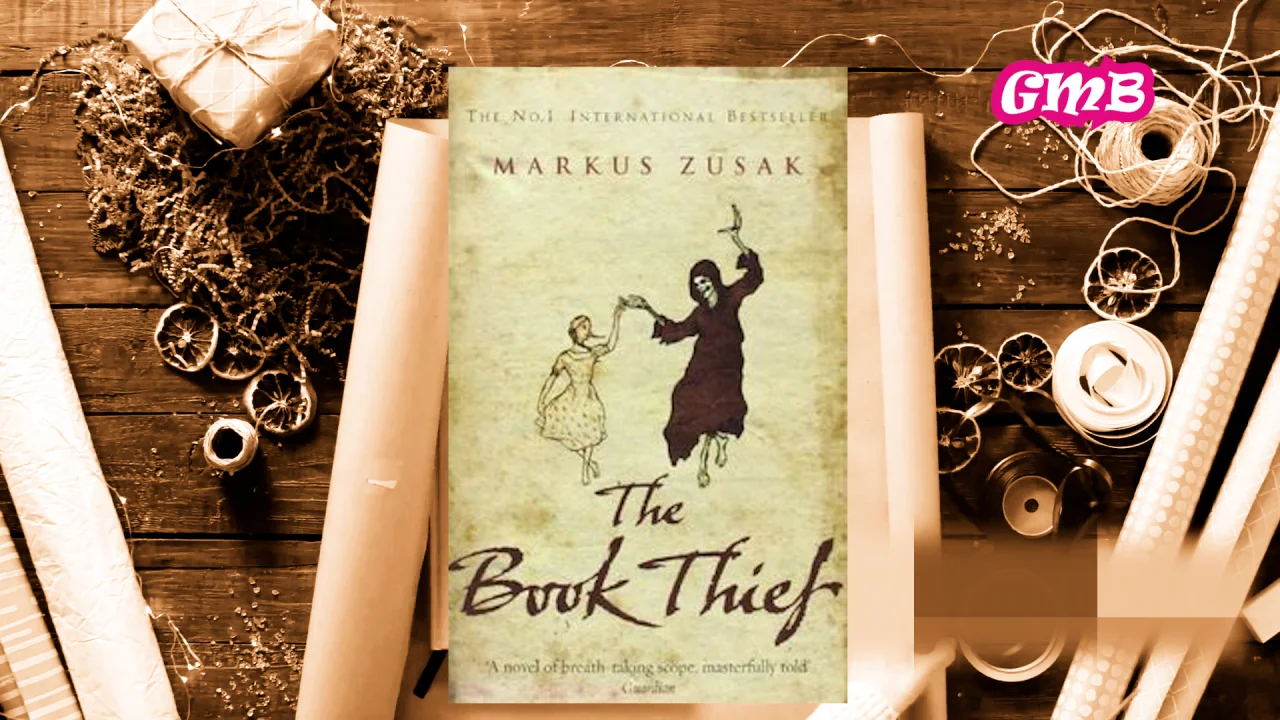
Death Has a Personality?
It sounds strange, I know. But in Markus Zusak’s The Book Thief, Death isn’t the skeletal villain from horror movies—it’s overworked, tired, and surprisingly empathetic. In fact, Death takes center stage as the narrator, guiding us through a story that is as heartbreaking as it is beautiful.
From the very first pages, I found myself captivated by this unusual narrator, who doesn’t just report the horrors of Nazi Germany but reflects on the astonishing kindness and cruelty humans are capable of. And it all begins with a girl named Liesel Meminger.
👉 Grab your copy of The Book Thief here on Amazon.
A Girl, a Book, and the Beginning of Resistance
Liesel’s story starts on a train. She’s traveling to her new foster family, clutching her little brother—who tragically dies along the way. It’s a loss that shakes her to the core. But from this grief springs an act of quiet rebellion: Liesel steals her first book, The Gravedigger’s Handbook. She can’t read it yet, but it becomes her treasure, her introduction to a world of words that will eventually save her.
She arrives at Himmel Street—“heaven” in German, a cruel irony given the darkness waiting there. Her foster parents, Hans and Rosa Hubermann, are as contrasting as they are memorable. Hans is gentle, patient, and endlessly kind, teaching Liesel to read by the flickering light of their basement. Rosa, loud and sharp-tongued, shows her love in ways that are unmistakable, even if harsh. Together, they form a household that is messy, loving, and real.
Mischief, Friendship, and First Love
Next door lives Rudy Steiner, the boy with lemon-colored hair and a passion for running—and for Liesel. He becomes her partner in crime, stealing apples and potatoes in times of scarcity, sharing secrets, laughter, and the bittersweet moments of childhood. Their friendship is tender, playful, and heartbreaking, especially as war looms closer and innocence begins to crumble.
War Shadows and the Arrival of Max
As the story progresses, the shadow of Nazi Germany grows heavier. Fear, rationing, and whispers of persecution permeate everyday life. Then comes Max Vandenburg, a Jewish man seeking refuge in the Hubermanns’ basement. Hans doesn’t hesitate—loyalty and gratitude demand it, and the gesture ties the past to the present through a simple accordion, a gift from Max’s mother.
Max and Liesel form a bond built on shared pain and the healing power of words. He scratches stories and illustrations into the pages of old books, creating beauty amidst terror. Together, they turn literature into sanctuary, finding courage and hope when the world outside seems determined to destroy both.
Death Watches, and So Do We
Throughout the novel, Death offers commentary that is as poetic as it is unsettling. “I am haunted by humans,” Death admits, and after reading this book, you might find yourself haunted, too. Through acts of quiet courage—like Hans giving bread to a prisoner being marched to Dachau—Zusak reminds us that even small gestures of kindness carry enormous weight.
But tragedy strikes. Himmel Street is bombed, and almost everyone Liesel loves is lost. Rudy, Hans, Rosa—all gone. The heartbreak is profound, yet Liesel survives, sustained by the very thing that first offered her hope: words. Books have become her sanctuary, her rebellion, her lifeline.
Why The Book Thief Matters
This isn’t just a story about war or death—it’s a meditation on the human spirit and the power of words. Words can harm, as seen in Nazi propaganda, but they can also heal, uplift, and save lives.
At its core, The Book Thief is about resilience, love, and the courage to defy cruelty in even the smallest ways. It shows us that in the face of unimaginable darkness, humanity can still shine through: in stolen books, shared stories, and acts of bravery that seem almost too small to matter—until you realize they matter most.
About Markus Zusak
Published in 2005, The Book Thief became a modern classic almost immediately. Although marketed as a young adult novel, its themes resonate deeply with adults and teenagers alike. Zusak’s style is distinctive: poetic, fragmented, and infused with the observations of a narrator who is at once omniscient and empathetic. Few novels tackle history with this combination of lyricism and raw emotion.
👉 Check out other editions of The Book Thief here on Amazon.
Who Should Read This Book
You’ll love The Book Thief if you enjoy:
-
Stories that explore the human condition during historical turmoil.
-
Poetic, reflective writing that lingers in your mind long after the last page.
-
Characters who grow, falter, and demonstrate resilience in the face of adversity.
You might struggle with it if you prefer:
-
Fast-paced, action-driven plots.
-
Clear-cut heroes and villains without moral ambiguity.
-
A story that wraps up neatly and avoids heartbreak.
Final Verdict
The Book Thief is haunting, beautiful, and deeply moving. Markus Zusak’s choice of Death as narrator allows the story to explore war, loss, and kindness from a perspective that is simultaneously intimate and cosmic.
This book doesn’t shy away from pain—it immerses you in it—but it also reminds you that even in the darkest times, love, literature, and small acts of courage can illuminate the world.
If you haven’t read it yet, give it a chance. Let Death guide you, and you might just find yourself, like Liesel, discovering the power of words to survive, resist, and heal.
👉 Ready to read? Get your copy of The Book Thief here on Amazon