 English
 French
 German
 Russian
 中文
中文

The Sand Daughter: A Story Written in Dust, Blood, and Betrayal
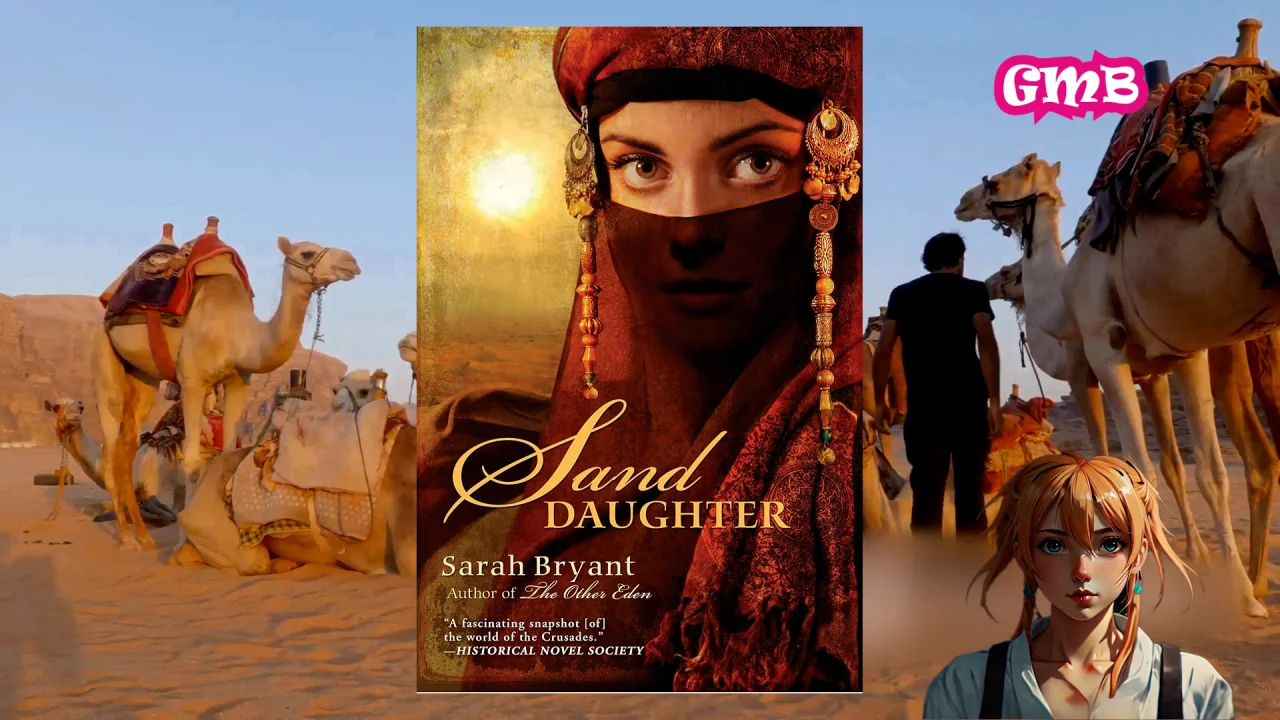
There’s a moment early in The Sand Daughter where I had to stop reading—not because the story dragged, but because it suddenly felt uncomfortably close. A young woman is smiling politely while her future is being traded away in the name of family honor. Everyone around her calls it duty. Tradition. Necessity.
She knows it for what it is: a death sentence dressed up as respectability.
That feeling—of realizing the ground beneath you has been rigged long before you learned how to stand—never quite leaves this book.
Set in 1186 AD, on the eve of Saladin’s rise and during the violent fragmentation of the Islamic world, The Sand Daughter doesn’t begin with kings or battles. It begins with a girl who is supposed to stay quiet. And then refuses to.
What Kind of Novel Is This?
This is a historical fiction novel about identity, power, and survival—not just on the battlefield, but within families and belief systems.
-
Tone: Reflective, tense, quietly devastating
-
Pace: Moderate, with bursts of danger and long emotional undercurrents
-
Themes:
-
Betrayal within bloodlines
-
Faith versus power
-
Women as political currency
-
Belonging, exile, and inherited destiny
-
This book is for readers who:
-
Love epic historical settings grounded in real politics
-
Want strong female leads without modern shortcuts
-
Enjoy stories where faith, culture, and power collide
This book is not for readers who:
-
Need fast-paced action on every page
-
Prefer clear heroes and villains
-
Want romance without moral or political weight
👉 The edition I read is available here:
The Sand Daughter by Sarah Bryant
Why This Story Matters (The Emotional Core)
At its heart, The Sand Daughter is about what happens when powerful people turn belief into leverage.
Khalidah’s father doesn’t see himself as cruel. Her uncle doesn’t think of himself as evil. Even the conspirators believe they are acting in the name of something greater—faith, tribe, survival. And that’s what makes the story unsettling. No one twirls a moustache here. They rationalize. They justify. They pray.
One line in the novel stayed with me long after I closed the book:
“Convictions based in one’s personal faith can form the foundation of foolish decisions that not only change one’s own life journey but… bring an end to lives, families, societies and cultures.”
This isn’t a story about villains destroying the world. It’s about ordinary people helping it fracture—one “necessary” decision at a time.
And it feels painfully relevant.
A Glimpse of the Story (No Spoilers)
Khalidah is a Bedouin woman with no real power and no real choices—until she discovers the truth: her arranged marriage is not about honor, but bait. A carefully placed piece in a tribal conspiracy involving her own family and the Knights Templar.
Faced with death or disappearance, she runs.
With a stranger named Sulayman—dangerous, guarded, and very much not part of her plan.
Their escape becomes a journey across hostile lands, shifting alliances, and buried histories. Along the way, Khalidah uncovers the truth about her mother—and about herself. She is not only Bedouin. She is part Jinn—not myth, but a fierce Afghan warrior people led by her grandfather, Tor Gul Khan.
She doesn’t just survive.
She transforms.
From Pawn to Player
What makes Khalidah compelling isn’t that she becomes powerful overnight. It’s that power comes at a cost.
Training as a warrior forces her to question everything—faith, loyalty, femininity, obedience. She finds friendship with other women for the first time. Real friendship. Not rivalry. Not control.
She also finds love—but the novel never lets romance eclipse consequence. Desire exists inside danger. Affection grows alongside fear.
Parallel to her story is Bilal, a young Bedouin whose relationship with Saladin’s youngest son, Salim, is rendered with tenderness and restraint. Their connection adds a quiet humanity to a world obsessed with conquest.
This is where the book shines: in its small, human moments amid political catastrophe.
Who This Book Is Perfect For
You’ll enjoy The Sand Daughter if:
-
You like novels that interrogate faith instead of glorifying it
-
You enjoy slow-burn character growth
-
You read historical fiction to feel history, not just learn it
You might struggle with this book if:
-
You want a simple adventure story
-
You dislike morally gray characters
-
You prefer tidy resolutions
👉 If this sounds like your kind of book, you can find it here:
The Sand Daughter by Sarah Bryant
My Honest Verdict
This isn’t a perfect novel—but it’s an honest one.
What worked:
-
Deep historical immersion without info-dumping
-
Complex, believable characters
-
A female lead who earns her transformation
What didn’t:
-
The political threads can feel heavy at times
-
Some readers may want faster plot movement
Why I still recommend it:
Because it respects the reader. It doesn’t simplify history. It doesn’t sanitize belief. And it doesn’t pretend survival is clean or noble.
Final Thoughts & Recommendation
The Sand Daughter feels less like a story you consume and more like one you excavate.
You enter looking for adventure and forbidden love. You leave thinking about how easily faith becomes a weapon, how often families betray their own, and how identity is shaped as much by what we inherit as by what we resist.
For me, this book is emotional archaeology. It digs through dust and doctrine to uncover something painfully human beneath.
If you love historical fiction that trusts you to sit with discomfort—and rewards you with depth—The Sand Daughter deserves a place on your shelf.
👉 You can read the same edition I did here:
The Sand Daughter by Sarah Bryant
About the Author
Sarah Bryant is an American writer with a background in medieval and Middle Eastern history. Her fascination with the Crusades is academic, but her storytelling is deeply human. She writes with restraint, precision, and empathy—never letting research overwhelm emotion. She has also published under the name Sarah Woodbury.