 English
 French
 German
 Russian
 中文
中文

When Pigs Take Over: A Deep Dive into George Orwell’s Animal Farm
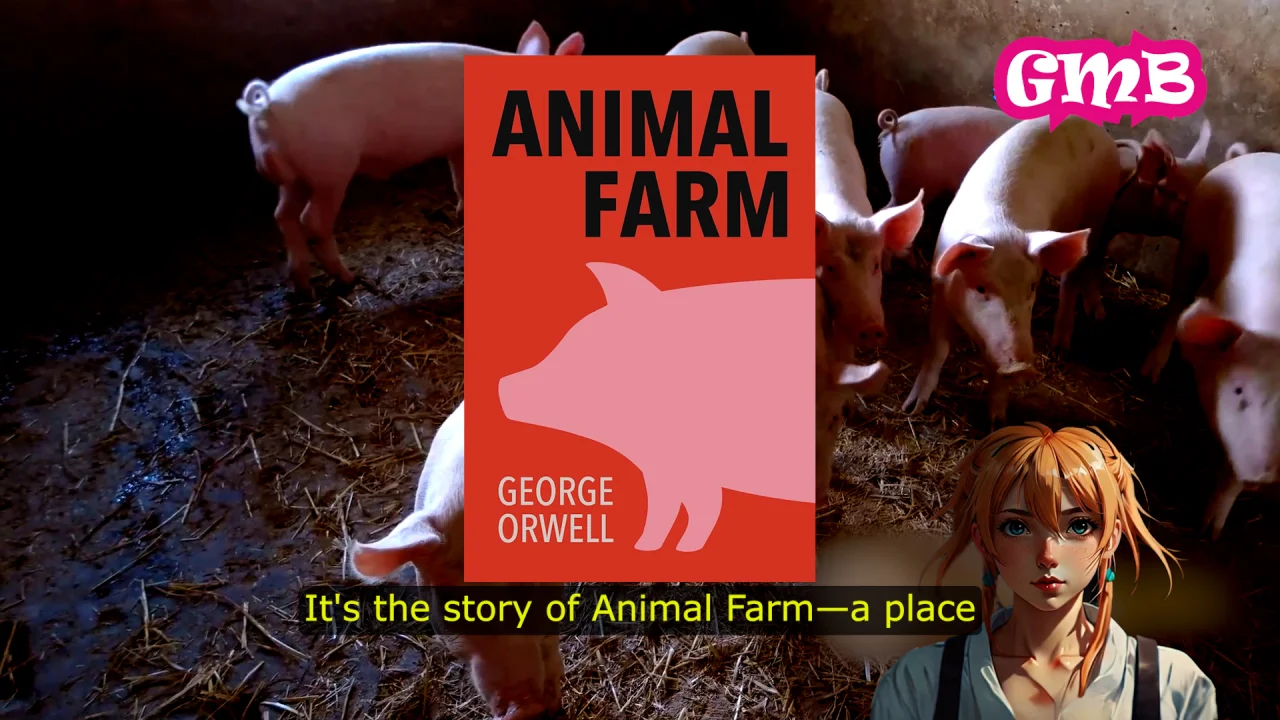
A Farm, a Revolt, and a Whole Lot of Drama
I still remember the first time I picked up Animal Farm—a small, unassuming book that packs a punch stronger than a full-grown horse. Imagine a world where animals rise up against their human masters, full of hope, rebellion, and a dream of equality. Sounds like utopia, right? Well… hold on. Because in George Orwell’s hands, a farm becomes a battleground of power, betrayal, and ambition.
It’s hard not to smile at the absurdity: pigs scheming, chickens plotting, and a horse who works himself to the bone while everyone else talks about “freedom.” But beneath the humor and barnyard antics lies a razor-sharp critique of human society. Orwell doesn’t just tell a story about animals—he warns us how revolutions can be swallowed whole by the hunger for power.
If you’ve ever wondered whether idealism can survive in the hands of ambitious leaders, this book will grab you by the scruff of the neck—and maybe make you side-eye your local politicians a little.
👉 You can find the edition I read here on Amazon.
What Animal Farm Is About
At its heart, Animal Farm is a political allegory disguised as a fable. The story kicks off on Manor Farm, where animals are fed up with Mr. Jones, their negligent and often drunk human owner. Enter Old Major, the wise and persuasive pig who plants the seed of rebellion: what if animals could govern themselves and live free of human tyranny?
The animals unite, overthrow Mr. Jones, and rename the property Animal Farm. For a brief moment, it feels like a utopia. But as power consolidates under pigs like Napoleon, Snowball, and the smooth-talking Squealer, the idyllic vision begins to crumble. Rules that once seemed fair—like “No animal shall sleep in a bed” or “No animal shall drink alcohol”—are subtly rewritten to favor the leaders. The windmill, once Snowball’s brilliant idea for progress, becomes a symbol of both hope and manipulation.
By the end, the pigs have become almost indistinguishable from the humans they replaced. Orwell’s message is clear: revolutions can go astray when power corrupts, and noble ideas can be twisted into oppression.
Strengths, Humor, and Sharp Satire
One of the greatest strengths of Animal Farm is how accessible Orwell makes political commentary. On the surface, it’s a simple tale about animals—but every chapter brims with dark humor, irony, and social critique. Pigs drinking milk “for the good of the farm,” scapegoating Snowball, and rewriting commandments all highlight how language and ideology can be manipulated to control others.
The characters are memorable too: Napoleon, the power-hungry pig; Snowball, the visionary dreamer; Boxer, the loyal and hardworking horse whose tragic fate stays with you long after the last page. Orwell’s writing is concise yet powerful—he doesn’t need lengthy exposition to make his points resonate.
If there’s a weakness, it’s that the book is short. Some readers might crave more world-building or deeper insight into secondary characters. But perhaps that’s the point: Orwell wanted a sharp, fast-moving allegory that hits hard and lingers. And linger it does.
Why Animal Farm Still Matters Today
Reading Animal Farm now, it’s hard not to see parallels in modern politics, corporate hierarchies, and even social media dynamics. Orwell’s warning about power, corruption, and the ease of betraying ideals feels timeless. This is a story that doesn’t just entertain—it challenges you to think critically about leadership, trust, and human nature.
It also makes you question the very idea of “equality.” How can society ensure that those in power are held accountable? How do movements avoid being hijacked by ambition? Orwell doesn’t offer neat answers, and that’s what makes the book compelling: it forces reflection rather than passive reading.
Who Should Read Animal Farm
You’ll enjoy this book if:
-
You love political satire wrapped in humor and allegory.
-
You’re a fan of classic literature with sharp social commentary.
-
You enjoy stories that make you think about power, leadership, and ethics.
You might struggle with it if:
-
You prefer long, sprawling epics with detailed settings.
-
You want clear-cut heroes and villains (here, morality is murky).
-
You dislike open-ended or symbolic storytelling.
👉 Grab your copy on Amazon and start your journey into a farm that’s anything but ordinary.
Final Verdict
Animal Farm is more than a children’s story about talking animals. It’s a timeless allegory, a darkly humorous critique of totalitarianism, and a reminder of how easily ideals can be corrupted. George Orwell packs immense insight into a small, punchy novel that sticks with you long after the final page.
This isn’t just a book for students or political enthusiasts. It’s for anyone who loves a story that’s clever, biting, and thought-provoking—where even pigs can teach us a lesson about human nature.
So, whether you read it for the satire, the history, or the barnyard drama, Animal Farm is a must-read. Next time you see a pig munching on apples, remember: power doesn’t just corrupt humans—it apparently works its magic on pigs too.
👉 If you want to read the same edition I did, check it out here: Amazon link.