 English
 French
 German
 Russian
 中文
中文

The Prague Cemetery: Lies, Conspiracies, and a Feast for the Mind
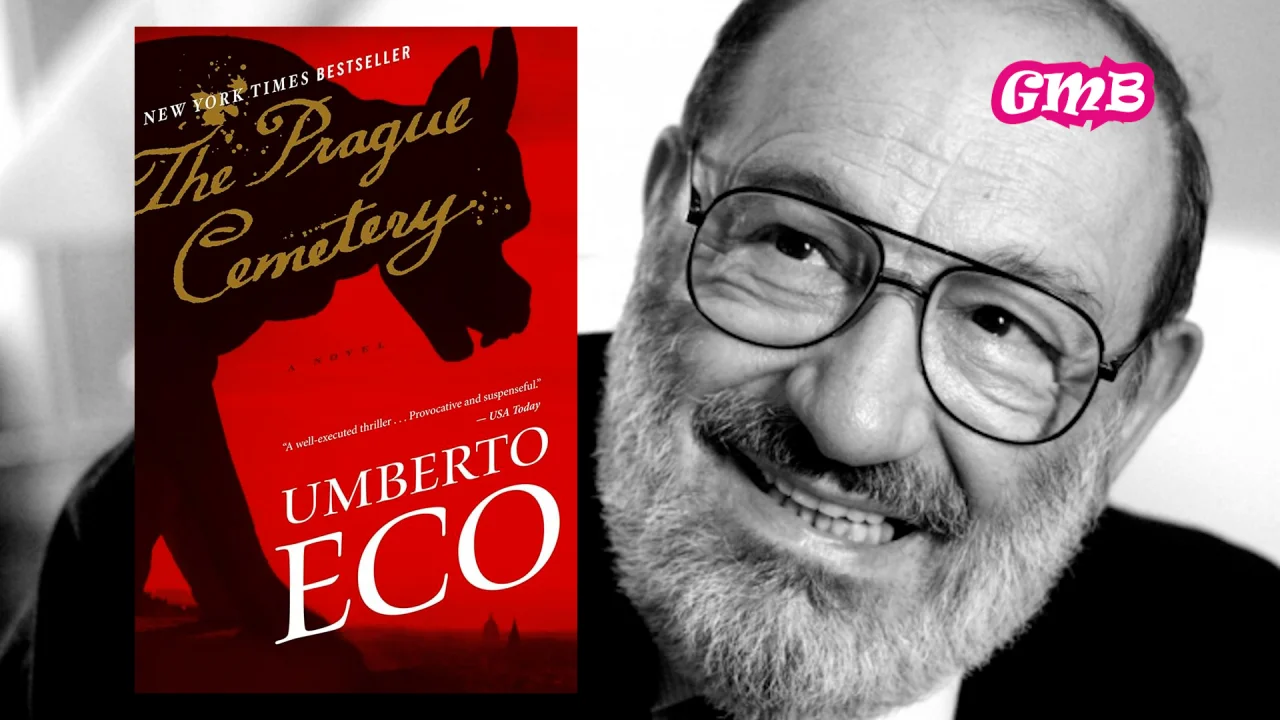
Imagine a man who hates everyone. Catholics, Jews, Germans, French, Masons—you name it, he despises them. And yet, this misanthrope becomes one of the most infamous forgers in history. It sounds like the opening of a dark, absurd thriller—but in The Prague Cemetery, Umberto Eco turns history itself into a labyrinth of deceit, paranoia, and culinary indulgence.
From secret agents plotting in dimly lit cafes to priests whispering conspiracies, Eco’s novel explores a world where forged documents can ignite real wars. And just when you think the story is too grim, there’s food. Lots of food. Because even the most diabolical minds need a good meal between betrayals. If you’ve ever wondered how a single lie can ripple across nations, buckle up: this book makes The Da Vinci Code look like a bedtime story.
👉 Grab your edition of The Prague Cemetery here on Amazon.
A Glimpse Into the Story
Set in nineteenth-century Europe, a continent roiling with revolutions, assassinations, and secret societies, the story follows Simone Simonini, an Italian forger and professional conman living in Paris. Simonini hates everyone equally, yet his skills in forging letters, wills, and official documents make him indispensable to governments, spies, and fanatics alike.
Simonini’s crowning creation is the infamous Protocols of the Elders of Zion, a document fabricated to incite antisemitic hysteria across Europe. To craft it, he navigates Parisian high society, rubbing elbows with Russian agents, Vatican insiders, and occultists. Meanwhile, he remains obsessed with culinary delights, reminding readers that even history’s villains have appetites.
The narrative unfolds like a diary, but another voice—Abbé Dalla Piccola, a mysterious priest—soon appears. Are these two different narrators, or a fractured psyche? Eco blurs the lines between reality and invention, leaving readers questioning truth itself.
Themes and Key Ideas
The Prague Cemetery isn’t just a story about forgery; it’s a meditation on the power of lies. Simonini’s creations fuel paranoia, justify atrocities, and manipulate public opinion, proving that a single document can alter the course of history. Eco also examines prejudice, showing how hatred festers, becomes weaponized, and persists through generations.
There’s also dark humor throughout. Simonini’s obsession with food, for example, humanizes him in grotesque ways, providing both comic relief and insight into his morally bankrupt yet disturbingly relatable character.
My Thoughts and Analysis
I’ll be honest—this is not a casual read. Dense, layered, and rich with historical detail, The Prague Cemetery demands attention. But that depth is precisely what makes it brilliant. If you’ve read Dan Brown and wished for more nuance and complexity, Eco delivers that in spades. Imagine Brown-level intrigue, amplified by literary craftsmanship and historical insight—that’s Eco at his finest.
What struck me most is Eco’s exploration of narrative power. Lies, forgeries, and stories can shape societies and justify violence. In today’s world of fake news and propaganda, Simonini’s tale is a chilling reminder that this is nothing new—it just has new technology.
Eco also confronts the ugliness of prejudice head-on. Simonini’s hatred is repulsive, yet it serves to illuminate how bigotry grows and spreads. And the dark humor—particularly the obsession with lavish meals—adds a grotesque, humanizing layer to a character whose actions are otherwise horrifying.
About the Author
Umberto Eco (1932–2016) was an Italian novelist, philosopher, and semiotician, renowned for blending history, philosophy, and mystery. Best known for The Name of the Rose, Eco challenged readers to think critically about history, culture, and the construction of truth. Published in 2010, The Prague Cemetery is among his most controversial works, tackling antisemitism and conspiracy with Eco’s signature intellectual rigor and narrative daring.
Who Should Read This Book
You’ll enjoy The Prague Cemetery if:
-
You love historical thrillers steeped in conspiracy and intrigue.
-
You’re fascinated by how stories, lies, and propaganda shape the world.
-
You appreciate dark humor, morally complex characters, and literary depth.
You might struggle with it if:
-
You prefer fast-paced, action-driven plots.
-
You need clearly defined heroes and villains.
-
Open-ended or morally ambiguous narratives frustrate you.
👉 Pick up your copy of The Prague Cemetery on Amazon today.
Final Verdict
The Prague Cemetery is a darkly comic, intellectually challenging exploration of history, hate, and human folly. Eco’s ability to intertwine real events with fiction creates a chilling, immersive experience that will haunt you long after the last page.
If you’re curious about how one man’s lies could ripple across history, or if you simply enjoy being both horrified and entertained by literature’s most intricate villains, this novel is for you. For those willing to engage with its density and complexity, Eco delivers a story that is as enlightening as it is disturbing—an unforgettable literary journey.
Optional: For fans of Eco’s historical intrigue, also consider The Name of the Rose here