 English
 French
 German
 Russian
 中文
中文

When the Moon Refuses to Appear, and Death Knocks Instead
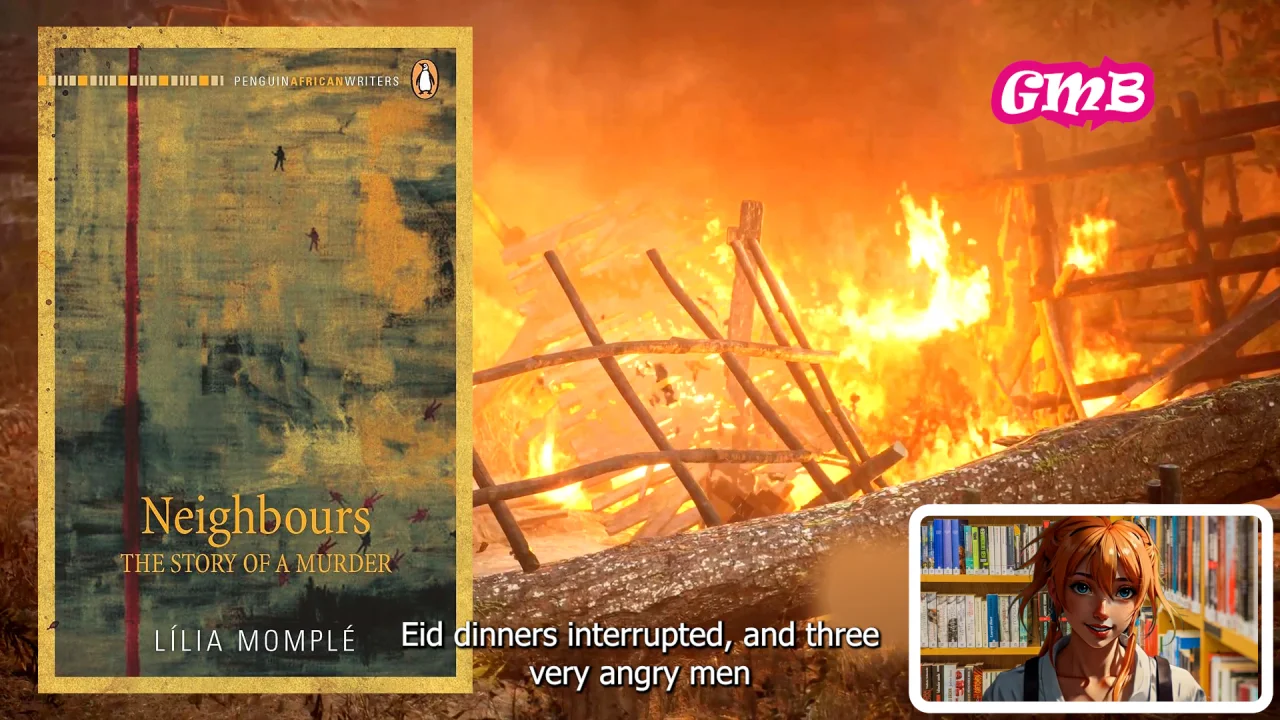
You ever wait for something gentle — the moon for Eid, a husband coming home, a quiet evening meal — and instead the night delivers violence?
That’s the feeling this book left me with.
I went in expecting historical fiction. Maybe something reflective. Measured. Instead, I found myself holding my breath as the clock ticked toward a murder I knew was coming… and somehow still wasn’t ready for.
There’s something especially cruel about stories that unfold over a single day. You watch ordinary people cook dinner, argue lightly, wait for loved ones — and you know history is about to step on them.
And they have no idea.
What Kind of Novel Is This?
Neighbours: The Story of a Murder by Lília Momplé is a political novella — but don’t let that word scare you.
This is a tense, intimate, slow-burning novel about how international power struggles crush ordinary lives.
Tone: Dark, restrained, quietly devastating
Pace: Slow but deliberate — hour by hour
Themes: Power, betrayal, sovereignty, revenge, disillusionment, innocence caught in conflict
This book is for readers who:
-
Appreciate historical fiction grounded in real political trauma
-
Want African literature beyond the usual English-speaking canon
-
Like short books that hit hard
This book is NOT for readers who:
-
Need action-packed, fast-paced thrillers
-
Prefer clear heroes and villains
-
Want neat, comforting resolutions
👉 The edition I read is available here:
Neighbours: The Story of a Murder on Amazon
Why This Story Matters (The Emotional Core)
This isn’t just a story about three men planning violence.
It’s about what happens when a nation is newly free… but not truly left alone.
Mozambique gained independence in 1975. But apartheid South Africa, threatened by its support for liberation movements, destabilized the country through RENAMO. Terror wasn’t random. It was strategic. Calculated. Political.
And Momplé doesn’t lecture you about this.
She shows you a street.
She shows you kitchens. Bedrooms. Conversations. Eid preparations.
And then she shows you what geopolitical manipulation does to people who are simply trying to live.
What stayed with me most wasn’t the murder itself. It was the motivation behind it — the twisted logic of men who feel betrayed, irrelevant, humiliated… and decide violence is the answer.
Oppression, the book reminds us, isn’t always loud. Sometimes it operates through neighbors. Through collaborators. Through resentment.
And that feels disturbingly relevant.
This story exists because small lives matter. Because history is not just treaties and speeches — it is also interrupted dinners.
A Glimpse of the Story (No Spoilers)
The novel unfolds over twenty-four hours in a Mozambican neighborhood.
Three disillusioned men — Romu, Zaliua, and Dupont — join forces with foreign-backed terrorists. Each carries his own bitterness. Each believes murder will restore something he lost: identity, power, dignity, money.
Meanwhile, across the street:
-
Narguiss prepares for Eid, waiting for the moon.
-
Leia and Januário care for their two-year-old daughter, Iris.
-
Families expect nothing more than an ordinary evening.
What follows is not a mystery.
It’s a collision.
A moral tragedy rooted in politics.
Who This Book Is Perfect For
You’ll enjoy this novel if:
-
You like books that make you uncomfortable in a thoughtful way
-
You appreciate tightly written fiction where every page matters
-
You read to understand history through human lives
You’ll especially appreciate it if you’re exploring Lusophone African literature or expanding beyond familiar names.
You might struggle with this book if:
-
You prefer fast-paced plots with twists every chapter
-
You need emotional distance from violence
-
You want long, sweeping narratives instead of concentrated impact
👉 If this sounds like your kind of book, you can get it here:
Buy Neighbours: The Story of a Murder here
My Honest Verdict
This isn’t a perfect novel — but it’s an honest one.
What worked:
-
The structure. Hour-by-hour storytelling builds unbearable tension.
-
The character depth. In just over 130 pages, everyone feels real.
-
The moral complexity. Even the perpetrators are disturbingly understandable.
What didn’t:
-
I genuinely wanted more. More pages. More aftermath.
-
The brevity, while powerful, left me lingering in unanswered emotional space.
But maybe that’s intentional.
Some violence doesn’t offer closure. Some wounds are sharp precisely because they’re not drawn out.
Momplé strips the story to its essentials — and that restraint is what gives it weight.
Final Thoughts & Recommendation
When I think back to the opening scene — waiting for the moon, waiting for celebration — I realize that’s what makes this story devastating.
Hope exists right up until the moment it doesn’t.
Neighbours: The Story of a Murder is for readers who believe literature should witness history. It’s for those curious about Mozambique’s post-independence trauma. It’s for anyone who understands that political violence is never abstract.
It always has an address.
If you’re exploring African literature — especially voices outside the Anglophone spotlight — Lília Momplé deserves your attention. She has also written No One Killed Suhara and The Eyes of the Green Cobra, and served as president of the Mozambique Writers’ Association. She writes from lived history.
And you can feel it.
👉 If you’d like to read the same edition I did, here’s the link:
Neighbours: The Story of a Murder on Amazon
Read boldly.