 English
 French
 German
 Russian
 中文
中文

The Two Days That Feel Like a Lifetime
There’s something strangely unsettling about finishing school.
Not the exams—the waiting. That quiet space where you’re no longer a student, but not yet anything else. I remember reading this book and thinking: why does this feel so familiar… and so uncomfortable at the same time?
Because nothing dramatic is happening.
And yet, everything is.
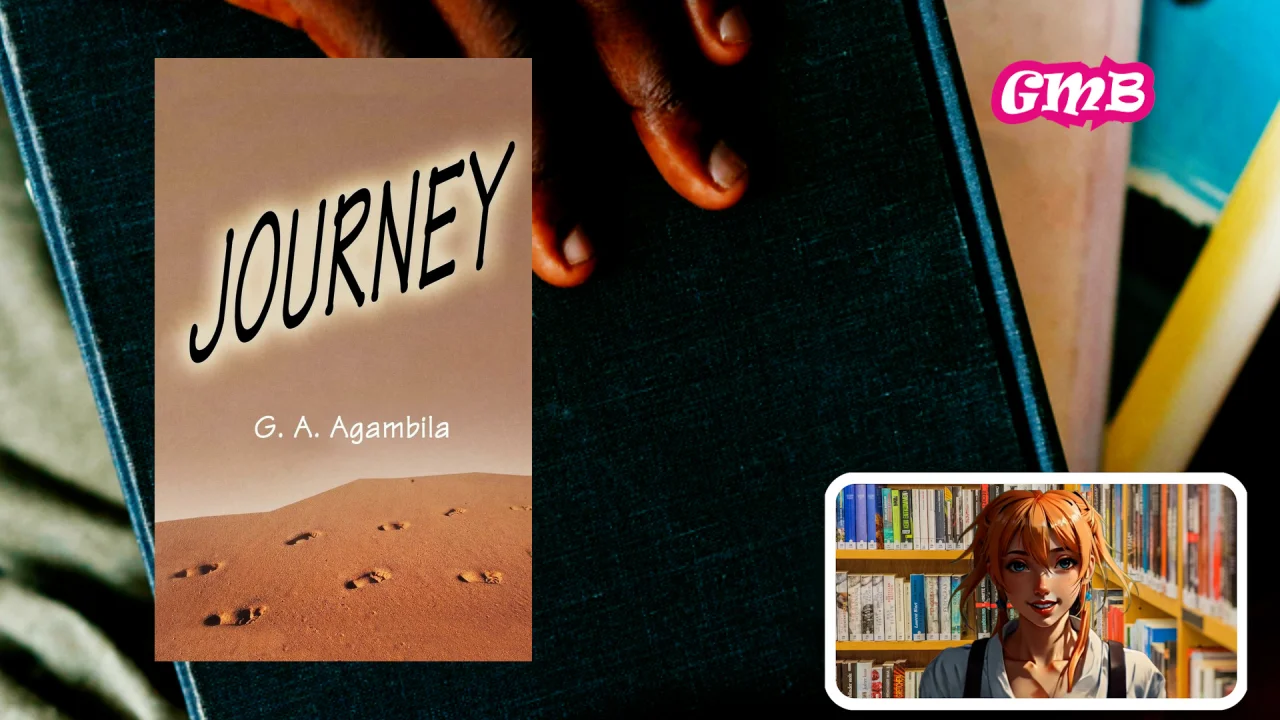
That’s exactly the feeling at the heart of Journey by G.A. Agambila—a novel that dares to slow down and sit inside that awkward, uncertain moment most of us try to rush past.
What Kind of Novel Is This?
This is a reflective coming-of-age novel about transition—between youth and adulthood, tradition and modernity, village and city.
Tone: Quiet, introspective, occasionally humorous
Pace: Slow—very slow
Themes: Identity, ambition, cultural tension, masculinity, migration
This book is for readers who:
-
Enjoy character-driven, introspective stories
-
Like novels that explore thoughts more than events
This book is NOT for readers who:
-
Need fast-paced plots and constant action
-
Prefer clear conflicts and dramatic payoffs
👉 The edition I read is available here:
https://amzn.to/4aH82bU
A Story That Barely Moves—But Says a Lot
At the center of the novel is Amoah, an 18-year-old Ghanaian student who has just finished his A’Level exams.
That alone might sound like a simple setup—but what follows isn’t a rush toward the future. Instead, it’s a pause.
Amoah has two days before heading home. Two days of freedom. And like many teenage boys standing at the edge of adulthood, he fills that time with wandering thoughts, half-baked plans, flirtations, and a quiet refusal to fully confront what comes next.
From campus, he drifts toward Tinga, where his sick grandfather represents the weight of tradition. Then onward—mentally and physically—toward Accra, where a more modern, independent life awaits under the guidance of an unconventional uncle.
There’s no big twist here. No explosive turning point.
Just movement. Slow, uncertain, deeply human movement.
Why This Story Matters
What stayed with me after finishing this book wasn’t the plot—because honestly, there isn’t much of one.
It was the feeling.
That strange, almost invisible tension between who you’ve been and who you’re supposed to become.
Amoah exists in that in-between space. And what makes the novel powerful—despite its flaws—is how honestly it captures that uncertainty. The overthinking. The distractions. The way young people sometimes avoid the future by getting lost in trivial things.
But beneath the teenage bravado and obsession with girls, there’s something deeper:
A quiet fear of responsibility.
A resistance to inherited expectations.
And a question the book never fully answers:
Can you ever truly leave where you come from—or does it follow you, quietly shaping every decision?
For many African readers, this hits close to home. The North-South divide in Ghana isn’t just geography—it’s opportunity, identity, and pressure rolled into one. And Amoah’s journey reflects a reality many have lived: leaving home not just to study, but to transform.
Even if that transformation feels painfully slow.
A Glimpse of the Story (No Spoilers)
A young man finishes school and stands at the edge of his future.
Between a traditional upbringing in northern Ghana and the promise of opportunity in Accra, he must navigate expectations—from family, culture, and himself.
But instead of rushing forward, he hesitates.
And in that hesitation lies the real conflict.
What Works—and What Doesn’t
Let’s be honest.
This isn’t an easy read.
The novel spends a huge amount of time inside just two days. And while that sounds interesting in theory, in practice it can feel stretched—like a short story trying very hard to be a novel.
At times, it genuinely feels like eating plain rice with no stew.
The first-person, present-tense narration adds to that intensity. It creates closeness, yes—but over 300+ pages, it can become exhausting. Amoah doesn’t just live his life—you live inside his head, constantly.
And sometimes, you just want silence.
But then—just when the book feels like it’s dragging—Agambila delivers moments of clarity. Philosophical reflections that cut through the noise and remind you why the story exists.
Those moments? They’re the reason to keep reading.
Who This Book Is Perfect For
You’ll enjoy this novel if:
-
You like books that explore identity and internal conflict
-
You enjoy slow, reflective storytelling
-
You read fiction to think, not just escape
You might struggle with this book if:
-
You prefer fast-paced, plot-heavy novels
-
You need strong external conflict
-
You dislike long internal monologues
👉 If this sounds like your kind of book, you can get it here:
https://amzn.to/4aH82bU
My Honest Verdict
This isn’t a perfect novel—but it’s an honest one.
What worked:
-
The authenticity of Amoah’s inner world
-
The cultural depth and Ghanaian context
-
The philosophical reflections scattered throughout
What didn’t:
-
The pacing—especially the overextended focus on trivial moments
-
The exhausting narrative style over such a long stretch
-
The lack of a strong narrative payoff
And yet… I still think it’s worth reading.
Because even in its imperfections, Journey captures something real—something many books rush past.
Final Thoughts & Recommendation
I started this book expecting movement.
Instead, I got stillness.
And while that frustrated me at times, it also forced me to sit with something we rarely acknowledge: the uncomfortable pause between stages of life. That moment where nothing seems to be happening—but everything is quietly shifting beneath the surface.
This book won’t entertain you in the traditional sense.
But if you’re willing to slow down, to sit with uncertainty, and to reflect on what it means to grow up between two worlds—it might stay with you longer than you expect.
👉 If you’d like to read the same edition I did, here’s the link:
https://amzn.to/4aH82bU
Similar Books You Might Like
-
Season of Migration to the North – for its exploration of identity and cultural tension
-
The Beautiful Ones Are Not Yet Born – for its introspective tone and social commentary
Best Format to Read This Book
Paperback.
This is not a book you rush through. The physical format somehow suits its slow, reflective nature—you can pause, reread passages, and sit with the ideas without feeling pressured to move quickly.