 English
 French
 German
 Russian
 中文
中文

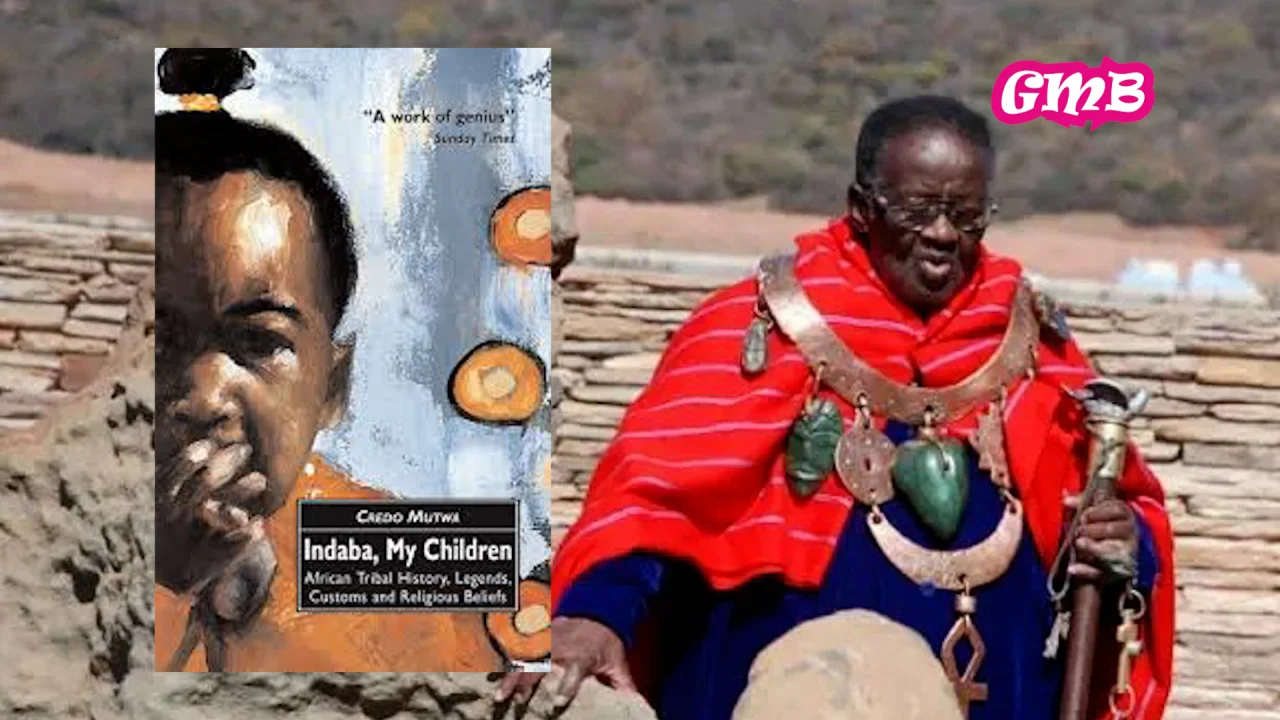
Rediscovering Africa: A Review of Indaba, My Children by Vusamazulu Credo Mutwa
You wake up, scroll through social media, and—bam—someone casually tells you your ancestors were “primitive,” “uncivilized,” or “waiting for Europeans to show up and teach them the ABCs.” Sound familiar? Most of us learned about the Mali, Songhai, and Ghana Empires in school, and then…a giant blank. Everything before European colonization feels like a void.
But what if I told you there’s a story that says: “Nah, Africa didn’t start when Vasco da Gama got lost on the coast”? A story that asserts Africans had thriving civilizations, technology, art, and even medicine long before Instagram made selfies a thing. Welcome to Indaba, My Children by Vusamazulu Credo Mutwa—a book that dares to reclaim the forgotten past of a continent.
What Kind of Book Is This?
Indaba, My Children is a mix of history, myth, and legend—a sweeping, poetic chronicle of African life before colonial influence.
-
Tone: Reflective, at times humorous, often awe-inspiring
-
Pace: Moderate, with long sections that immerse you in storytelling
-
Themes: Identity, migration, power, spirituality, the blending of myth and history
This book is for readers who:
-
Crave a fresh perspective on African history
-
Enjoy stories that blend myth, legend, and historical insight
-
Want to understand the roots of African culture beyond textbooks
It’s not for readers who:
-
Prefer fast-paced plots or linear narratives
-
Need clear-cut heroes and villains
-
Expect only verifiable historical facts
👉 The edition I read is available here: Indaba, My Children on Amazon
A Journey Through Time: What the Book Covers
From the very beginning, Mutwa’s book immerses you in a world where mountains, rivers, and trees have spirits, and ancestors actively guide human life. Creation stories unfold with familiar motifs—a creator, the struggle between good and evil—but with uniquely African perspectives, where nature itself commands respect.
The book follows the Bantu migrations from Central and Eastern Africa to the south. These were not aimless wanderers; they were carriers of stories, songs, knowledge, and technology. Mutwa emphasizes that African history was preserved through oral tradition, but that doesn’t mean Africans were illiterate. Message sticks, carved mats, and calabashes served as early forms of writing—think of them as “ancient WhatsApp.”
Civilizations flourished: epic battles were fought, early cities emerged, architecture evolved, and even brain surgeries were performed—ritualized, yes, but effective. Yet, with the rise of power-hungry rulers came “high laws” that stifled innovation, creating cultural freezes that hindered progress.
Mutwa also reexamines legendary figures like Shaka Zulu. While celebrated as a fearsome warrior, Mutwa presents a more nuanced picture, highlighting both his achievements and moral ambiguities. And when it comes to writing and language, the book traces fascinating connections across ethnic groups and even between African languages, Yiddish, and Latin—suggesting migrations and shared histories that challenge conventional narratives.
Analysis & Review: Why This Book Matters
What makes Indaba, My Children remarkable is how it blurs the line between myth and history. You laugh, marvel, and sometimes shake your head in disbelief—but the core truths resonate: Africans had complex societies, cultural innovations, and deep spiritual systems long before colonization.
Strengths:
-
Vivid, immersive storytelling that makes history feel alive
-
A bold, unapologetic challenge to Eurocentric narratives
-
Exploration of identity, power, and migration with spiritual depth
Weaknesses:
-
At times, the mythological elements can feel overwhelming
-
Dense sections may be challenging for readers expecting traditional history
For me, the biggest takeaway was the psychological power of knowing your history. Mutwa reminds us that understanding our ancestors as builders, thinkers, and innovators gives us a deeper sense of self. It’s not just a book about the past—it’s about reclaiming identity and pride.
About the Author: Vusamazulu Credo Mutwa
Born in 1921 in South Africa, Mutwa grew up navigating two worlds: the traditional Zulu culture of his family and the Christian missionary influence surrounding him. His early life was marked by hardship, illness, and discovery. Guided by his grandfather, he embraced his destiny as a sangoma—a healer, shaman, and storyteller.
During apartheid, Mutwa wrote Indaba, My Children to assert Africa’s rich, pre-colonial history, blending folklore, spiritual insight, and historical events into a narrative that challenges what we think we know. This is not just a book—it’s a journey into a collective memory that colonial narratives tried to erase.
Who Should Read This Book
You’ll love this book if you:
-
Want to see Africa through a lens beyond stereotypes
-
Enjoy a mix of myth, history, and storytelling
-
Read fiction or non-fiction to understand culture and identity
You might struggle if you:
-
Prefer linear historical accounts
-
Need only evidence-based narratives
-
Don’t enjoy long, poetic texts
👉 Grab your copy here: Indaba, My Children by Vusamazulu Credo Mutwa
Final Thoughts
Indaba, My Children is more than a history book—it’s an experience. Vusamazulu Credo Mutwa invites you to question the past you were taught and explore the vast, rich civilizations that existed long before colonial narratives tried to simplify or erase them.
Reading it is challenging, at times overwhelming, but ultimately empowering. It forces you to ask: “Who am I, really, beyond the pages of a textbook?” And when you finish, you’ll carry a sense of pride in your heritage—a reminder that Africans were builders, warriors, thinkers, and storytellers.
If you’re ready for a book that blends myth, history, and philosophy into a sweeping narrative of African greatness, Indaba, My Children is your next read.
👉 Explore the book here: Indaba, My Children on Amazon