 English
 French
 German
 Russian
 中文
中文

When Outsiders Arrive, Nothing Stays the Same
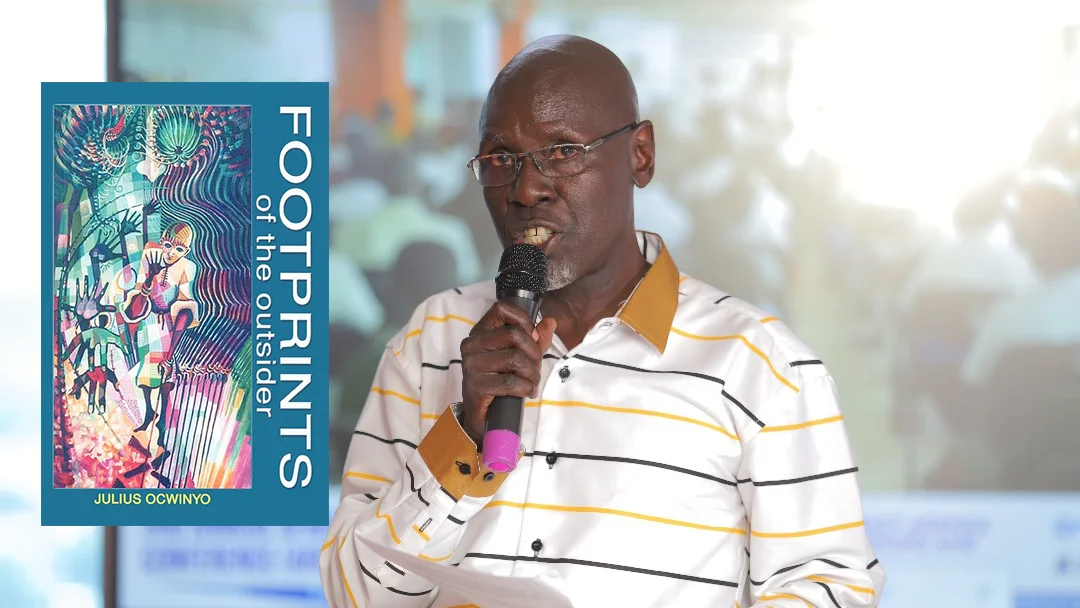
There’s a moment early in Footprints of the Outsider where you realize Teboke will never be the same again. Not because of war, not because of some grand revolution—but because two businessmen show up with a cotton ginnery and a plan. That’s all it takes. One quiet town, two outsiders, and suddenly everyone is asking the most dangerous question in politics and life: Who’s really in charge here?
Julius Ocwinyo doesn’t announce this shift with drama. He lets it creep in. The calm of Teboke dissolves slowly, almost politely, until resentment, inequality, and ambition are sitting at the same table, pretending everything is fine.
And at the center of it all stands Abdu Olwit—a man born into ridicule, raised in neglect, and shaped by a society that never quite decided what to do with him.
What Kind of Novel Is This?
This is a political and social realism novel about power, belonging, and the cost of being underestimated.
Tone: Reflective, ironic, quietly biting
Pace: Moderate, character-driven
Themes:
-
Outsiders and exclusion
-
Political corruption
-
Class and labor exploitation
-
Ambition vs. integrity
-
Tradition colliding with modern power structures
This book is for readers who:
-
Enjoy African political fiction grounded in everyday life
-
Like underdog stories that aren’t overly heroic
-
Appreciate social commentary wrapped in irony and restraint
This book is not for readers who:
-
Want fast-paced action or neat resolutions
-
Prefer clear heroes and obvious villains
👉 The edition I read is available here:
Footprints of the Outsider – Julius Ocwinyo (Paperback)
👉 Amazon link
Growing Up as a Punchline
Abdu Olwit doesn’t begin life with sympathy on his side. He’s born to Alicinora, a woman known less for maternal warmth and more for brewing local alcohol and living loudly in a judgmental community. His father? A rumor named Musa Wangolo. And in Teboke, rumors stick harder than truth.
From childhood, Abdu is mocked—not just by neighbors, but by his own mother. His early dreams of becoming a music, dance, and drama teacher are laughed off as impractical nonsense in a town that sees no value in art or imagination. Teboke respects cattle, land, and authority—not creativity.
So when Abdu finally listens to his uncle Adwongo, returns to school, and earns a degree in economics from Makerere University, it feels like a victory. A quiet one—but a victory nonetheless.
Or so he thinks.
Education Without Power Is Just Paper
Ocwinyo makes one thing painfully clear: education does not automatically translate into opportunity. Abdu graduates with credentials and ambition, only to land in a teaching job he despises. His attempts to seek help from his politically connected friend, Adoli Awali—the area Member of Parliament—lead nowhere.
The MP is busy. Busy doing nothing.
This is one of the novel’s sharpest insights: political access exists, but it’s selective. If you’re not useful, visible, or threatening, you’re invisible.
👉 If you enjoy politically charged African novels like this, you can find the book here:
👉 Amazon link
Power Shifts—and the System Pushes Back
Things begin to change when Abdu becomes superintendent at Alaro Prison Farm. For once, his competence matters. He marries Saida Achola—not purely out of romance, but through social pressure and financial calculations driven by her mother, Bitoroci. Even love, in Teboke, is transactional.
Then disaster strikes. A drought hits the area, and the people wait—for government aid, for leadership, for their MP.
Nothing comes.
Instead, Abdu steps in. Partnering with an NGO, he helps establish boreholes, bringing water to desperate communities. Overnight, he becomes visible. Respected. Dangerous.
The same MP who once ignored him now sees a rival.
And in classic political fashion, the system responds not with debate—but with false charges and prison bars.
Why This Story Matters
Footprints of the Outsider isn’t really about who wins an election. It’s about what happens when ordinary people become threats simply by doing the right thing.
What stayed with me long after finishing this novel was how familiar everything felt. The hollow politicians. The weaponization of institutions. The way development becomes political currency. The way communities celebrate you—until celebrating you becomes risky.
Ocwinyo refuses to give easy answers. The novel ends without closure, forcing the reader to sit with uncertainty. That choice feels intentional. Because in real life, power struggles don’t end cleanly—and justice rarely arrives on schedule.
A Glimpse of the Story (No Spoilers)
This is the story of:
-
A small Ugandan town disrupted by economic outsiders
-
A man who rises through service, not scheming
-
A political system that punishes competence when it threatens power
Nothing explodes. No one becomes a superhero. The tension lies in decisions, silence, and consequences.
My Honest Verdict
This isn’t a perfect novel—but it’s an honest one.
What worked:
-
Strong social realism
-
Nuanced political commentary
-
A believable, flawed protagonist
What didn’t:
-
Some readers may find the pacing restrained
-
The open ending may frustrate those who want resolution
And yet, I still recommend it—because stories like this don’t exist to comfort us. They exist to reflect us.
👉 If this sounds like your kind of book, you can find it here:
👉 Amazon link
Final Thoughts
Footprints of the Outsider is a quiet but powerful reminder that change often comes from people who never planned to be political. Abdu Olwit doesn’t chase power—it chases him. And when it does, it reveals just how fragile and hostile systems can be toward integrity.
Julius Ocwinyo captures Ugandan society with empathy, irony, and restraint. He doesn’t shout. He observes. And that makes the novel hit harder.
If you like fiction that makes you pause, rethink leadership, and question who really benefits from “development,” this book deserves a place on your shelf.
👉 If you’d like to read the same edition I did, here’s the link:
👉 Amazon link