 English
 French
 German
 Russian
 中文
中文

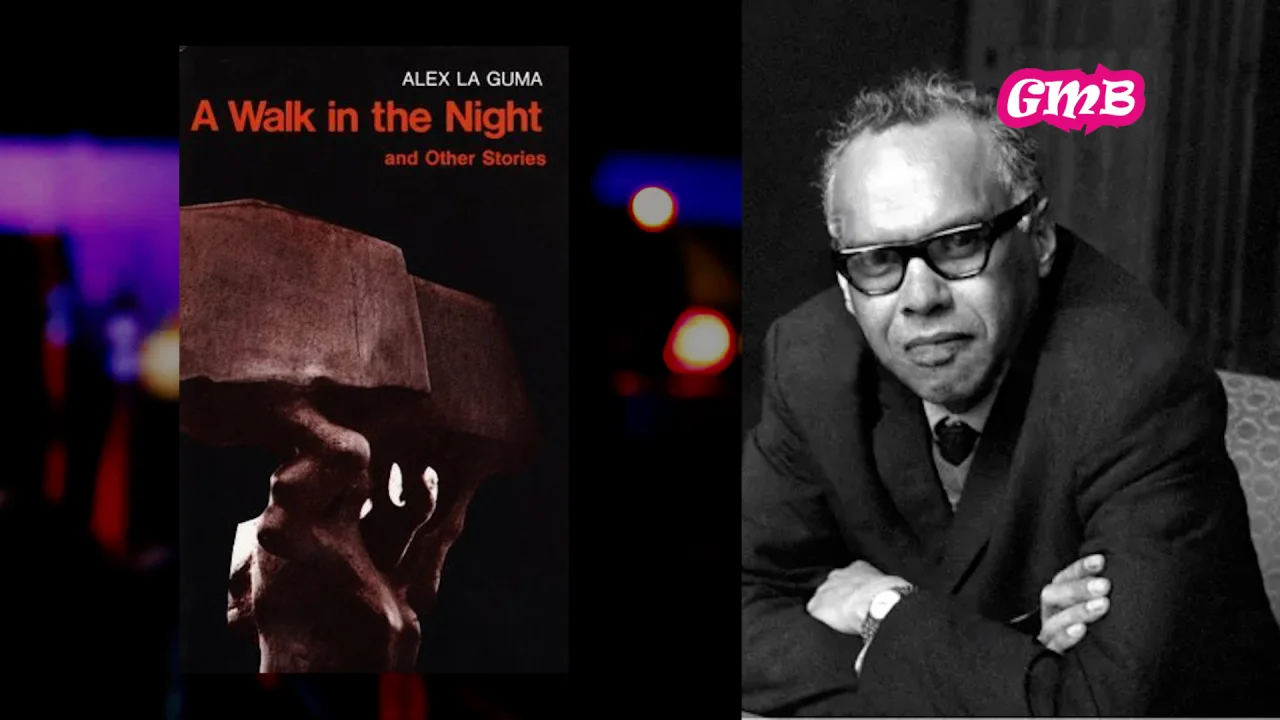
A Walk in the Night by Alex La Guma: A Haunting Journey Through Apartheid South Africa
When the Night Hits Hard
You know that saying, “When it rains, it pours?” Imagine it raining unemployment, police harassment, racism, murder, gang violence, and poverty—all in one night. That’s the world Alex La Guma throws us into in A Walk in the Night, a novella that doesn’t sugarcoat life under apartheid.
From the first pages, you’re pulled into the gritty, chaotic streets of a South African city, following men and women struggling to survive in a system designed to crush them. This isn’t a story that makes you feel good—it’s a story that forces you to see.
La Guma’s writing is raw, urgent, and intimate. He captures anger, fear, and despair in a way that feels immediate, almost like walking beside the characters yourself through a night that refuses to end peacefully.
👉 You can get your copy of A Walk in the Night here on Amazon.
The Story in a Glance
At the center is Michael “Mikey” Adonis, a man pushed to the edge by a world stacked against him. Fired from a factory job over something as basic as asking to use the toilet, Mikey’s rage simmers as he walks through a neighborhood teeming with gangs, poverty, and police harassment. Along the way, he encounters friends, strangers, and enemies, each interaction reflecting the tension and injustice of the society he inhabits.
A fateful encounter with his neighbor, Uncle Doughty, escalates into tragedy—an act of violence that sets off a chain reaction of fear, guilt, and relentless pursuit. Parallel stories of characters like Willieboy, Joe, and Franky Lorenzo paint a broader picture of life under apartheid, showing how oppression seeps into every corner of existence.
La Guma’s novella is a night-long journey into anger, desperation, and human frailty, where no one is fully innocent, and the system ensures that no one is truly safe.
Why This Story Matters
What makes A Walk in the Night unforgettable is its emotional core. La Guma doesn’t give us heroes or villains in a traditional sense. Instead, he shows ordinary people crushed under the weight of systemic oppression, exploring how that pressure warps decisions, relationships, and morality.
-
Mikey is bitter, humiliated, and angry—but not inherently evil. His violence is a violent eruption of everything apartheid has done to him.
-
Willieboy’s death reminds us how easily the system scapegoats innocent lives.
-
John Abrahams’s guilt underscores how oppression can turn communities against themselves.
-
Franky Lorenzo and Joe offer glimpses into the quiet, human struggles that continue even amid chaos.
La Guma weaves themes of racial injustice, the cycle of violence, poverty, and moral responsibility seamlessly. Every character’s action, even in minor scenes, reflects the relentless pressures of a society built on inequality.
Themes and Insights
-
Racial Injustice: Every page highlights apartheid’s cruelty and absurdity.
-
Cycle of Violence: Oppression breeds anger, which fuels further violence—an unbroken loop.
-
Poverty and Despair: From overcrowded apartments to homelessness, poverty is omnipresent.
-
Guilt and Responsibility: Characters wrestle with conscience and complicity, showing how moral weight extends beyond individual actions.
La Guma’s strength lies in his refusal to simplify or sanitize. The novella doesn’t just depict apartheid—it immerses you in its psychological and emotional toll.
About the Author
Alex La Guma (1925–1985) was a South African novelist and activist whose work remains central to anti-apartheid literature. A member of the South African Communist Party, he endured arrests, house arrest, and exile, but never stopped writing about the brutal realities of racial segregation.
Through his novels and short stories, La Guma blends literature with historical testimony, exposing the harshness of life under apartheid not through headlines, but through the lived experiences of ordinary people.
👉 Explore more of La Guma’s work here on Amazon.
Who Should Read This Book
You’ll connect deeply with A Walk in the Night if you:
-
Appreciate stories that confront social injustice head-on.
-
Enjoy gritty, reflective fiction that explores human psychology under pressure.
-
Read to think, not just escape.
You might struggle with it if you:
-
Prefer fast-paced, plot-driven novels with clear heroes and villains.
-
Avoid confronting uncomfortable social realities.
-
Need a tidy, uplifting ending.
Final Thoughts
A Walk in the Night isn’t comfortable, and it shouldn’t be. It’s a mirror held up to a society built on injustice, showing how systems break people long before the law does. Mikey, Willieboy, Joe, and all the other characters live in a world where tragedy is inevitable, where guilt and fear shadow every decision.
This novella is a short but powerful read—a testament to La Guma’s skill as both storyteller and social commentator. It’s essential for anyone interested in African literature, social justice, or the human capacity to survive and fail under oppression.
👉 Grab your copy of A Walk in the Night here on Amazon.
If you like unflinching stories that confront the dark corners of history and human behavior, A Walk in the Night will stay with you long after the final page. It’s a walk you won’t forget.