 English
 French
 German
 Russian
 中文
中文

When Africa’s “Fathers” Meet… and No One Knows What They’re Doing
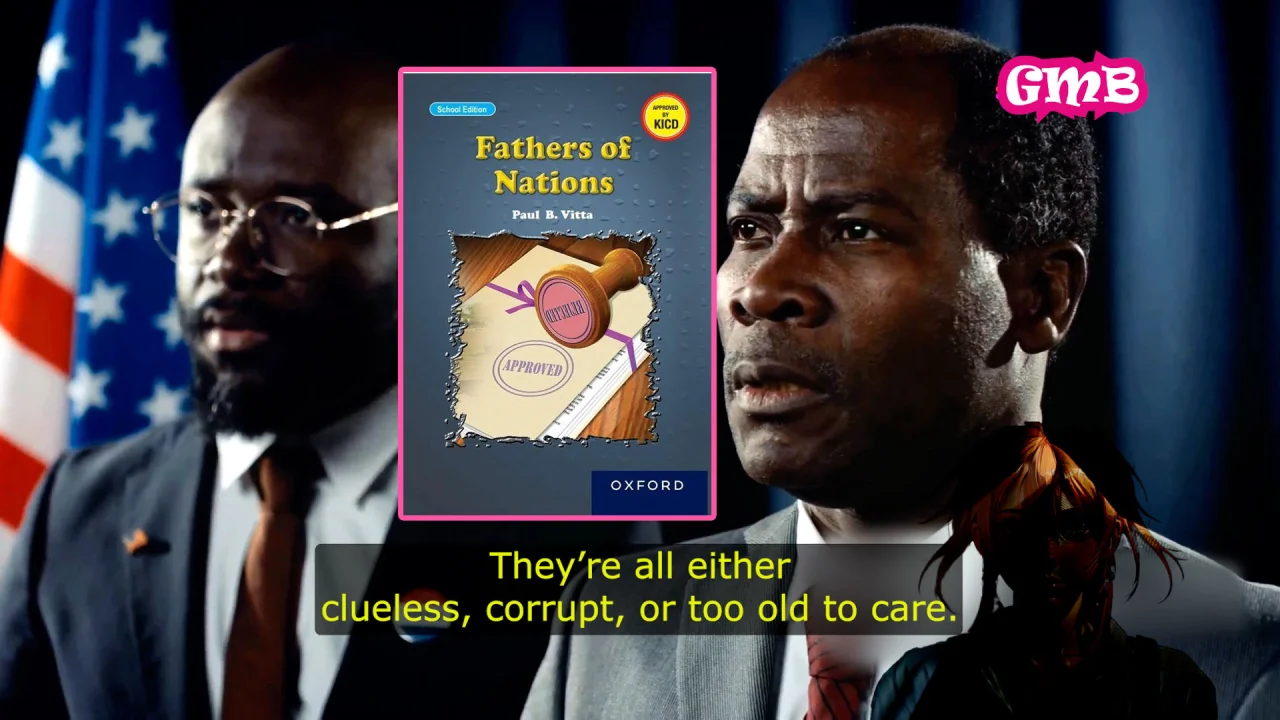
There’s a moment in Fathers of Nations where fifty African heads of state are gathered in one luxury hotel, staring at documents that are supposed to determine the future of an entire continent — and somehow, no one understands what they’re reading.
That moment made me laugh.
Then it made me uncomfortable.
Then it stayed with me long after I closed the book.
Paul B. Vitta’s Fathers of Nations is one of those novels that hides its teeth behind humor. You think you’re about to enjoy a light political satire — and suddenly, you realize the joke is on all of us.
What Kind of Novel Is Fathers of Nations?
This is a political satire about power, leadership, and the tragic comedy of governance.
Tone: Humorous, ironic, quietly bitter
Pace: Moderate, dialogue-driven
Mood: Funny on the surface, unsettling underneath
Themes:
-
Corruption and political stagnation
-
Leadership versus self-preservation
-
Idealism crushed by bureaucracy
-
The cost of bad governance on ordinary lives
This book is for readers who:
-
Enjoy political satire with substance
-
Like African literature that confronts leadership honestly
-
Appreciate humor that reveals uncomfortable truths
This book is not for readers who:
-
Want fast action and explosions
-
Prefer clear heroes and villains
-
Dislike satire that hits close to home
A Summit That Should Save Africa (But Doesn’t)
The novel is set almost entirely inside the Pinnacle Hotel in Banjul, Gambia, where fifty African presidents — the so-called “Fathers of Nations” — have gathered to decide the continent’s future.
Two documents dominate the summit:
-
Way Omega – a grand, expert-written development plan filled with impressive language and very little clarity
-
Path Alpha – a more radical, people-centered alternative that promises real change
Way Omega is safe.
Path Alpha is dangerous — not because it won’t work, but because it might.
And that’s where the problem begins.
The leaders argue.
They posture.
They protect their power.
Some barely stay awake during debates.
At one point, the future of millions is almost reduced to a coin flip — a moment so absurd it feels exaggerated… until you remember real life.
The Four Men Who Refuse to Stay Silent
Against this backdrop of incompetence and decay, the novel introduces four outsiders — men who have been personally destroyed by the systems these leaders control.
-
Professor Kimani, whose marriage collapses under political betrayal
-
Comrade Melusi, a survivor of state-sponsored violence
-
Pastor Chiamaka, imprisoned for speaking uncomfortable truths
-
Engineer Tahir, a brilliant mind ignored by mediocre men in power
These characters aren’t saints.
They’re tired. Bitter. Angry. Still hopeful.
They arrive at the summit not to negotiate power — but to force accountability.
Their push for Path Alpha becomes the moral heartbeat of the novel.
Why This Story Matters (And Why It Hurts)
Fathers of Nations isn’t really about a summit, or documents, or hotel meetings.
It’s about what happens when leadership becomes a career instead of a responsibility.
The title itself is deeply ironic.
When we think of real “fathers of nations” — figures like Julius Nyerere, Kwame Nkrumah, and Jomo Kenyatta — we think of sacrifice, vision, and courage. Men who imagined futures bigger than themselves.
Vitta’s leaders, by contrast, are exhausted caretakers of their own privilege. They fear change more than failure. Development is optional — power is not.
The novel asks a question it never fully answers:
What happens to a continent when those entrusted to lead it are more afraid of losing control than losing their people?
That question is why this book lingers.
A Glimpse of the Story (No Spoilers)
This is a novel about:
-
A political gathering meant to reshape Africa
-
Leaders who don’t understand the systems they defend
-
Ordinary men daring to confront extraordinary power
There are no dramatic revolutions here.
Just conversations, debates, egos — and the quiet violence of delay.
My Honest Verdict
This isn’t a perfect novel.
Some characters feel exaggerated.
Some satire borders on absurdity.
But that exaggeration is deliberate — because reality often is.
What Fathers of Nations does exceptionally well is clarity. It strips leadership of its slogans and exposes the fear, selfishness, and emptiness underneath.
It made me laugh.
Then it made me angry.
Then it made me think.
And books that do all three are rare.
Final Thoughts
Fathers of Nations is for readers who believe fiction should challenge, not just entertain.
It’s for readers tired of recycled political promises.
For readers who understand that satire is often the most honest form of storytelling.
For readers who want African literature that speaks plainly about power — without shouting.
You may finish this novel smiling.
But you won’t finish it unchanged.
And maybe — just maybe — you’ll never look at a political summit the same way again.